

Ethan Brooks
Focused on sustainable practices, careful seed selection, and hands-on experience, our family work closely with nature to produce quality harvests while continuously learning and improving each year..
Latest Posts


Archive
Tags
Social Links
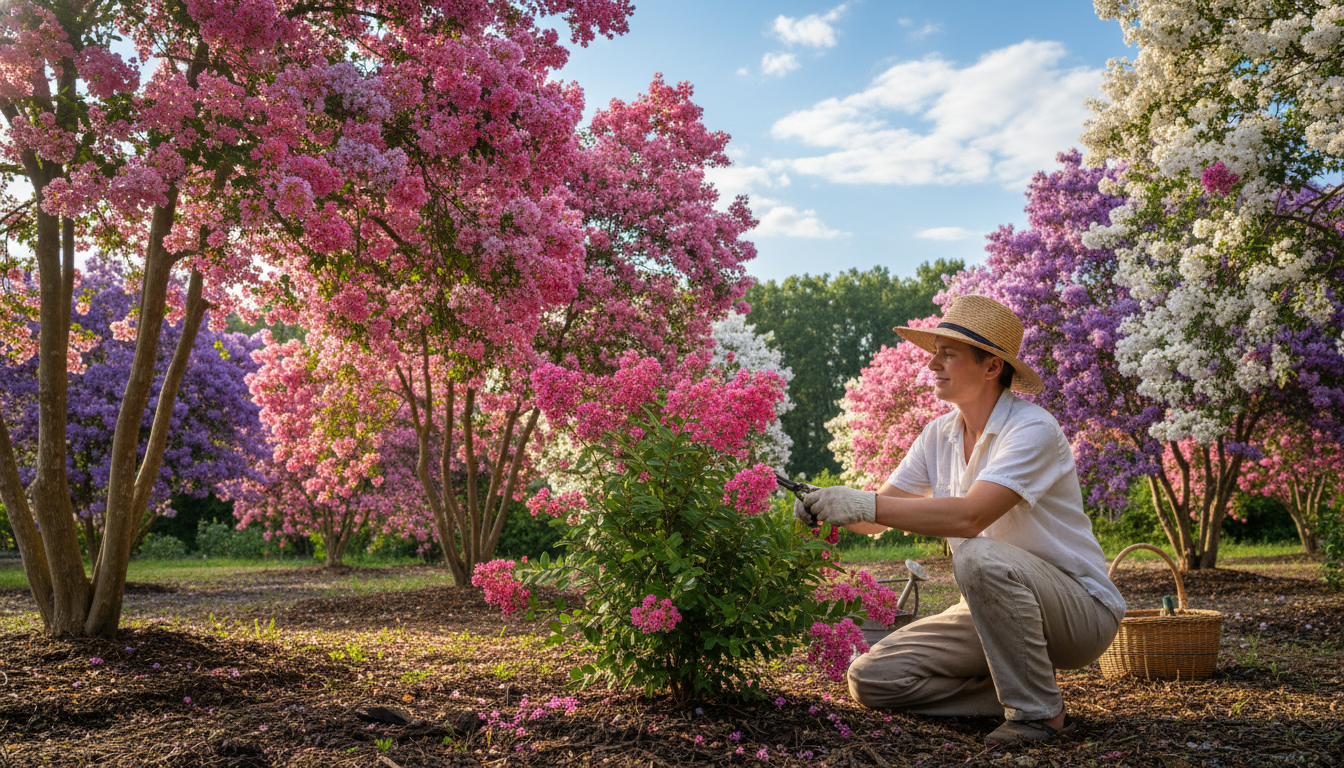

Welcome to the vibrant world of crepe myrtles, where beauty meets resilience. These stunning plants have captivated Southern gardeners for centuries, and for good reason. With their dazzling summer blooms and striking fall foliage, they are more than just a seasonal delight; they are a long-term investment in your garden.
In this guide, I will share essential tips for achieving thriving myrtles in your landscape. You’ll learn about their basic needs, from sunlight to soil, ensuring you choose the right variety for your space. Once established, these trees are low-maintenance, making them perfect for both novice and experienced gardeners.
Join me as we explore everything from planting techniques to pest management, setting you on the path to a flourishing garden filled with healthy myrtles that bloom year after year.
Key Takeaways
- Crepe myrtles thrive in USDA Hardiness Zones 6 to 9.
- They offer year-round appeal with summer blooms and fall colors.
- Understanding their basic needs is crucial for success.
- These plants are low-maintenance once established.
- Choosing the right variety enhances your landscape.
Introduction to Crepe Myrtle: A Southern Garden Favorite
Discover the captivating allure of these vibrant plants that define Southern gardens. Crepe myrtles belong to the genus Lagerstroemia, which includes about fifty species of flowering shrubs and small trees native to China. Introduced to Charleston by André Michaux in 1786, these plants quickly became synonymous with Southern gardening. The name “crepe” reflects the crinkly texture of the flowers, reminiscent of crepe paper.
These stunning blooms appear in panicles ranging from 6 to over 15 inches long, showcasing colors from true reds to vibrant pinks, purples, and whites. From July through September, myrtles put on a breathtaking display that few other flowering trees can match during the hottest months.
Overview and History
I’ll take you back to 1786 when André Michaux first brought these myrtles to Charleston. Their popularity has grown immensely over the centuries, becoming a staple in Southern landscapes. This historical connection adds depth to their appeal, making them not just beautiful but also culturally significant.
Year-Round Appeal and Benefits
These myrtles offer year-round charm. In summer, their crinkly flowers bloom vibrantly, while in fall, the foliage transforms into a stunning tapestry of reds, oranges, and yellows. The exfoliating bark reveals smooth, mottled trunks in winter, creating a living art gallery in your garden.
With growth habits ranging from compact 2-foot shrubs to majestic 30-foot trees, myrtles provide flexibility for any landscape design. They are remarkably heat tolerant and drought resistant once established, making them ideal for Southern gardens. Their deer-resistant nature helps maintain a pristine appearance throughout the year.
As spring arrives, fresh foliage emerges, creating a lush green canopy that sets the stage for the spectacular floral display to come. The leaves of many varieties turn brilliant shades in autumn, rivaling any maple or oak in color. Understanding the history and natural beauty of these myrtles highlights the importance of proper care and planting for preserving their magnificent form.
| Season | Key Features |
|---|---|
| Summer | Breathtaking blooms in vibrant colors |
| Fall | Transformative foliage with rich colors |
| Winter | Exfoliating bark reveals smooth trunks |
| Spring | Fresh foliage emerges, setting the stage for blooms |
Choosing the Right Location and Soil for Crepe Myrtle
Finding an ideal place for your myrtles ensures vibrant blooms and healthy growth. The right location and soil conditions are essential for these stunning plants to thrive. Let’s dive into the specifics of what makes a perfect spot for your myrtles.
Sunlight Requirements: Full Sun for Vibrant Blooms
Full sun is absolutely non-negotiable for myrtles. They require a minimum of six hours of direct sunlight daily. This is the single most important factor in achieving those vibrant, cloud-like blooms you dream of.
Planting in a shady spot is the number one reason gardeners contact me about their myrtles failing to flower. Assess your landscape for the sunniest location possible. Evaluate different spots in your garden throughout the day. Sunlight patterns change with the seasons, so consider southern and western exposures for the best conditions.
Soil Type and pH Preferences
While myrtles are adaptable, they thrive in well-draining soil with a slightly acidic pH between 5.5 and 6.5. Before planting, test your soil and amend it if necessary. If your soil becomes too alkaline (above 6.5), you may notice yellowing leaves.
To lower the pH naturally, consider adding garden sulfur or used coffee grounds. Remember, soggy, poorly drained soil can harm these drought-tolerant plants. Check drainage before you put roots in the ground.
Spacing and Placement Considerations
When planting, think about the mature size of your chosen variety. Avoid the heartbreak of planting a tree that will eventually interfere with power lines, sidewalks, or your home’s foundation. For example, a 25-foot tree planted under power lines will cause future problems.
Choosing the right spot from the start saves you years of frustrating pruning and compromised growth. Giving your myrtle the right location and soil from day one sets the foundation for decades of healthy growth and spectacular blooms with minimal intervention.
When and How to Plant Crepe Myrtle
Understanding the best times for planting can set your myrtles up for success. In USDA Zones 7 to 10, the ideal planting times are in fall or early spring. During these periods, the plants are dormant, allowing them to establish strong roots without the stress of summer heat.
If you find yourself drawn to a blooming myrtle in the summer, don’t worry! You can still plant it successfully. Just commit to consistent, deep watering during those critical first weeks while the roots establish.
Best Planting Times: Fall and Early Spring
Fall is the perfect time for planting myrtles, as the cooler temperatures help them adapt. Early spring is also a great option, allowing the plants to settle in before the heat of summer. Both times give your newly planted myrtle the best possible start.
Step-by-Step Planting Guide
Let’s walk through the steps to plant your myrtle:
- Start by giving your potted myrtle a thorough drink before removing it from the container. This reduces transplant shock.
- Dig a hole as deep as the root ball but three times as wide, shaped like a shallow bowl. This encourages roots to spread outward.
- Inspect the root ball for any circling or girdling roots. Score the outer edges to stimulate healthy new root growth.
- Position your plant so that the old soil line matches the new ground level.
- Backfill with the same soil you removed. Research shows that adding organic amendments can trap roots in the planting hole.
- Create a temporary soil ring around the planting area to help water infiltrate.
- Apply 1-2 inches of acid mulch, like pine bark or oak leaves, in a donut shape around the trunk to conserve moisture.
Container Planting and Care
If you have limited space or live in a colder climate, consider container planting. Choose dwarf varieties and use a planter that is at least 18-24 inches in diameter with excellent drainage. This ensures that your myrtle has enough room to grow.
During winter, bring container myrtles indoors to protect them from freezing temperatures. With the right care, your myrtles will thrive and bring beauty to your garden for years to come.

| Planting Time | Key Benefits |
|---|---|
| Fall | Cooler temperatures allow for root establishment |
| Early Spring | Settles in before summer heat |
| Summer | Requires consistent watering |
Watering and Fertilizing for Optimal Growth
Proper watering and fertilizing are crucial for the health of your plants. Understanding the right techniques will ensure your myrtles thrive throughout the seasons. Let’s explore the best practices for watering and fertilizing these beautiful trees.
Watering Schedule for New and Established Plants
During the first two years, it’s essential to water newly planted myrtles deeply and regularly. Aim for once a week, or increase to twice weekly during extreme heat. This consistent watering helps develop a robust root system that supports healthy growth.
Once established, myrtles become remarkably drought-tolerant. At this stage, watering about once every other week is usually sufficient. However, always check the soil moisture levels. You can do this by feeling the soil a few inches below the surface. This method ensures you water based on actual needs rather than a strict schedule.
Fertilizer Types and Timing
In the first growing season, apply a slow-release liquid fertilizer monthly from spring through summer. This provides the nutrients your young myrtle needs for vigorous growth. After the first year, the fertilizing needs change. A single application of a balanced granular fertilizer in early spring is all that’s required for the entire year.
For sandy or poor soil, consider feeding newly planted myrtles a water-soluble fertilizer for acid-loving plants every two weeks during the summer. This helps them thrive in less-than-ideal conditions.
Be cautious with fertilization. Over-fertilizing can lead to excessive foliage growth at the expense of flowers. It can also weaken your plant over time. Stick to the recommended application rates based on your fertilizer type.
| Fertilizing Schedule | Type of Fertilizer | Application Rate |
|---|---|---|
| First Growing Season | Slow-release liquid fertilizer | Monthly |
| After First Year | Balanced granular fertilizer (e.g., 8-8-8 or 10-10-10) | 1 lb per 100 sq ft |
| For Sandy Soil | Water-soluble fertilizer for acid-loving plants | Every two weeks in summer |
In summary, proper watering and fertilizing work together to support optimal growth. Consistency in care during the establishment period pays off with decades of low-maintenance beauty. By following these guidelines, your myrtles will flourish and enhance your landscape for years to come.
How to Grow Crepe Myrtle Successfully: Care Tips for Healthy Plants
Achieving vibrant blooms starts with effective care techniques for your myrtles. These stunning plants thrive with the right attention, especially when it comes to pruning and maintenance. Let’s explore how to preserve their natural beauty while ensuring healthy growth.
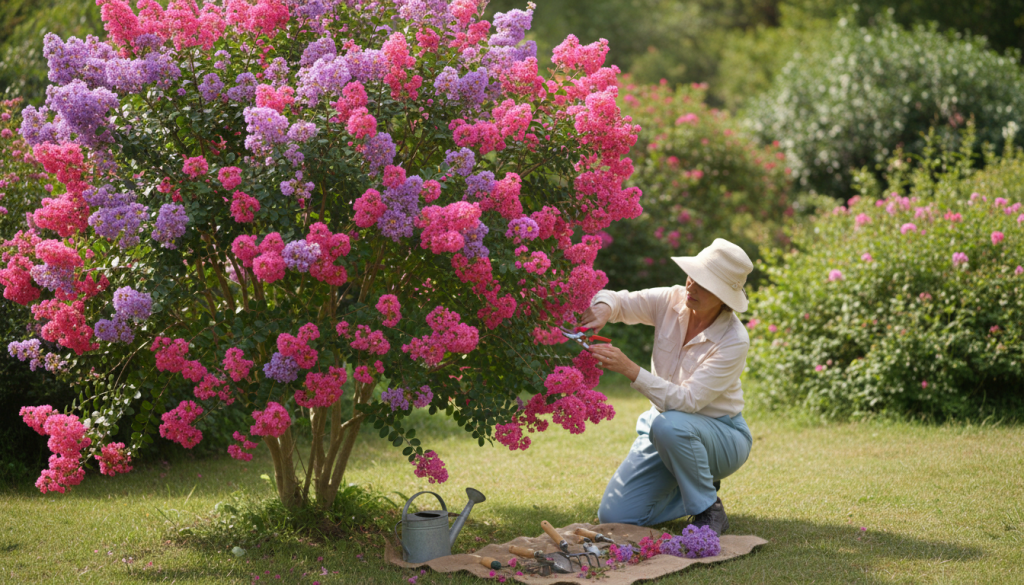
Many gardeners misunderstand the role of pruning. The practice of “crepe murder”—aggressively cutting trees back to stubs—can ruin the natural form of these beautiful plants. Instead, I advocate for gentle pruning techniques that maintain the sculptural beauty of myrtles.
Pruning Techniques to Preserve Natural Form
Pruning should occur in late winter while the tree is dormant. This timing allows you to prepare for the new growth that will emerge in spring. When pruning, focus on:
- Selecting 3 to 5 strong trunks for tree forms.
- Removing low-hanging branches below 4-5 feet to reveal the stunning bark.
- Trimming dead, weak, or crossing branches to improve air circulation.
By following these guidelines, you’ll help your myrtle maintain its natural form and beauty.
Removing Suckers and Dead Growth
Suckers are vigorous shoots that sprout from the base of the tree. They can rob energy from the main plant and create a messy appearance. Removing suckers is essential for maintaining the health of your myrtle.
Additionally, snipping off dead growth and spent flower clusters can promote new blooms. This practice encourages a second flush of flowers, often seen in September. Removing seedpods can also lighten branch weight and stimulate reblooming.
Encouraging Flowering and New Growth
Remember, myrtles bloom on new growth from the current season. To encourage this, focus on:
- Pruning to stimulate healthy, vigorous shoots.
- Removing spent flowers to promote additional blooms.
- Ensuring proper care to maintain plant health throughout the year.
With thoughtful pruning and care, your myrtle will flourish, rewarding you with spectacular blooms for years to come.
| Pruning Activity | Timing | Purpose |
|---|---|---|
| Gentle pruning | Late winter | Preserve natural form |
| Remove suckers | As needed | Redirect energy to main plant |
| Snip spent flowers | After blooming | Encourage new growth |
| Trim dead branches | Anytime | Improve air circulation |
Managing Common Pests and Diseases
Keeping your myrtles healthy means being aware of potential pests and diseases. These beautiful plants can sometimes face challenges, but with the right knowledge, you can protect them effectively. Let’s dive into some common issues and how to manage them.
Identifying and Controlling Powdery Mildew
Powdery mildew is a widespread issue for many gardeners. This fungal disease typically appears in late spring and fall, thriving in warm days, cool nights, and high humidity. You can identify it by the white, powdery coating on leaves, young shoots, and flower buds.
Not only does this mildew distort new growth, but it can also prevent flower buds from opening. For treatment, I recommend using organic options like neem oil or horticultural oils. In severe cases, consider applying fungicides. However, prevention is best achieved by choosing resistant cultivars, such as ‘Acoma’, ‘Hopi’, and ‘Natchez’.
Aphids and Sooty Mold Management
Aphids are tiny sap-sucking insects that can lead to another issue: sooty mold. This dark coating on leaves and stems is caused by a fungus that grows on honeydew excreted by aphids. While sooty mold is usually cosmetic, it can block sunlight and affect photosynthesis.
To manage aphids, I suggest using insecticidal soap sprays before infestations become severe. Natural predators like ladybugs can also help control aphid populations. By managing aphids, you can effectively eliminate the sooty mold problem without additional treatments.
Leaf Spot and Root Rot Prevention
Cercospora leaf spot is another concern. It manifests as dark brown spots on lower leaves, which can lead to yellowing and premature leaf drop, especially during wet, humid weather. To minimize this issue, select disease-resistant varieties when possible.
Root rot is often caused by poorly drained soil or overwatering. Myrtles prefer drier conditions, so ensure you plant them in well-draining locations. Monitoring soil moisture is crucial; avoid excessive watering to keep roots healthy.
By regularly checking your plants and taking preventive measures, you can maintain their health and beauty. Remember, the best strategy for disease prevention is choosing resistant cultivars and ensuring proper siting and spacing. For more detailed information on managing pests and diseases, check out this resource.
| Pest/Disease | Symptoms | Management |
|---|---|---|
| Powdery Mildew | White, powdery coating on leaves | Use neem oil or fungicides; select resistant cultivars |
| Aphids | Small insects on leaves; honeydew causing sooty mold | Insecticidal soap; encourage natural predators |
| Cercospora Leaf Spot | Dark brown spots on lower leaves | Select disease-resistant varieties |
| Root Rot | Wilting and yellowing foliage | Avoid overwatering; ensure well-drained soil |
Can Using the Right Fertilizer Help My Crepe Myrtle Grow Better?
Using the right fertilizer can significantly enhance the growth of your crepe myrtle. By nourishing the soil with essential nutrients, you create an ideal environment for healthy blooms. To achieve optimal results, incorporating the best methods for crepe myrtle care will ensure your plant thrives throughout the seasons.
Popular Varieties and How to Choose the Right Crepe Myrtle
Let’s explore the fascinating range of crepe myrtle varieties that can enhance your garden. These plants come in various sizes and colors, making it easy to find the perfect fit for your landscape. Whether you prefer a small shrub or a towering tree, there’s a myrtle for every space.
When selecting the right variety, consider the mature size, color, and seasonal features. Each type has unique characteristics that can add beauty and interest to your garden throughout the year.
Dwarf, Semi-Dwarf, and Tree Forms
Crepe myrtles range from charming dwarf shrubs to majestic trees. Dwarf varieties like ‘Chickasaw’ reach just 2 feet tall and are perfect for containers. The ‘Dazzle’ series, including ‘Berry Dazzle’ and ‘Cherry Dazzle’, offer vibrant blooms at 3-4 feet.
Semi-dwarf options such as ‘Acoma’ and ‘Zuni’ provide a balance between size and beauty, reaching heights of 6-12 feet. For those looking for tree forms, ‘Natchez’ can grow up to 30 feet, showcasing exceptional bark and beautiful white flowers.
Cold-Hardy and Disease-Resistant Cultivars
For gardeners in colder regions, cold-hardy varieties like ‘Acoma’ and ‘Hopi’ are excellent choices. These myrtles withstand harsh winters while still delivering stunning blooms in summer. Additionally, disease-resistant cultivars from the U.S. National Arboretum, such as ‘Tonto’ and ‘Natchez’, help reduce maintenance issues.
Colors and Seasonal Features
The color palette of crepe myrtles is impressive. From the deep red of ‘Dynamite’ to the dramatic dark foliage of the ‘Black Diamond’ series, there’s a shade for every taste. Each variety offers seasonal features, from summer blooms to vibrant fall foliage.
When choosing, consider not just the flowers but also the bark and leaves. The exfoliating bark of varieties like ‘Tuscarora’ adds winter interest, while colorful leaves can brighten up your garden in the fall.
| Variety Type | Height | Key Features |
|---|---|---|
| Dwarf | 2-4 feet | Ideal for containers; vibrant blooms |
| Semi-Dwarf | 6-12 feet | Mildew-resistant; versatile |
| Tree | 15-30 feet | Exceptional bark; large canopy |
| Cold-Hardy | 6-10 feet | Withstands colder winters; beautiful blooms |
Conclusion
As we conclude our exploration of these remarkable plants, it’s clear that myrtles hold a special place in Southern gardens. Their low-maintenance nature and stunning summer flowers make them a joy for any gardener. With the right care, these trees can thrive for years, offering vibrant blooms and beautiful foliage throughout the seasons.
Remember, success with these plants comes down to a few simple principles: full sun, well-draining soil, and consistent watering during establishment. Choosing the right variety for your space is essential, as a properly sized myrtle will flourish with minimal intervention.
Celebrate the year-round beauty these plants bring, from their vibrant summer blooms to the fiery colors of fall and the sculptural bark in winter. Embrace the journey of gardening, and enjoy the discoveries that come with nurturing these stunning trees.
By spreading the word about proper care, we can help end the practice of “crepe murder” and inspire others to appreciate the natural beauty of myrtles. With the knowledge you’ve gained, you’re ready to create a thriving landscape filled with these Southern treasures.