

Ethan Brooks
Focused on sustainable practices, careful seed selection, and hands-on experience, our family work closely with nature to produce quality harvests while continuously learning and improving each year..
Latest Posts


Archive
Tags
Social Links
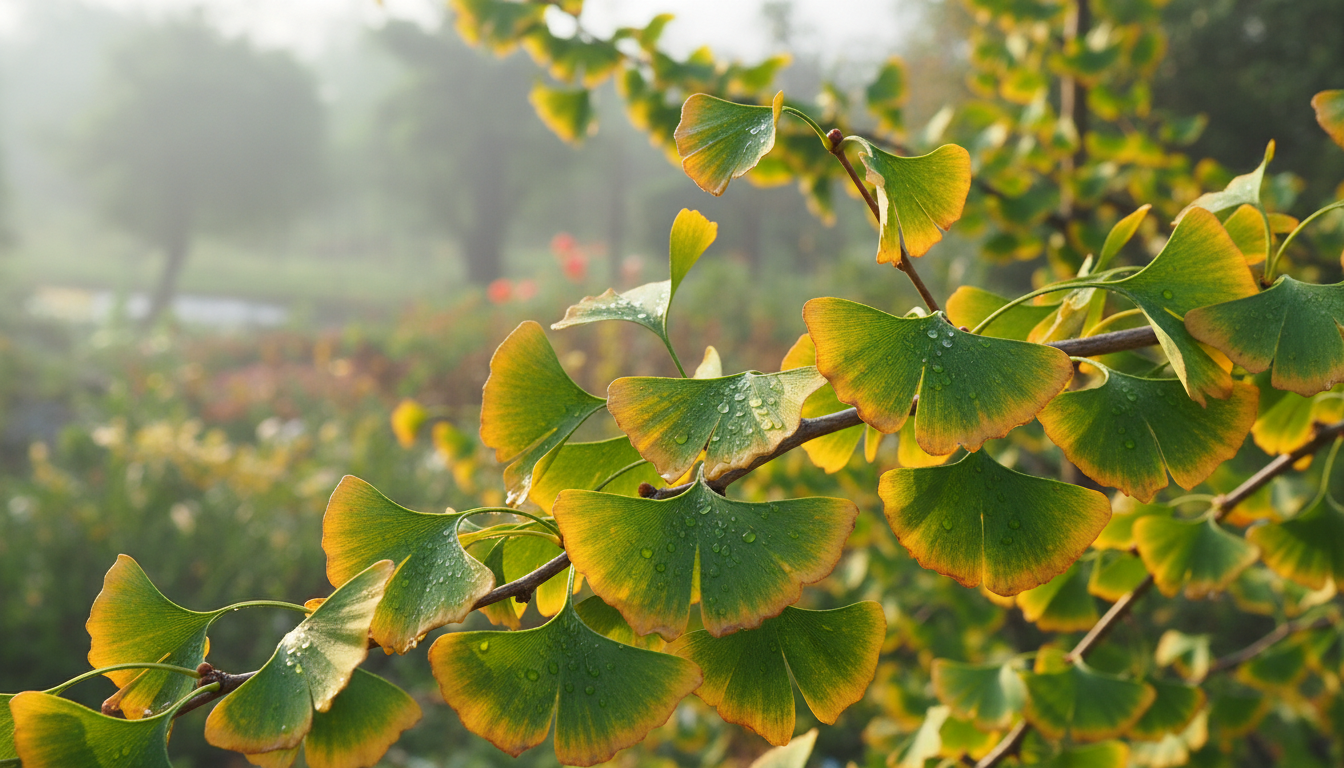

Welcome to the fascinating world of ginkgo biloba, a tree that has captured the hearts of gardeners for generations. With its stunning fan-shaped leaves and vibrant fall color, this tree offers a unique beauty that transforms any landscape.
In this guide, I will share essential tips on successfully cultivating this remarkable tree, even if you are just starting out. Ginkgo trees are known for their resilience and adaptability, thriving in conditions that may challenge other plants.
Whether you have a spacious yard or a compact urban garden, there’s a perfect variety for you. My goal is to help you plant and nurture a ginkgo tree that will become a cherished part of your landscape for years to come.
Introduction to Ginkgo Biloba and Its Unique Characteristics
Explore the fascinating features of the ginkgo biloba tree, a true marvel of nature. This remarkable tree has been around for over 270 million years, earning its title as a living fossil. It has survived countless changes on Earth, even providing shade for dinosaurs.
The species name “biloba” refers to its distinct fan-shaped leaves, which are easily recognizable. These leaves have a unique two-lobed form that adds character to any landscape. I find it intriguing that no other plants are genetically similar to the ginkgo tree, making it a special specimen for gardens.
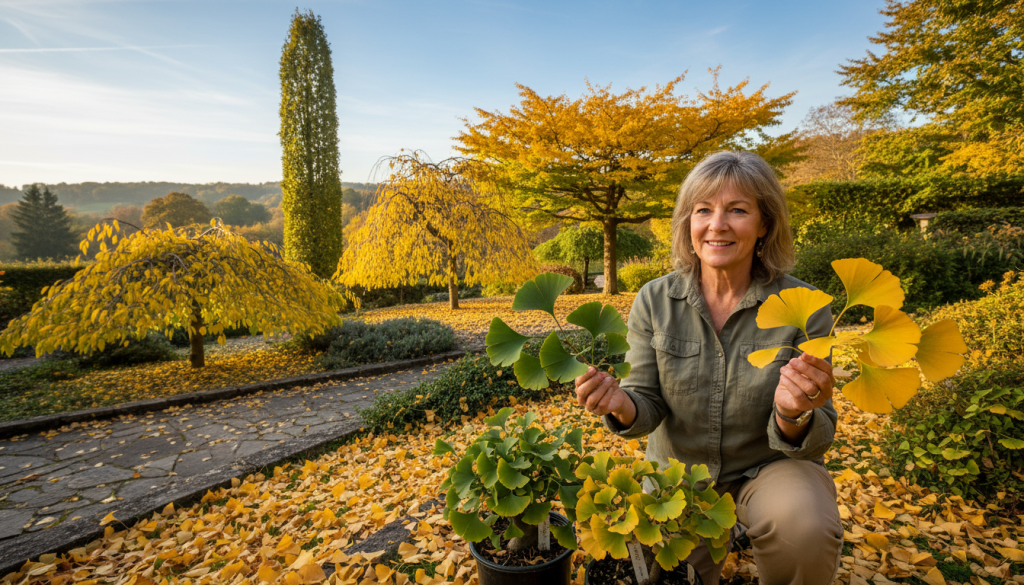
Ginkgo biloba trees exhibit a pyramidal shape and have long petioles that help their leaves catch the wind. This design creates a beautiful swaying motion on breezy days. As autumn approaches, the leaves turn a stunning shade of gold, falling dramatically all at once—a sight I never tire of.
When considering planting, it’s essential to understand the differences between male and female trees. Female ginkgo trees produce fruit with a foul odor, which can create a mess in your garden. I always recommend selecting grafted male cultivars, such as Princeton Sentry or Autumn Gold, to avoid these issues.
Interestingly, the reproduction cycle of female trees is quite slow. It can take 20 to 25 years for flowers to appear on a female plant, making it a long wait for those hoping to grow their own seeds. Mature ginkgo trees can reach heights of 50 to 80 feet and widths of 30 to 40 feet, so planning for their size is crucial from the beginning.
In conclusion, the ginkgo’s leaf morphology has remained largely unchanged for millions of years, connecting us to the Earth’s ancient past. This unique tree is not just a plant; it’s a living testament to resilience and beauty.
Choosing the Right Ginkgo Biloba Cultivar for Your Garden
Selecting the right cultivar of ginkgo can make all the difference in your garden. With various options available, each cultivar brings unique growth habits and characteristics. Understanding these differences will help you choose the best fit for your landscape.
Popular Cultivars: Autumn Gold, Princeton Sentry, Sky Tower, and More
I’ve discovered that certain cultivars stand out for their beauty and practicality. Here are some of my favorites:
- Autumn Gold: This reliable male cultivar showcases stunning fall color without the mess of fruit, making it a top choice for home gardens.
- Princeton Sentry: Known for its narrow, upright form, this cultivar works beautifully as a street tree or in tighter spaces.
- Sky Tower: This cultivar features a strongly columnar habit, turning into a glowing exclamation point of golden foliage in the fall.
- Fairmont and Fastigiata: Both offer unique forms that add sculptural interest to any garden design.
- Troll Ginkgo: A smaller option perfect for courtyards or large containers, making it ideal for limited spaces.
Dwarf vs Standard Varieties: Which is Best for Your Space?
When considering the right variety, think about your available space. Dwarf cultivars like ‘Mariken’ (8-10 feet tall) and ‘Chi Chi’ (15-20 feet tall) are excellent for smaller gardens. In contrast, standard ginkgo specimens can reach heights of 50 to 80 feet and widths of 30 to 40 feet.
Matching the cultivar to your space is essential for long-term success. I appreciate that modern grafted cultivars ensure you get a male tree every time, eliminating the risk of a female ginkgo with its smelly fruit.
In urban settings, ginkgo trees shine as street trees. Their deep roots won’t lift pavement, and they tolerate compacted soils and air pollution with ease. With so many options available, you can find the perfect ginkgo biloba cultivar to enhance your garden.
Preparing the Ideal Growing Conditions: Soil, Sun, and Climate
Creating the perfect environment for your ginkgo tree is crucial for its success. While these trees are remarkably adaptable, certain conditions will help them thrive. Let’s dive into the essentials: soil requirements, climate suitability, and sun exposure.
Soil Requirements and pH Preferences
I’ve learned that ginkgo trees demand good drainage to prevent root problems. While they tolerate various soil textures, ensuring that the soil is well-drained is essential. The ideal soil pH for ginkgo is between 5 and 5.5, which promotes optimal nutrient uptake.
When preparing a planting site, I always check the soil conditions. Avoiding wet soils is crucial, as standing water can seriously harm a ginkgo tree. With the right soil setup, you can expect a healthy tree that flourishes for years.
USDA Hardiness Zones and Climate Suitability
I’m always impressed by how ginkgo trees thrive across a wide range of USDA hardiness zones, from the chilly winters of zone 3 to the mild climate of zone 9. This adaptability makes them suitable for various regions in the United States.
Ginkgo trees are drought-tolerant once established and can handle heat and air pollution. Their resilience makes them an excellent choice for urban settings, where conditions can be challenging.
Sun Exposure: Full Sun to Partial Shade
For the best fall color and overall vigor, I recommend giving your ginkgo full sun exposure. However, they can tolerate partial shade if necessary. I’ve noticed that trees planted in full sun develop stronger branching habits and more intense golden leaf color compared to those grown in shadier conditions.
Taking the time to prepare ideal growing conditions before planting sets the foundation for a ginkgo tree that will flourish for decades with minimal intervention. For more detailed care tips, check out this guide on how to care for a ginkgo.
How to Grow Ginkgo Biloba: Planting Step-by-Step
Planting a ginkgo tree is an exciting journey that begins with the right steps. The process requires careful attention to detail to ensure your new tree thrives in its new home. Let’s explore the essential steps for planting your ginkgo biloba successfully.
Unpacking and Soaking Your New Ginkgo Tree
I always start the planting process by carefully unpacking my new ginkgo tree. I give it some fresh air in a shady spot to help it recover from shipping stress. This step is vital to prepare the tree for planting.
Next, I soak the root system under water until air bubbles stop rising. This ensures the roots are fully hydrated before going into the ground, promoting healthy growth.
Digging the Perfect Planting Hole
While my tree is soaking, I dig the planting hole. I make it twice as wide as the root ball but no deeper. This encourages lateral root growth and prevents the tree from settling too low.
Using a root booster product like Nature Hills Root Booster at planting time is something I highly recommend. It establishes lifelong symbiotic support, helping the ginkgo absorb water and nutrients more efficiently.
Planting, Backfilling, and Mulching Tips
Before removing the tree from its container, I decide which direction it will face. This ensures the best side of the ginkgo is oriented toward my home or primary viewing area.
After tapping the tree out of its nursery pot, I settle it gently into the hole. I make sure the root flare sits slightly above the surrounding soil grade. Firmly backfilling the soil around the roots is essential. I press down to eliminate air pockets that could dry out the roots and stunt the tree’s early growth.
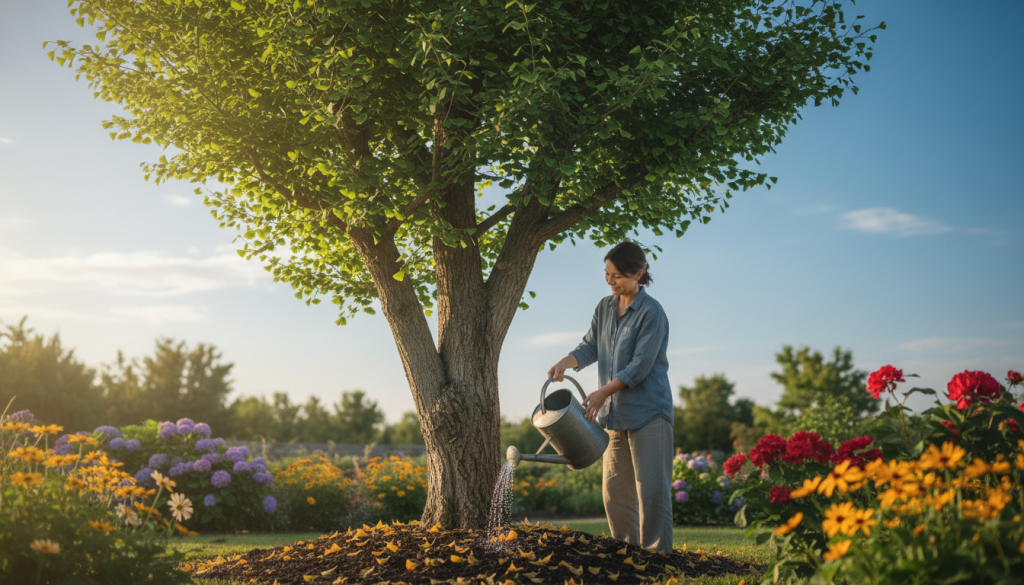
Once backfilled, I saturate the ground thoroughly. This settles the soil and provides the initial water that young ginkgo roots need to establish themselves. Finally, I spread a 3 to 4-inch layer of mulch over the root zone, extending it out about 3 feet from the trunk but pulling it back so it doesn’t touch the bark directly.
Initial Watering and Root Support Strategies
For the first year, I maintain consistent soil moisture. This is crucial for the tree’s health as it settles into its new location. Additionally, I apply a slow-release fertilizer in spring to support steady, healthy growth.
| Step | Description |
|---|---|
| Unpacking | Carefully unpack the tree and place it in a shady spot. |
| Soaking | Soak the roots until air bubbles stop rising. |
| Digging | Dig a hole twice as wide as the root ball. |
| Planting | Place the tree in the hole, ensuring the root flare is above soil grade. |
| Backfilling | Firmly backfill soil around the roots to eliminate air pockets. |
| Watering | Saturate the ground thoroughly after planting. |
| Mulching | Spread a 3-4 inch layer of mulch around the base. |
Caring for Your Ginkgo Tree: Watering, Pruning, and Maintenance
Caring for a ginkgo tree is a rewarding experience that brings joy to any gardener. These trees are known for their resilience, making them relatively easy to maintain. With just a few key practices, you can ensure your ginkgo thrives for years.
During the first year, I keep the soil consistently moist to help the roots establish. Once my ginkgo trees are settled in, they become remarkably drought-tolerant and need little supplemental water. I appreciate that these trees thrive with minimal pruning. I only reach for my pruners in late winter or early spring to remove any broken or crossing limbs.
Watering Guidelines for Establishing and Mature Trees
For young ginkgo trees, maintaining regular moisture is crucial. I find that a well-watered tree establishes a strong root system. After the first year, my trees handle drought with ease, needing less water as they mature.
Pruning Recommendations and Timing
The natural pyramidal shape and growth habit of most ginkgo cultivars mean I rarely need to intervene for aesthetic reasons. I let the tree express its beautiful form on its own. However, I make sure to remove any broken limbs to maintain its health.
Managing Pests, Diseases, and Potential Plant Problems
I’ve noticed that ginkgo biloba is blissfully resistant to most pests and diseases. Still, I always wear gloves when handling the plant because it may cause contact dermatitis in sensitive individuals. Maintaining mulched beds of arborist bark chips around my trees helps conserve soil moisture and regulate temperature.
When I consider the long-term care of these trees, I’m amazed that specimens can live for over 1,800 years with proper conditions. Ginkgo trees flourish in urban conditions where other plants struggle, thanks to their tolerance of heat, air pollution, and even moderate salt exposure.
The fall cleanup is wonderfully easy because ginkgo leaves drop all at once. I only need to rake once a year to enjoy that golden carpet of color. For gardeners growing different ginkgo varieties, I recommend the same low-maintenance approach across all cultivars, as these ancient trees are naturally robust and self-sufficient.
Managing Size and Growth: Can You Keep a Ginkgo Tree Small?
Managing the size of a ginkgo tree can be a common concern for many gardeners. These trees are naturally large specimens, typically reaching heights of 50 to 80 feet at maturity. This makes it challenging to keep them small in the long term.
Their vigorous growth habit means that even with regular pruning in late winter, ginkgo trees will push back toward their natural size. For those of us with limited space, it’s crucial to choose the right cultivars.
Natural Growth Patterns of Ginkgo Trees
Understanding the natural growth patterns of ginkgo trees is essential. Their height can reach up to 80 feet, with a spread of 30 to 40 feet. This expansive growth can overwhelm smaller landscapes if not planned for appropriately.
Using Pruning and Cultivar Selection to Control Size
While pruning can help manage size temporarily, I recommend selecting dwarf cultivars for smaller spaces. Here are some great options:
- ‘Mariken’: This cultivar stays a manageable 8 to 10 feet tall.
- ‘Chi Chi’: Reaches just 15 to 20 feet, making it ideal for limited areas.
- Troll Ginkgo: A fun choice for courtyards or large containers.
- Sky Tower: This narrow variety fits perfectly into tight spaces while offering stunning fall color.
Best Practices for Smaller Spaces and Containers
When planning for smaller landscapes, consider the ultimate height and width of your chosen cultivar. I’ve learned that planting a dwarf ginkgo variety in zones 3 through 8 with adequate spacing is far more successful than trying to restrict a standard specimen through aggressive pruning.
Additionally, male cultivars are preferable for small spaces. They avoid the mess and odor associated with female trees and their fruit. For urban settings, columnar ginkgo forms make excellent street trees that won’t outgrow their allotted space.
In conclusion, the key to managing ginkgo size is matching the right cultivar to your space from the start. This allows the tree to express its natural form without constant intervention, ensuring a beautiful addition to your landscape.
Conclusion
As we wrap up this journey, I hope you’re inspired to embrace the beauty of ginkgo trees. These ancient specimens have survived for over 270 million years, captivating us with their stunning fan-shaped leaves and vibrant fall color.
I’ve shared tips on selecting the right cultivar, whether you prefer the golden autumn gold variety or a compact dwarf specimen. The planting process is straightforward, from soaking roots to mulching for moisture retention.
Remember, ginkgo trees are low-maintenance once established. They thrive with well-drained soil, full sun to partial shade, and minimal pruning. For those with limited space, dwarf varieties offer the same beauty without the towering height.
Consider planting a ginkgo as a living memorial or a symbol of new beginnings. Their leaves will dazzle you each autumn, creating a golden carpet that brings joy year after year. Take the next step and bring a ginkgo biloba into your landscape—you’re planting a legacy that will thrive for generations.