

Ethan Brooks
Focused on sustainable practices, careful seed selection, and hands-on experience, our family work closely with nature to produce quality harvests while continuously learning and improving each year..
Latest Posts


Archive
Tags
Social Links
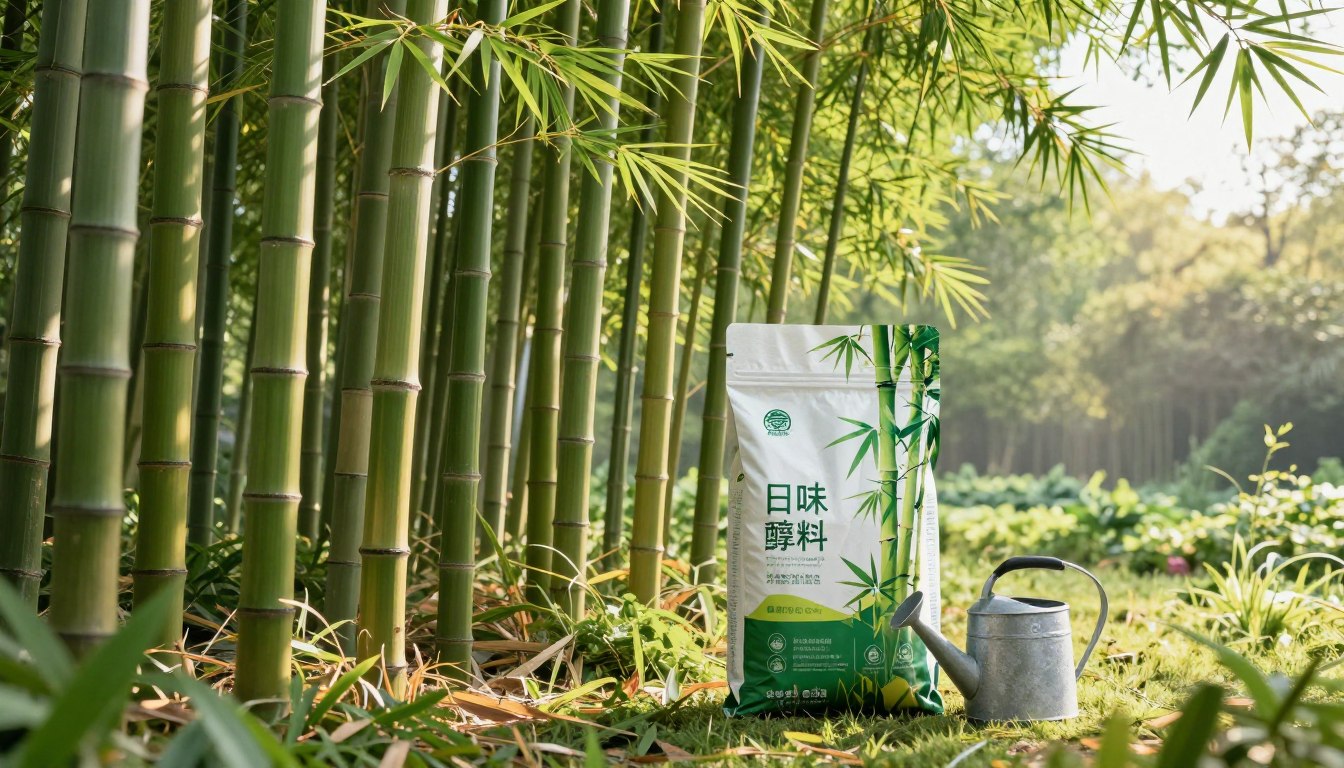

I found the Best Fertilizer for Bamboo that helps my bamboo reach tall, lush growth without guesswork.
In my garden I learned quick that healthy bamboo needs the right nutrients, steady moisture, and good soil. I check soil texture and drainage first, then give balanced feeding in spring and summer.
Giving timely nitrogen, compost, and regular water helped my plants set strong roots and bright leaves. Whether in the ground or a container, matching types of feeding to the season saves time and keeps bamboo plants healthy year-round.
Read on to learn the easy way I feed, water, and protect bamboo so it grows well through winter and summer.
Key Takeaways
- Use balanced nutrients and compost to support rapid growth.
- Check soil and drainage before planting or potting.
- Provide steady moisture and targeted nitrogen in spring.
- Protect roots with good feeding and watering in the first weeks.
- Adjust care by season to keep leaves green and plants strong.
Understanding the Nutritional Needs of Bamboo
My bamboo taught me that steady nutrition shapes strong, upright canes. Good care starts with knowing what the soil lacks and giving targeted nutrients at the right time.
The Role of Nitrogen
Nitrogen is the engine behind rapid growth. I learned that bamboo is a heavy feeder and needs regular nitrogen to push new shoots and keep leaves vivid.
Like turf grass, bamboo responds quickly to a steady supply. When I test my garden soil, I check nitrogen levels first to plan feeding.
Importance of Silicon for Culm Strength
Silicon builds tougher leaves and stronger culms. I avoid raking away fallen leaves because they return silicon to the soil naturally.
- I use organic options and compost to support soil life and nutrient cycling.
- Balanced nutrients keep bamboo plants resilient to drought and pests.
- For practical tips on feeding, I consult a guide on feeding bamboo.
Selecting the Best Fertilizer for Bamboo
A carefully chosen feeding plan changed how my bamboo responds to spring growth and summer stress. I lean toward a nitrogen-heavy NPK because it matches the needs of fast-growing turf grass and pushes strong new shoots.
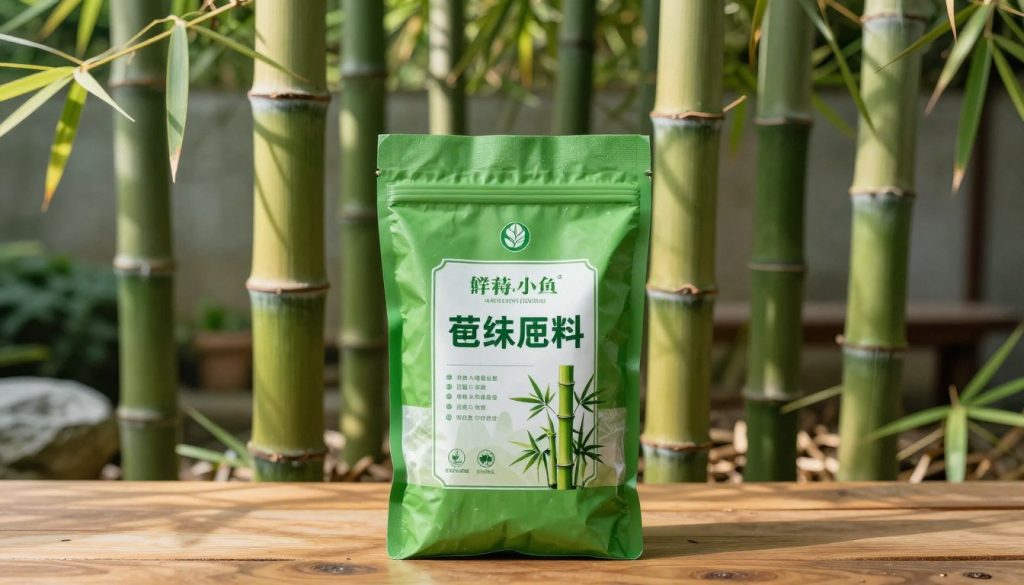
I prefer organic, slow-release options like Plantura Lawn Feed 10.5kg. It covers about 250m2 and gives a steady supply of nutrients over time. Slow release helps me avoid salt buildup and nutrient runoff in my garden.
At planting I always mix compost into the soil to build structure and micro life. Different types of plants respond best to steady nitrogen and potassium, so I match feeding to the species and the season.
| Product | Coverage | Release |
|---|---|---|
| Plantura Lawn Feed 10.5kg | 250m2 | Slow-release organic |
| Nitrogen-heavy NPK | Variable | Fast-acting |
| Compost | Site dependent | Long-term soil build |
- I set a simple feeding schedule to support spring shoots.
- I avoid over-fertilizing by choosing slow-release fertilizers.
Timing Your Feeding Schedule for Optimal Growth
I map feeding dates to the season so new culms get what they need when they need it. Proper timing protects shoots and helps the soil store moisture through hot spells.
Spring Planting Tips
At planting I apply 100 g/m² of fertilizer to give young plants a steady start during the growing season. I also work compost into the topsoil to boost structure and nutrient retention.
Mid-Season Maintenance
Through summer I feed at 4-week intervals with 40–60 g/m². I prefer a high nitrogen mix in spring and mid-season to push vigorous growth.
I check soil conditions regularly and water when needed to prevent leaf curling. A layer of bark mulch in the garden area helps hold moisture between watering weeks.
Preparing for Winter Dormancy
I stop feeding by the end of August so new culms can harden before winter. Each year I add compost and adjust care by season to keep bamboo healthy into the cold months.
Managing Bamboo in Containers and Pots
A pot changes how bamboo breathes, drinks, and roots compared with plants in the ground.
Container bamboo relies on limited soil and needs extra attention to moisture, nutrients, and insulation.
Watering and Drainage Considerations
Drainage is critical: I always use pots with holes and add a coarse layer at the base to stop water pooling and root rot.
In summer I water deeply, often 1–2 gallons per session, so the soil holds steady moisture without staying soggy.
I use Sugi Bamboo Planters because they offer good insulation and can contain bamboo for up to ten years before repotting.
Container plants face colder root zones than those in the ground. A bamboo hardy to 0°F outdoors can suffer at 10°F in a pot, so I protect roots in winter.
For feeding, I recommend an NPK 20-5-10 applied three times during the growing season to support height and iron needs.
Each year I check roots for being root-bound, refresh potting soil with compost, and adjust care so the plant will grow well.
Can the Right Fertilizer Help My Bamboo Grow Better in My Garden?
Choosing the right fertilizer can significantly enhance bamboo growth in your garden. Nutrient-rich options promote lush foliage and robust culms. Incorporate organic fertilizers for sustainable results. For additional guidance, consider following some easy tips for bamboo gardening to ensure your plants thrive throughout the growing season.
Natural Soil Amendments and Home Remedies
Small home remedies taught me that soil care matters more than frequent feeding. I use simple ingredients to boost soil and help bamboo grow well without chemical mixes.
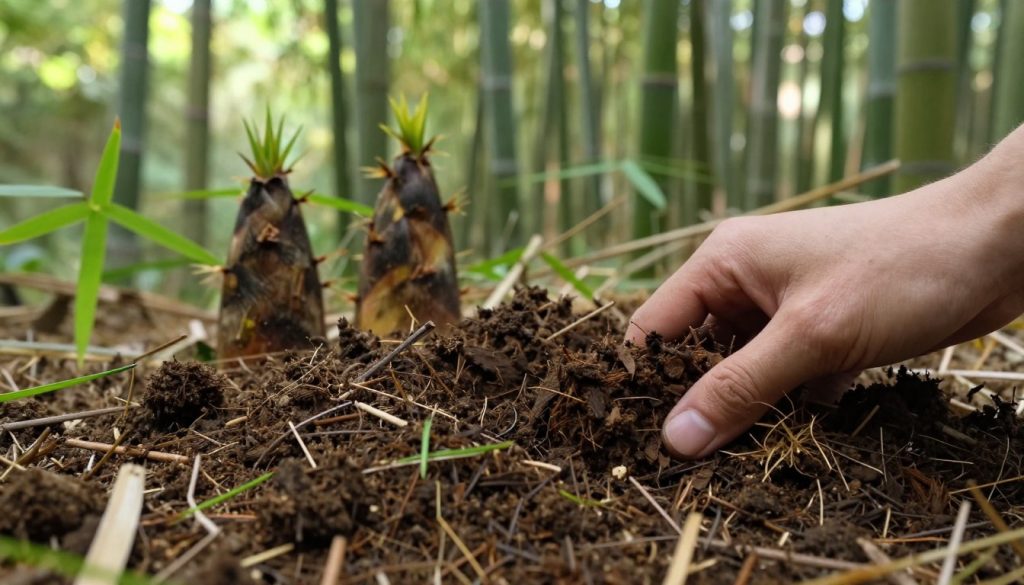
I add coffee grounds near the root zone for a gentle boost of nitrogen. I often mix those grounds with bone meal to give a slow-release source of phosphorus and calcium.
Crushed eggshells balance pH and return calcium to the ground. A thin layer of mulch around the base keeps water in and cuts weeds.
- I soak nettles or comfrey in rainwater for two weeks to make a strong liquid feed during the growing season.
- Horsetail broth or stone meal (bentonite) on the surface adds silicon to strengthen culms and leaves.
- I always incorporate mature compost into the soil each year to improve long-term health.
These remedies save time and cut waste. By recycling kitchen and garden scraps I keep my plants healthy and reduce reliance on store-bought fertilizers.
| Amendment | Main Benefit | How I Use It |
|---|---|---|
| Coffee grounds + bone meal | Slow nitrogen and phosphorus release | Work into top 5–10 cm of soil near roots at planting or in spring |
| Crushed eggshells | Raises calcium, balances pH | Mix into compost or sprinkle lightly around base |
| Horsetail broth / stone meal | Supplies silicon for stronger culms | Apply as a thin surface layer yearly during growing season |
| Compost / comfrey tea | Broad nutrients and microbial life | Incorporate into ground or water weekly for 2–3 weeks when feeding |
Conclusion
I check moisture and soil a few times in the first few weeks so young plants establish a strong root system. A steady routine helps my bamboo grow well and keeps leaf color bright through the year.
Achieving lush, green growth needs a regular feeding plan, attention to drainage, and timely watering. I watch for stress and adjust care quickly to protect plant health.
With simple habits—monitoring, mulch, and correct potting or ground prep—I help my bamboo grow into a fast, attractive screen that lasts many seasons.