

Ethan Brooks
Focused on sustainable practices, careful seed selection, and hands-on experience, our family work closely with nature to produce quality harvests while continuously learning and improving each year..
Latest Posts


Archive
Tags
Social Links
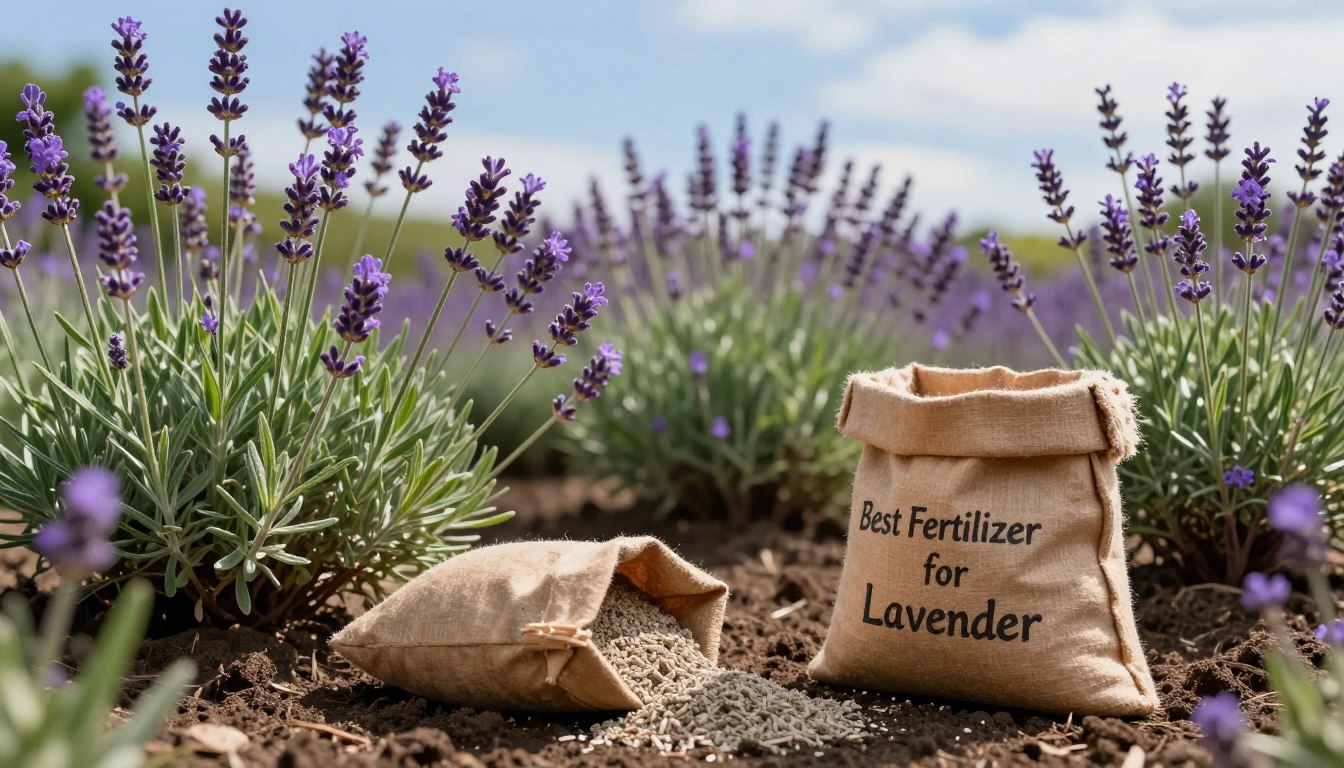

I’ll tell you straight: the Best Fertilizer for Lavender is often very little or none at all. I say this because lavender thrives in lean, well-draining soil that mirrors its Mediterranean roots. Too much fertilizer or rich nutrients can make plants leafy and limp, cutting fragrance and blooms.
I’ve learned that timing and light care matter more than heavy feeding. In my garden, I favor a hands-off approach in winter and gentle, sparse feeding in spring. This way, lavender plants focus on strong growth and scent, not just green leaves.
Want a simple plan? I explain how to mimic the natural way these herbs prefer, when to feed, and how to avoid common mistakes. For a practical guide and product notes, check this helpful resource: complete grow lavender guide.
Key Takeaways
- Lavender prefers lean, well-draining soil over heavy feeding.
- A little fertilizer at the right season beats frequent feeding.
- Avoid high-nitrogen meals that promote leaf growth instead of blooms.
- Care timing—spring feeding, skip autumn/winter—protects growth.
- Mimic Mediterranean conditions for best fragrance and flower production.
Why Your Lavender Thrives on Neglect
These Mediterranean natives signal health when left to their own devices, not when pampered with rich soil.
The genus Lavandula evolved on sun-baked slopes and thin, rocky soil. I’ve seen Logan Hailey’s advice play out in my own garden: lavender plants prefer lean substrates and minimal extra nutrients.
The Mediterranean Habitat
Lavender comes from mountainous areas around the western Mediterranean. Those soils are low in organic matter and minerals. Plants adapted to those conditions do well with sharp drainage, modest water, and plenty of sun.
Risks of Over-Fertilization
Give too much fertilizer and you invite problems. Excess nitrogen often pushes foliage over flowers, dulling scent and bloom power.
- Too much nutrient can cause yellowing leaves and a droopy, withered look.
- Roots are sensitive; overfeeding can lead to root burn or rot.
- Late-season fertilizing prevents hardening off before winter and raises disease risk.
| Condition | Cause | Result |
|---|---|---|
| Rich, moist soil | High nutrients or heavy compost | Excess foliage, fewer flowers |
| Late fertilizing | Feeding in autumn | Poor winter hardening, higher disease risk |
| Compact, wet soils | Poor drainage | Root rot, plant decline |
I recommend mimicking native conditions. If you want practical steps to grow strong lavender plants at home, see my short guide on how to grow lavender.
Identifying the Best Fertilizer for Lavender
I focus on gentle, mineral-rich amendments that support roots without pushing foliage.
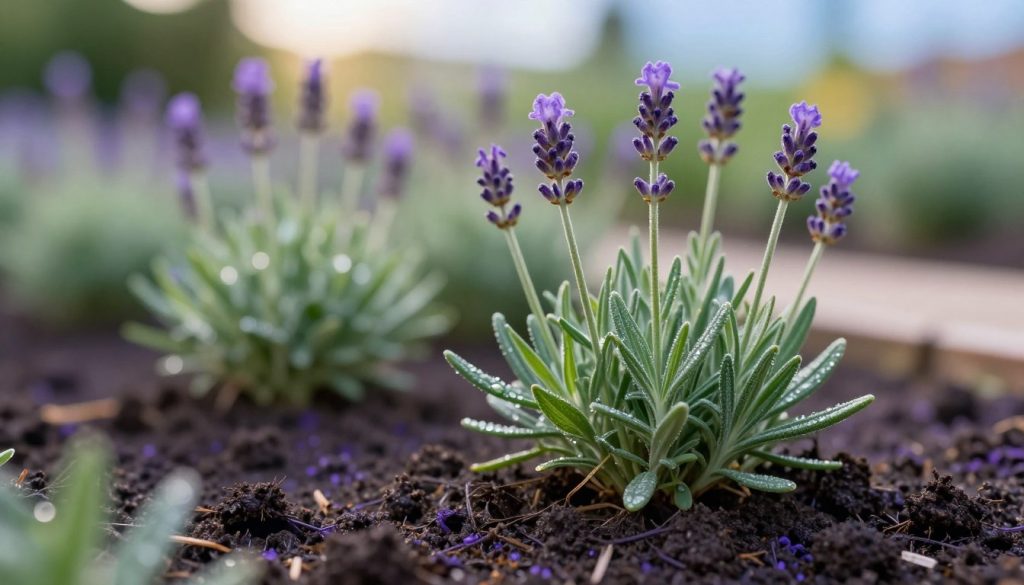
I favor organic meals like bone meal or kelp meal to supply trace minerals. These add nutrients without excess nitrogen that encourages leafy growth over blooms.
If you’re unsure about your garden’s needs, do a soil test. A simple test shows pH and mineral levels so you avoid unnecessary feeding.
- Mix a small amount of compost to improve drainage and reduce root rot risk.
- Use crushed limestone or oyster shell to add calcium and stabilize pH.
- Keep added nutrients modest — lavender plants need little to thrive.
| Amendment | Benefit | When to Use |
|---|---|---|
| Bone meal | Phosphorus and trace minerals to support blooms | Spring at planting or light top-dress |
| Kelp meal | Micronutrients and growth stimulants without high nitrogen | Early spring, once per year |
| Crushed limestone / oyster shell | Raises calcium, helps pH and root health | When soil test shows low calcium or low pH |
Tip: Some gardeners in Door County use mineral-rich amendments for local soils, but most home gardeners do better by improving structure and drainage than by adding much fertilizer.
Can I Use the Same Fertilizer for Lavender That Works Well for Aloe Vera?
Using the best fertilizer for aloe vera might not yield the same results for lavender. While both plants thrive in well-drained soil, lavender prefers a low-nutrient environment. It’s essential to choose a fertilizer specifically designed for lavender to ensure optimal growth and bloom.
Timing and Application Techniques for Healthy Growth
When you match amendments to the season, lavender rewards you with stronger roots and flowers.
Correct Soil Preparation
Start in early spring, just as new growth appears. I apply any needed trace minerals then so the plant uses them through the season.
Check soil pH and do a simple soil test. Lavender prefers pH between 6.5 and 7.5. A test shows if lime or calcium is needed.
Improve drainage before planting. I mix gravel or perlite into the soil so roots won’t sit in water. Good drainage prevents root rot and supports steady growth.
- Work bone meal into a shallow trench around the perimeter, not against the crown.
- Avoid fertilizing after mid-summer to preserve winter hardiness.
- Water after applying amendments so nutrients settle into the root zone.
| Condition | When to Act | Effect |
|---|---|---|
| Low calcium | Early spring (after soil test) | Improves root health and flower set |
| Poor drainage | At planting | Reduces rot, strengthens plants |
| Trace mineral need | Spring top-dress | Supports steady, balanced growth |
Conclusion: Embracing a Hands-Off Approach
I often find restraint pays off more than quick fixes when tending these herbs. Let the soil stay lean and the roots breathe. That simple way supports steady growth and stronger fragrance.
Skip heavy feeding and avoid high-nitrogen products that push foliage over flowers. If you add anything, use a light spring top-dress of compost or a small amount of meal with trace minerals.
Trust time and good drainage. With minimal care, your plants reward you with longer life, better blooms, and the scent you want in your garden.