

Ethan Brooks
Focused on sustainable practices, careful seed selection, and hands-on experience, our family work closely with nature to produce quality harvests while continuously learning and improving each year..
Latest Posts


Archive
Tags
Social Links
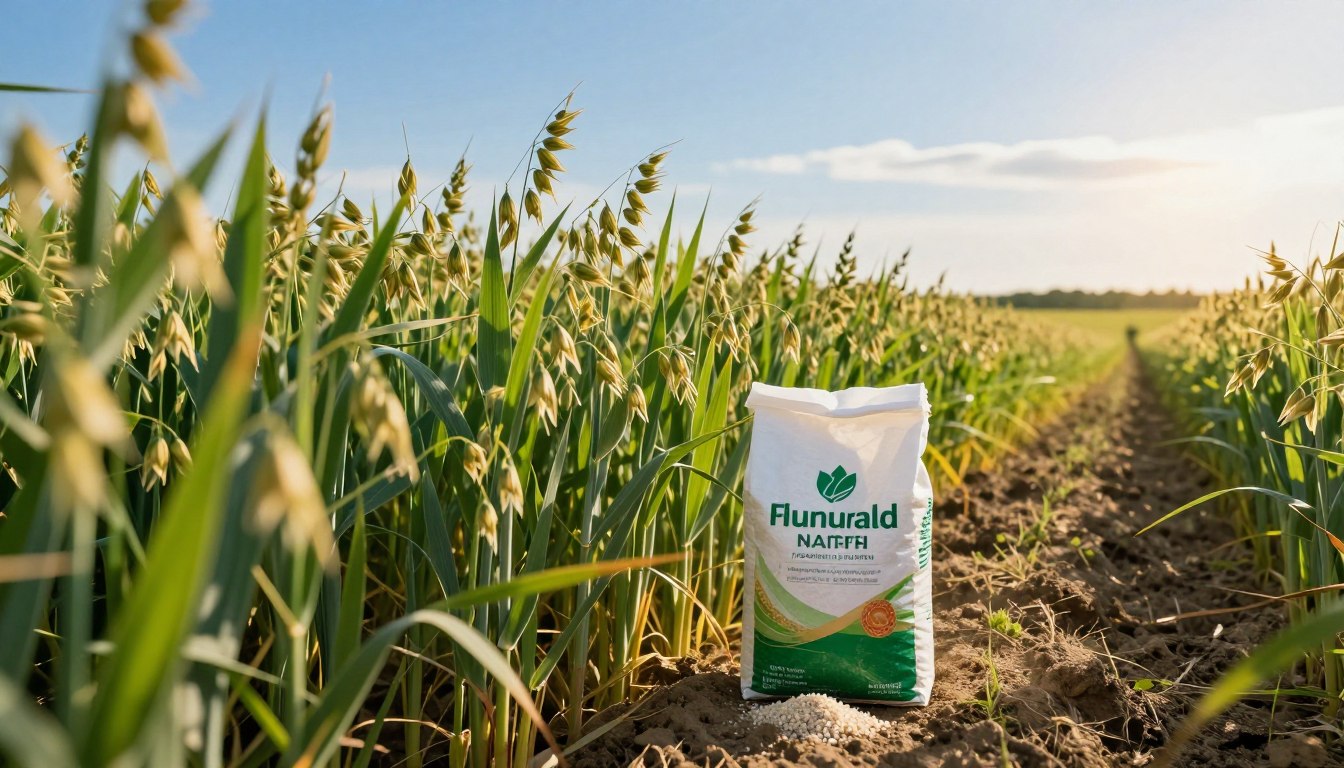

I learned early that choosing the Best Fertilizer for Oats makes a real difference in my oat crop production.
I check soil nutrient levels and run a soil test before planting. This helps me set nitrogen and phosphorus rates that match my yield goals.
I watch soil nitrate and organic matter so I can apply the right amount of fertilizer and avoid common mistakes with urea or broadcast N. Careful nutrient management boosts plant growth and grain quality.
For practical guidelines, I follow regional research and tools like the University of Minnesota’s oat nutrient recommendations at oat fertilizer guidelines.
Key Takeaways
- Start with a soil test to set nitrogen and phosphorus rates.
- Match fertilizer application to organic matter and expected yield.
- Manage soil nitrate to reduce loss and improve oat yields.
- Use recommended rates for potassium and sulfur when tests show need.
- Avoid placing high urea near seed; follow safe application practices.
Understanding the Nutritional Requirements of Your Oat Crop
I begin by reviewing lab soil tests and field history to pinpoint what my oat stands will need. That helps me balance nutrients and set realistic yield targets.
Primary macronutrients drive growth. Nitrogen is the top priority; a 100 bushel/acre oat crop needs about 97–117 lbs N per acre to reach potential. Phosphorus supports roots and seed set, while potassium helps plants resist stress and build protein.
Primary Macronutrients
I watch soil nitrate and organic matter because both affect the amount of nitrogen available. Using urea works, but I manage timing and placement to cut losses.
The Role of Micronutrients
Micronutrients like manganese matter more than many expect. I look for Grey Speck and other deficiency signs and correct them early to avoid reduced grain quality at harvest.
- I perform a soil test to set rates and avoid over-application.
- My nutrient management mixes N, P and K to reduce lodging and protect yields.
- Monitoring organic matter helps me predict nitrogen supply between tests.
| Nutrient | Function in Plant | Typical Target per Acre |
|---|---|---|
| Nitrogen (N) | Stalk growth, grain protein, tillering | 97–117 lbs N per acre |
| Phosphorus (P) | Root development, seed formation | As indicated by soil test (ppm basis) |
| Potassium (K) | Stress tolerance, photosynthesis | Apply when test shows low levels to meet crop demand |
| Manganese & Micros | Enzyme function, disease resistance | Correct only if testing shows deficiency |
For step-by-step production guidance and nutrient rates tailored to your region, I recommend this how to grow oats resource. Consistent testing and adjustments keep my oat crop on track from planting to harvest.
Selecting the Best Fertilizer for Oats to Maximize Yield
I base fertilizer choice on measured soil levels rather than guesswork.
About 80% of prairie soils show phosphorus deficiency, so phosphate matters early in oat production. I look for balanced NPK ratios that supply nitrogen, phosphorus, and potassium needed for seedling growth.
I always run a soil test to set the amount to apply per acre. Test results guide rates and help me avoid excess phosphorus or nitrogen that can hurt soil health and harvest results.
Organic matter affects how nutrients are held and released. I pick fertilizers that give nutrients in plant-ready forms and match my soil’s organic matter and nitrate levels.
- Use a soil test to set per acre rates and avoid over-application.
- Choose balanced mixes that supply available nitrogen and phosphate.
- Monitor nitrogen levels through the season to protect oat yields.
Good fertilizer selection and testing keep my crop on track and improve grain quality at harvest.
Strategic Timing for Fertilizer Application
Timing my nutrient passes is what keeps my fields productive through the season. Good timing improves uptake and cuts losses. I plan each pass with soil and weather in mind.
Pre-Planting Preparation
I always run a soil test before planting to set nitrogen and phosphorus rates. Pre-planting is when I apply a balanced fertilizer so young plants get an early start.
I sometimes place 15 lbs/acre of potassium chloride in the seed-row where cold, wet soils need a boost. I stay careful with rates to protect the seed.
Top-Dressing During Tillering
During tillering I add a top-dress of nitrogen to push foliage growth and support grain set. I monitor nitrogen levels through the season to avoid deficiencies and to time the pass for best uptake.
Post-Harvest Replenishment
After harvest I apply fertilizers to restore soil levels for the next acre. This replenishment keeps nutrient cycling steady and supports long-term soil health.
| Timing | Action | Benefit |
|---|---|---|
| Pre-plant | Soil test; balanced fertilizer; seed-row 15 lbs/acre KCl | Strong early growth; seed protection in cold soils |
| Tillering | Top-dress nitrogen | Improved tiller count and grain potential |
| Post-harvest | Replenish P, K and organic matter | Restore levels for next crop and protect yield |
Can Choosing the Right Planting Time for Oats Impact the Effectiveness of Fertilizer?
Choosing the right planting time for oats is crucial for maximizing fertilizer effectiveness. Early spring planting can enhance nutrient uptake, leading to healthier crops. For farmers aiming for successful oat planting in the US, understanding local climate and soil conditions is essential to optimize growth and yield.
Managing Soil Health and Environmental Impact
Healthy topsoil is the foundation that guides every nutrient decision I make. I work to keep my fields productive while protecting nearby water and habitat.
The Importance of Soil Testing
I rely on a regular soil test to show nutrient levels and guide application rates. Tests tell me how much nitrogen and phosphorus the soil can supply and where to focus treatment.
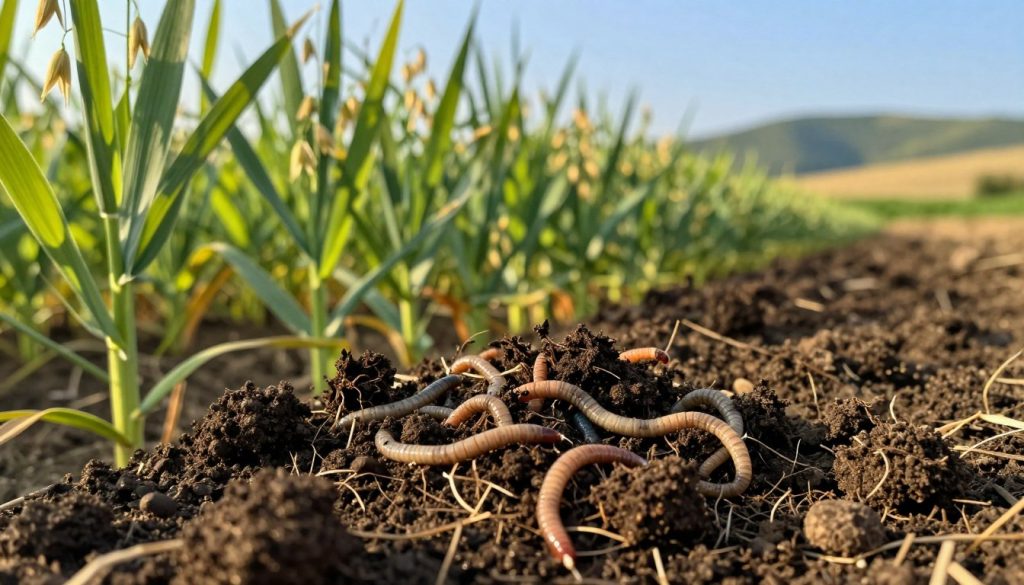
Small, targeted applications reduce runoff and cut waste. An application of 9–15 lbs/acre of sulphate often meets sulfur needs. If manganese shows low in the lab, I correct it quickly with a foliar spray.
- I avoid over-application by following test results and precise rates.
- I monitor potassium and other nutrients so plants get a balanced diet for growth.
- I use GPS-guided spreaders and variable-rate tools to limit environmental impact.
| Issue | Action | Typical Rate |
|---|---|---|
| Sulfur need | Soil-based sulphate application | 9–15 lbs/acre |
| Manganese low | Foliar correction at tillering | Follow label rate |
| Routine check | Seasonal soil testing | Every 2–3 years or per field |
Good soil health improves water-holding and nutrient availability, helping my oat crop resist stress and boost yields. For region-specific guidance, I also consult resources like how to grow barley when adapting rates across fields.
Conclusion
A clear soil profile guides every nutrient decision I make for a healthy stand. I have learned that matching soil nutrient levels to crop needs is the foundation of steady growth and better yields.
Regular soil testing keeps my nitrogen and potassium applications tuned to the season. Timing matters — a well-timed tiller pass boosts plant development and final yield.
I follow sustainable practices that protect soil health while keeping my oat crop productive. For regional nitrogen guidance and to refine my nutrient plan I consult the SD state recommendations at oat nitrogen guidelines.
Develop a personalized plan for your fields. Small, data-driven changes have improved my yields and grain quality every year.