

Ethan Brooks
Focused on sustainable practices, careful seed selection, and hands-on experience, our family work closely with nature to produce quality harvests while continuously learning and improving each year..
Latest Posts


Archive
Tags
Social Links


Have you ever wanted to grow your own tropical fruit right in your backyard? The journey from a tiny seed to a tree laden with sweet, juicy fruits is truly amazing. I’m here to guide you through every step.
Understanding how this plant develops is key for any gardener in the United States. My ultimate guide breaks down the entire process. You’ll gain the knowledge to nurture a thriving tree.
Successful growth starts with germination. White guava seeds typically sprout in 2 to 4 weeks. They need warm soil, between 70°F and 85°F, to wake up. Well-draining soil with a pH near 6.5 gives them the best start.
By following the stages in my guide, you can enjoy a bountiful harvest. Your homegrown guavas will be packed with vitamin C. Let’s turn your garden into a productive paradise.
Key Takeaways
- Guava seeds need warm temperatures (70°F–85°F) and 2–4 weeks to germinate.
- Well-draining, slightly acidic soil (pH 6.0–7.0) is essential for healthy roots.
- The growth process has distinct stages, from seedling to mature fruit-bearing tree.
- Homegrown guavas offer exceptional nutritional value, including high vitamin C.
- This guide provides foundational knowledge for both beginner and experienced gardeners.
- Cultivating guava successfully can transform your backyard into a tropical oasis.
Introduction to My Ultimate Guide on the Guava Life Cycle
Native to South America, the guava plant has found a welcoming home in subtropical parts of the United States. It’s scientifically known as Psidium guajava. This versatile fruit tree is surprisingly easy to grow in warm regions like Florida.
These evergreen trees can live for 30 to 40 years. You can manage their growth as a large shrub or a small tree. This flexibility makes them perfect for many garden spaces.
You’ll love the unique features. The leaves release a pleasant scent when crushed. The bark often flakes away to show a pale green layer underneath.
It’s a joy to grow guavas today. They provide a sweet harvest for food, like traditional dishes. You also get a beautiful, vitamin-rich fruit and lovely greenery all year.
Germination and Seedling Stages: Setting the Foundation
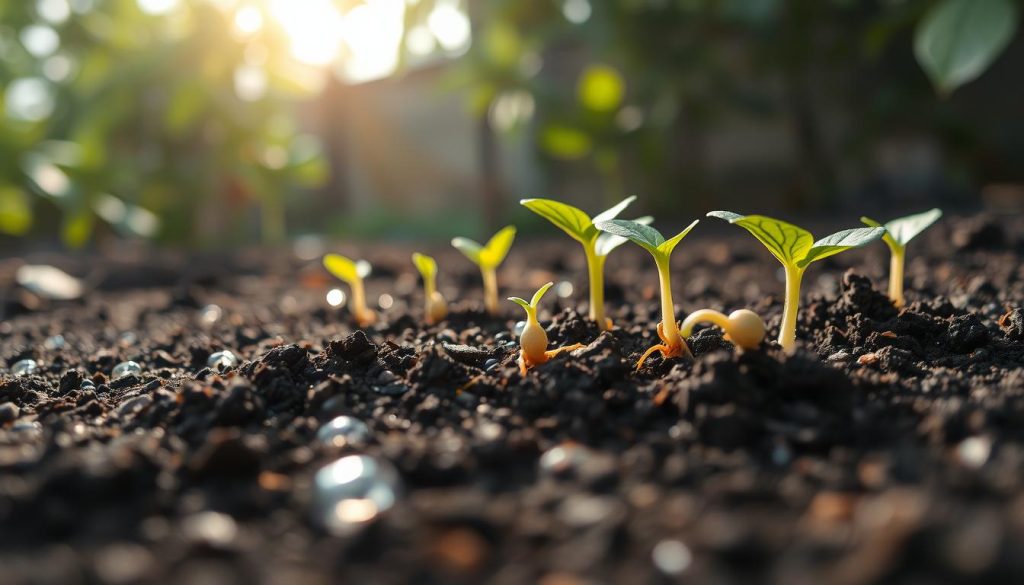
The journey from a dormant seed to a vibrant seedling is where your guava-growing adventure truly begins. Getting this foundation right is the most critical step for a healthy, productive tree. I’ll walk you through the ideal conditions and key milestones.
Ideal Conditions for Germination
Your seeds need warmth and consistent moisture to wake up. I recommend keeping the soil between 70°F and 85°F. This temperature range encourages sprouting within 2 to 4 weeks.
Balance is vital. The soil must stay damp but never soggy. A well-draining, fertile mix with a pH near 6.5 supports strong initial root development. This careful start builds a resilient root system.
Milestones in Early Seedling Growth
Once sprouted, the seedling stage lasts 4 to 8 weeks. Your young plants will grow to about 4–12 inches tall. Look for 2 to 3 sets of true leaves as a sign of robust growth.
Provide bright, indirect light during this time. Direct sun can overheat delicate seedlings. Establishing a strong root network early in the year sets the stage for future success.
When they reach the right height, they’re ready for transplanting. By monitoring these early phases, you ensure your future fruits have the best possible start.
Vegetative Growth: Robust Development and Nutrient Needs
After your seedling is established, it enters a dynamic phase of rapid expansion and structural strengthening. This vegetative stage typically lasts 6 to 12 months. Your plant is building the framework for all future fruit production.
Key Nutrient Requirements
Your guava plant has a big appetite now. It needs plenty of nitrogen and potassium. These nutrients fuel the creation of dense leaves and thick stems.
I recommend a balanced, slow-release fertilizer. Be careful not to overdo it. Heavy feeding can burn the tender root system of young trees.
Maintaining consistent soil moisture is just as important. This supports nutrient uptake and prepares the plant for flowering.
Environmental Adaptations and Root System Development
Under ideal conditions, you might see growth of 2 to 3 feet per year. This impressive speed requires full sunlight.
Larger leaves capture more light for photosynthesis. This energy fuels vigorous development.
Simultaneously, the root system digs deeper. This adaptation greatly improves the tree’s drought tolerance. It’s a critical period that sets a solid foundation.
Flowering and Fruit Production: From Pollination to Harvest
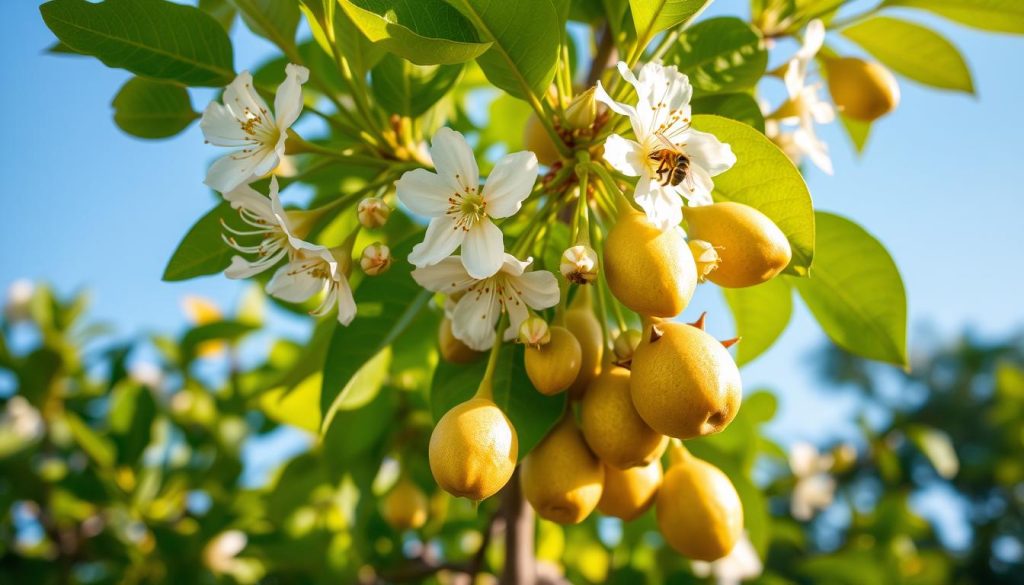
Witnessing your guava tree burst into bloom is a gardener’s delight, signaling the start of a fruitful season. This vibrant stage lasts 2 to 3 months, usually in late spring. The beautiful white guava flowers have many stamens.
These blossoms rely on bees and other insects for pollination. Successful pollination is essential for your tree to set its fruit.
Effective Pollination Practices
To encourage this vital process, avoid using pesticides when flowers are open. Planting other nectar-rich flowers nearby can attract more pollinators to your garden. This simple step boosts your tree’s fruit production significantly.
Fruit Development and Maturation Timelines
Once pollinated, the fruit development phase begins. It typically takes 4 to 6 months for the fruits to mature fully. Your first harvest usually arrives in the second to fourth year.
You’ll know the fruits are ripe when they reach full size, feel slightly soft, and emit a sweet aroma. Patience during this maturation time is key for transforming flowers into juicy, sweet treats.
| Stage | Key Feature | Typical Duration | Critical Factor |
|---|---|---|---|
| Flowering | White petals, numerous stamens | 2–3 months | Insect pollination |
| Fruit Set | Pollination success | Immediate after pollination | Bee activity |
| Fruit Maturation | Growth to full size | 4–6 months | Consistent warmth |
| First Harvest | Tree maturity | Year 2–4 | Tree age and health |
Understanding these timelines helps you manage your fruit trees and anticipate your harvest peak each year.
The Guava Life Cycle: Key Growth Phases and Notable Changes
From a tiny seed to a towering tree, the guava undergoes dramatic transformations that every gardener should appreciate. I’ll summarize the entire journey, highlighting the distinct physical and nutritional shifts that define its development.
Distinct Phases from Seed to Fruit
Your plant progresses through clear stages. It starts with the emergence of the first cotyledons. The seedling then builds a strong framework during vegetative growth.
Flowering and fruit production follow. From seed to a bearing tree usually takes about 3 to 4 years. These plants are highly resilient, adjusting their growth rates in response to temperature changes.
Physical and Nutrient Shifts Throughout Growth
You will see the plant’s form change significantly. It transitions from a delicate seedling to a robust tree that can reach 20 feet or more. The nutrient focus shifts over the years.
Early on, the need is for nitrogen to support leaf development. Later, phosphorus and potassium become critical for flowers and fruit. Simultaneously, a deeper root system develops to access moisture and adapt to environmental conditions.
| Growth Phase | Typical Duration | Notable Physical Change | Primary Care Focus |
|---|---|---|---|
| Seedling | 4–8 weeks | Development of true leaves | Consistent moisture, indirect light |
| Vegetative | 6–12 months | Rapid stem and leaf expansion | Balanced fertilizer, full sun |
| Flowering | 2–3 months | Bloom of white flowers | Pollinator attraction, no pesticides |
| Mature Fruiting | Years 3–4 onward | Annual fruit production | Potassium-rich feed, strategic pruning |
Understanding these phases helps you provide the right care at the right time. This ensures your guava trees grow to their full potential. The average lifespan ranges from 15 to 30 years, influenced by disease resistance and stress endurance. Tracking these changes gives you a deeper appreciation for the journey.
Dealing with Pests: Insights into the Guava Fruit Fly
One of the most common challenges for growers is managing the guava fruit fly. This pest can ruin a promising harvest if left unchecked. Protecting your fruit production requires knowing your enemy and acting early.
Recognizing Life Stages of the Fruit Fly
Female flies lay 5 to 10 eggs just under the skin of ripening fruit. Look for tiny puncture marks. Inside, you might find wriggling larvae.
The entire life cycle can finish in just 21 days in warm weather. Pupae develop in the top 5 to 15 cm of soil. They need 50-70% humidity to survive.
Prevention and Control Strategies
Your goal is to break the pest’s reproductive cycle. Use specific traps to catch adult flies. Promptly remove any fallen or damaged fruit from the ground.
Managing the soil around your trees disrupts pupation. Stay extra vigilant during the peak ripening season. This is when damage risk is highest.
| Control Method | Primary Action | Optimal Timing |
|---|---|---|
| Traps | Monitor and reduce adult fly population | Early flowering through harvest |
| Sanitation | Remove fallen and infested fruit | Weekly during fruit development |
| Soil Management | Disturb top layer to expose pupae | After harvest and before new season |
| Monitoring | Inspect fruit for stings and larvae | Peak of the ripening season |
Understanding this pest’s behavior is your best defense. Consistent effort protects your harvest from these insects and prevents the spread of disease.
Essential Tips for U.S. Gardeners Growing Guava Trees
For gardeners across the United States, proper planting sets the stage for a lifetime of harvests. I offer practical advice to give your guava trees the best possible start. Planting in the warmer months, like late spring or early summer, is ideal.
Planting, Spacing, and Soil Recommendations
Give your trees room to thrive. Space them 16 to 33 feet apart. This ensures good airflow and full sunlight for healthy growth.
Prepare the soil carefully. Dig a hole twice as wide as the root ball. Mix in compost for excellent drainage.
These plants prefer a soil pH between 5 and 7. They flourish in USDA hardiness zones 9 through 11. Meeting these conditions is a key requirement.
Water young trees every other day during their first year. Skip watering in winter when they are dormant. Once established, they become somewhat drought-tolerant.
Feed your guava with a balanced fertilizer. I recommend adding extra magnesium and iron. These nutrients support robust development and sweet fruits.
Protect younger plants from cold, drying winds. A simple windbreak can make a big difference. By following these tips, growers can ensure their guava trees grow strong for many years.
How Do the Life Cycles of Guava and Passion Fruit Compare from Seed to Fruit?
The life cycles of guava and passion fruit showcase unique yet parallel growth processes. Both start from seed germination, but their maturation varies. Understanding passion fruit cultivation techniques and stages highlights crucial differences in care, soil requirements, and fruiting patterns, essential for optimizing yield and ensuring healthy plants in diverse climates.
Maintenance, Pruning, and Propagation Best Practices
Keeping your guava tree in top shape requires a few simple but crucial maintenance routines. Consistent care ensures vigorous growth and abundant fruit production for many years.
Techniques for Effective Pruning and Disease Prevention
I recommend pruning in late winter every other year. This controls height and opens the canopy for better sunlight and airflow.
Always use sterilized shears. Remove damaged branches and sucker shoots at the roots. This prevents the spread of disease.
You can propagate your plant in several ways:
- Seeds: Soak them in warm water for 24 hours to encourage germination.
- Root cuttings: Take sections from established trees.
- Grafting: This technique is excellent for specific varieties.
For branch cuttings, a rooting hormone speeds up development. It helps you expand your collection of fruit trees.
Manage the form based on your space. Train a single trunk for a classic tree look. Let it grow as a shrub for a fuller appearance.
Keep the area around the base clear of grass. This reduces competition and moisture-related issues. Feed with a balanced fertilizer containing nitrogen and potassium to support ongoing fruiting.
When harvesting, use shears to snip the wood above the fruit. This avoids branch damage. Following these steps keeps your guava healthy and productive.
Conclusion
Your path to harvesting homegrown, vitamin-rich fruit begins with applying the insights shared here. I hope this guide gives you the confidence to manage your tree’s development successfully.
By following the steps outlined, you can enjoy the rewarding experience of growing delicious produce from a simple seed. Remember, patience is key. Your care will be rewarded with bountiful harvests for many years.
I encourage you to start your journey today. Use these best practices to ensure your plants thrive in the United States climate. Whether focused on a abundant yield or simply enjoying the beauty, you now have the tools to succeed.
Thank you for joining me in exploring guava cultivation. I wish you the best of luck with your home garden.