

Ethan Brooks
Focused on sustainable practices, careful seed selection, and hands-on experience, our family work closely with nature to produce quality harvests while continuously learning and improving each year..
Latest Posts


Archive
Tags
Social Links
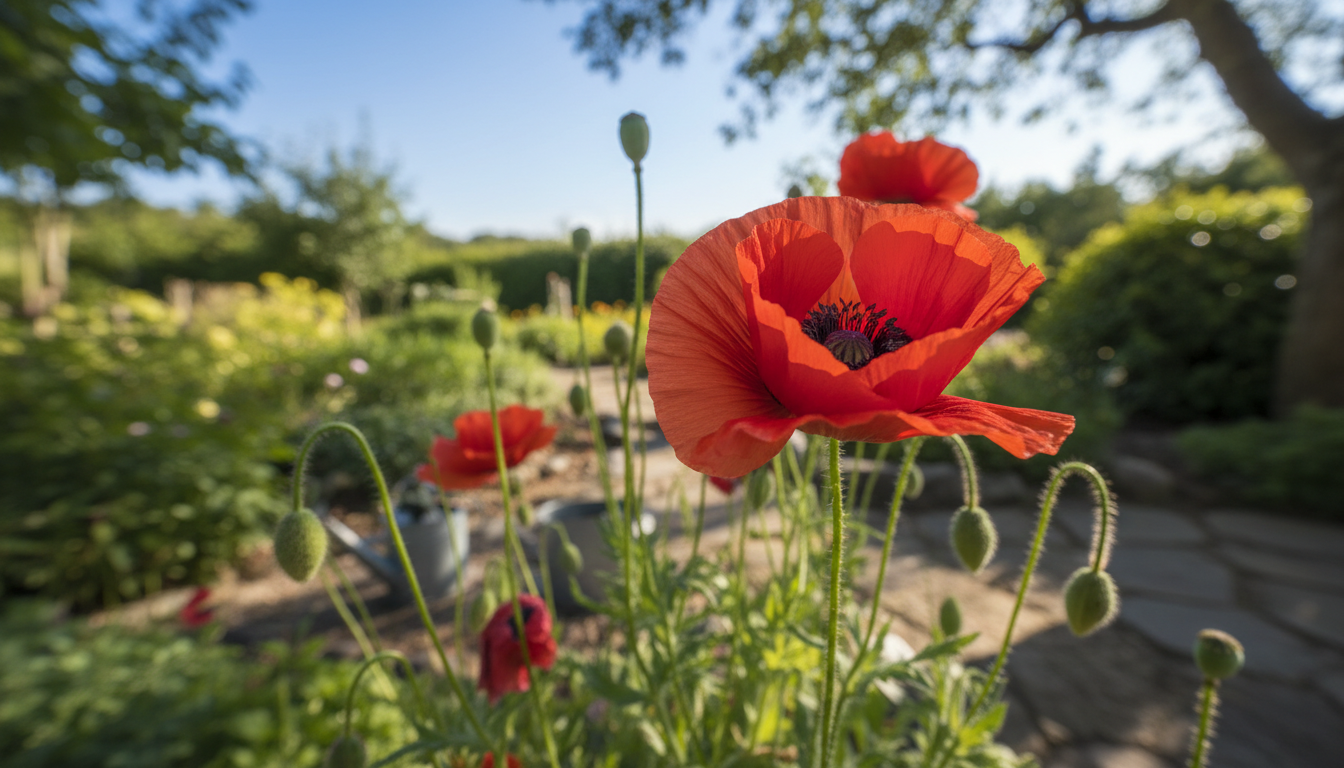

Welcome to the enchanting world of poppies! These vibrant flowers can transform any garden into a breathtaking display. Whether you’re a seasoned gardener or just starting, you’ll find that growing poppies is easier than you might think.
In this guide, I’ll share my personal journey with these beautiful blooms. I fell in love with them for their stunning colors and delicate petals. With a little knowledge, you too can enjoy the charm of poppies in your own garden.
From choosing the right seeds to understanding the importance of cold stratification, I’ll cover everything you need to know. By the end, you’ll feel confident and excited to cultivate your own patch of these delightful flowers. Join me on this journey and let’s make your garden pop with color!
Key Takeaways
- Poppies are easy to grow from seed, making them perfect for beginners.
- Understanding cold stratification is crucial for successful germination.
- There are different types of poppies, including annual and perennial varieties.
- Timing your planting can lead to a more vibrant garden.
- Poppies thrive in various climates, including warmer regions.
- Enjoy the rewarding experience of watching your poppies bloom!
Why Grow Poppies? Discovering Their Beauty and Benefits
There’s something truly magical about the vibrant colors and delicate petals of poppies. Each bloom feels like a burst of joy in the garden, making it hard not to fall in love with these enchanting flowers. They not only beautify your space but also offer numerous benefits that make them a gardener’s favorite.
Oriental Poppies (Papaver orientale) are particularly celebrated for their bold elegance. These perennials bloom from late spring to early summer, providing a stunning display year after year. Here are five beautiful varieties you might consider:
| Variety | Description |
|---|---|
| Papaver Marlene | Deep lilac-purple flowers that add a touch of royalty to any garden. |
| Papaver White Ruffles | Crystal white ruffled blooms that create a soft, romantic look. |
| Papaver Garden Glory | Salmon-pink flowers with striking black centers for a dramatic effect. |
| Papaver Patty’s Plum | Soft plum cup-shaped flowers that bring warmth and charm. |
| Papaver Picotee | Orange-to-red edged satiny flowers that brighten any flower bed. |
In addition to their beauty, poppies attract pollinators, which are essential for a thriving garden ecosystem. This makes them a great choice for those looking to create a vibrant and lively space. Plus, the foliage of annual poppies, like the papaver somniferum, develops into a waxy blue-green before fading by the end of July, adding texture even when blooms are not present.
One of the practical benefits of growing poppies is that their seed heads can be dried for beautiful arrangements. Moreover, saving seeds allows you to enjoy free plants for the following year. This connection to gardening tradition is another reason many people are inspired to cultivate these flowers.
From classic cottage gardens to modern mixed borders, poppies fit beautifully into any design. My own experience with these flowers transformed my garden from a disappointing space into one filled with reliable, breathtaking color. Once you witness your first poppy bloom unfurl, you’ll understand why these flowers have captivated gardeners for generations.
Investing time in learning about poppies pays off with seasons of beauty, making every morning in the garden feel like a gift. So, why not take the plunge and add these stunning blooms to your garden?
How to Grow a Poppy Plant: Step-by-Step Guide for Beginners
Starting your journey with poppies can be incredibly rewarding. These flowers are not only stunning but also quite easy to cultivate. In this section, I’ll share essential tips on selecting the right seeds, preparing the soil, and ensuring your plants thrive.
Choosing the Right Seeds and Sowing Methods
First, let’s talk about seeds. It’s important to understand the difference between annual breadseed poppies and perennial Oriental varieties. Each type offers unique beauty and characteristics for your garden.
I recommend checking out online retailers like Botanical Interests, Swallowtail Seeds, and Johnny’s Seeds for quality seeds. When it comes to sowing, I prefer the winter seed sowing method. This technique works well, especially if my spring cleanup is delayed.
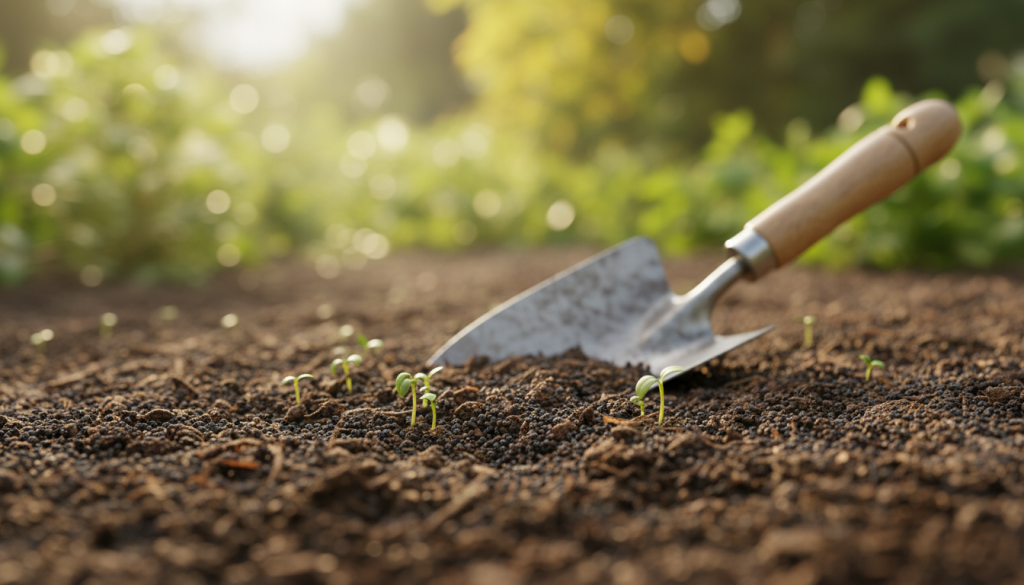
For direct sowing, mix tiny poppy seeds with fine sand in a 3-to-1 ratio. This way, you can scatter them evenly across your planting area. Remember, poppy seeds need light to germinate, so press them gently into the soil without covering them.
Preparing the Soil and Selecting the Best Location
Next, let’s focus on soil preparation. Poppies thrive in well-drained soil, so loosen it to a depth of 12-15 inches. Mixing in compost or well-rotted manure creates the ideal conditions for growth.
Choosing the right location is equally crucial. Look for a spot in your garden that receives at least six hours of direct sunlight each day. This light is essential for healthy poppy growth.
When planting, space bare roots 18-24 inches apart, ensuring the crown is just below the soil surface. If you’re transplanting seedlings, aim to thin them to about 6 inches apart once they reach 2 inches tall.
Watering and Fertilizing for Healthy Growth
Watering is another key aspect of poppy care. Keep the soil evenly moist, especially during germination. Once established, poppies require less water, about an inch per week, depending on weather conditions.
For fertilization, use a balanced, slow-release fertilizer each spring. Avoid high-nitrogen options, as they can lead to excessive foliage growth at the expense of blooms.
Once you follow these simple steps, your poppy seedlings will establish quickly. In fact, they can double in size in just a week! Watching them grow is truly rewarding.
Caring for Your Poppy Plants Throughout the Seasons
Caring for your poppy plants throughout the seasons ensures a vibrant and healthy garden. Each season brings unique tasks that can help your flowers thrive. I’ll share my favorite tips for maintaining these beautiful blooms, from spring and summer care to fall and winter preparations.
Spring and Summer Maintenance: Bloom Care and Deadheading
During spring and summer, poppies require regular attention. I find that deadheading spent flowers on my Oriental poppies encourages new blooms. This practice keeps the garden looking tidy and vibrant.
As the summer heat approaches, the foliage of annual papaver somniferum develops a lovely waxy blue. By late July, this foliage may fade and brown. I typically cut it back but always leave those precious seed heads intact for later harvesting.
Watching seed pods develop is one of my favorite summer routines. When the heads turn brown and the little tops pop up, I know they are ready for harvest. It’s a satisfying moment in the gardening year!
Fall and Winter Care: Overwintering and Seed Saving
As fall arrives, it’s time to prepare for winter. I recommend letting the seed pods dry completely before saving them. Cleaning off any debris and storing them in plastic bags or glass jars indoors ensures they remain viable for next year.
For perennial Oriental poppies, adding a protective layer of mulch is essential in cooler climates. This shields the roots from freezing temperatures. In warmer regions like North Texas, I cover the plants with frost cloth when temperatures drop below 28 degrees.
Managing Common Pests and Diseases
While caring for poppies, it’s important to be aware of common pests and diseases. Powdery mildew can occur if they don’t receive enough sunlight. Additionally, poor drainage and excessive watering can lead to root rot.
To prevent these issues, ensure good air circulation and avoid overhead watering. This keeps your poppy plants healthy and thriving throughout the year.
For those looking to multiply their favorite perennials, propagating Oriental poppies by division in late summer is a great option. Carefully dig up the plant, divide the clump, and replant sections with the tops about 3 inches below the soil line.
Lastly, leaving some seed heads on the plants allows them to re-seed themselves. This gives you surprise blooms the following year, like a delightful gift from your garden!
Conclusion
Growing poppies has become one of the most fulfilling aspects of my time spent in the garden. Each season brings its own joy, from planting seeds in the fall to witnessing vibrant blooms in spring. I encourage you to start small, perhaps with a single packet of seeds or a few bare roots. You’ll be amazed at how quickly your confidence grows alongside your plants.
As summer arrives, saving your own seed pods is incredibly satisfying. Knowing you’ll have free plants for the next year is a delightful reward. Resources like DutchGrown offer high-quality Oriental poppy roots shipped right to your door, making it easier than ever to enhance your garden.
Embrace the rhythm of nature, and enjoy the pure joy of stepping into your garden on a late spring morning. Let those delicate blooms inspire you to take the first step today, whether it’s ordering seeds or preparing your soil. Remember, gardening is a journey, and nurturing poppies is one of the most beautiful ways to begin.