

Ethan Brooks
Focused on sustainable practices, careful seed selection, and hands-on experience, our family work closely with nature to produce quality harvests while continuously learning and improving each year..
Latest Posts


Archive
Tags
Social Links
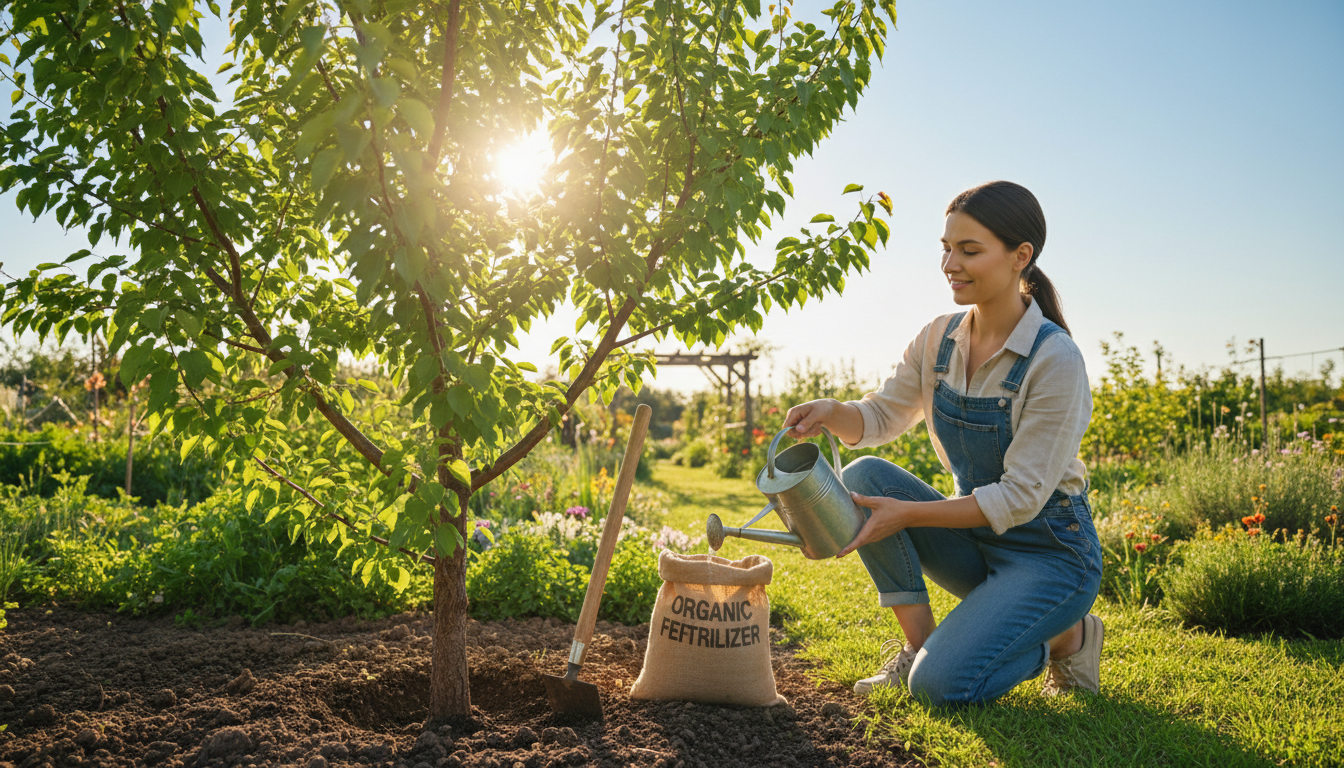

Welcome to my exciting journey into the world of apricot trees! These delightful fruits are not only a treat for the taste buds but also a joy to grow. With the right care, you can enjoy a bountiful harvest of sweet, golden apricots right from your backyard.
In this guide, I’ll share my personal experiences and tips on caring for these beautiful trees. You’ll learn about the ideal conditions for planting, nurturing, and harvesting fruit. Whether you’re a seasoned gardener or a beginner, you’ll find it easier than you think!
Get ready to discover the rewards of tending to your own apricot tree, from planning and planting to enjoying the fruits of your labor each summer. Let’s embark on this fruitful adventure together!
Key Takeaways
- Growing apricot trees is rewarding and fun.
- These fruits are nutritious and delicious.
- Proper care leads to a bountiful harvest.
- Learn about ideal planting conditions.
- Enjoy the journey of gardening together!
Planning & Planting Your Apricot Tree
Planning is the cornerstone of successful apricot tree cultivation. Before you put a shovel in the ground, it’s essential to consider several factors that will ensure your tree thrives.
First, choosing the right location is vital. Apricot trees need full sun for at least six hours each day. This sunlight helps them produce sweet, juicy fruits. Look for a spot in your yard that offers this exposure. Additionally, select well-drained areas. You want to avoid low spots where frost can settle and harm your young tree.
Choosing the Best Location and Soil
Good drainage is crucial for healthy roots. If your soil has high clay content, consider mixing in a potting medium or one-third peat at planting time. Apricots prefer loamy soil, which is a blend of sand, silt, and clay. Test your soil’s pH; it should be between 6.5 and 7.5 for optimal growth. If necessary, add sulfur or lime to adjust the acidity or alkalinity.
Incorporating organic matter, like compost or well-rotted manure, into the planting area improves fertility and moisture retention. This preparation gives your apricot tree a strong start.
The Ideal Time to Plant Apricot Trees
Timing is another critical factor. Early spring, after the last frost, is the best time to plant your apricot tree. This allows the tree to establish itself before the heat of summer arrives.
Proper Spacing and Preparing the Planting Hole
When planting, consider the space your tree will need. Standard apricot trees require 15-20 feet between them, while dwarf varieties need only 8-10 feet. Make sure to dig a wide hole, about as deep as the root ball. Mix the native soil with compost for a nutrient-rich blend.
It’s also essential to think about cross-pollination. Planting a compatible variety within 100 feet can enhance your harvest. Lastly, keep your trees at least 8-10 feet away from patios and water pipes to prevent future root issues.
| Tree Type | Spacing Required |
|---|---|
| Dwarf | 8-10 feet |
| Standard | 15-20 feet |
| Miniature | 4-6 feet |
With careful planning and the right conditions, your apricot tree will flourish, bringing joy and delicious fruits to your garden!
How to Grow Apricot: Essential Tree Care
Caring for apricot trees is an ongoing adventure. I find that giving them consistent attention in their early years pays off with a lifetime of healthy growth. Here, I’ll share my personal watering routines, feeding schedules, and tips for container-grown trees.
Watering Your Apricot Tree for Optimal Growth
Newly planted trees need regular deep watering. Aim for about 2 inches of water per week. During scorching summer heat, I double that amount for young trees. This consistent moisture helps their roots establish and thrive.
One of my favorite watering tricks is to do it early in the morning or late in the evening. This timing reduces evaporation, and I often use stored rainwater whenever possible. It’s a simple way to be more sustainable!
Established free-standing trees usually don’t require extra water. However, if you have container-grown apricots, they need steady moisture throughout the growing season. Keeping the compost evenly moist is crucial, especially in summer.
Be cautious about soggy roots, particularly for potted trees in winter. Always ensure your pots have excellent drainage holes. This way, excess water can escape freely, preventing root rot.
Feeding and Fertilizing Tips
For apricot trees growing in well-mulched soil, additional feeding is often unnecessary. However, if your harvests are disappointing, applying a granular fertilizer in early spring can work wonders. I recommend using a balanced fertilizer with equal parts nitrogen, phosphorus, and potassium. This helps support steady growth without pushing too much leafy foliage at the expense of fruit.
For those in containers, regular feeding is essential. I suggest using a high-potassium liquid feed every two weeks during the growing season or sprinkling a handful of slow-release granules onto the compost each spring. This routine keeps the trees healthy and productive.
Repotting Container-Grown Apricot Trees
Every few years, I repot my container-grown apricot trees in spring. I choose a slightly larger pot filled with good quality, peat-free compost. If the tree outgrows practical pot sizes, I simply repot it into the same container, trimming the roots lightly and refreshing the compost.
In the years between repotting, I topdress by removing the top layer of compost and replacing it with fresh material. This little trick keeps the nutrients flowing and supports new growth.
With these simple care tips, your apricot trees will flourish, bringing joy and delicious fruits to your garden!
Pruning and Training for Healthy Growth
Pruning is an essential practice that can transform the health of your apricot trees. It not only improves air circulation but also maintains the desired shape and size of your trees. Additionally, it helps remove unhealthy tissue, promoting robust growth.
The best time for pruning is in late winter or early spring, just before the buds begin to swell. At this time, the tree is still dormant, ready to burst into new growth. I find this timing perfect for ensuring the health of my trees.
When it comes to tools, I always use clean, sharp bypass secateurs and loppers. These tools make neat cuts that heal quickly, reducing the risk of disease entering the wounds. Here’s my step-by-step process for pruning:
- Start by removing any dead, damaged, or diseased branches.
- Thin out the interior canopy to let sunlight and air reach every leaf and developing fruit.
- Look for crossing or rubbing branches that need to be removed for better airflow.
Good airflow through the branches is one of the best defenses against fungal diseases. Training young branches is also essential. This creates a strong, open scaffold structure that supports heavy crops of apricots without breaking under the weight.
Remember, major corrective pruning should be spread over several years. This approach avoids shocking the tree and allows for gradual reshaping of neglected trees. Consistent annual pruning keeps your apricot tree at a manageable size for harvesting.
Even if you’re starting from the seed of an apricot, mindful pruning from the early years builds the strong branch framework needed for a lifetime of productivity. You can’t really mess this up—apricot trees are forgiving. Every cut you make with intention helps your tree grow stronger and healthier.
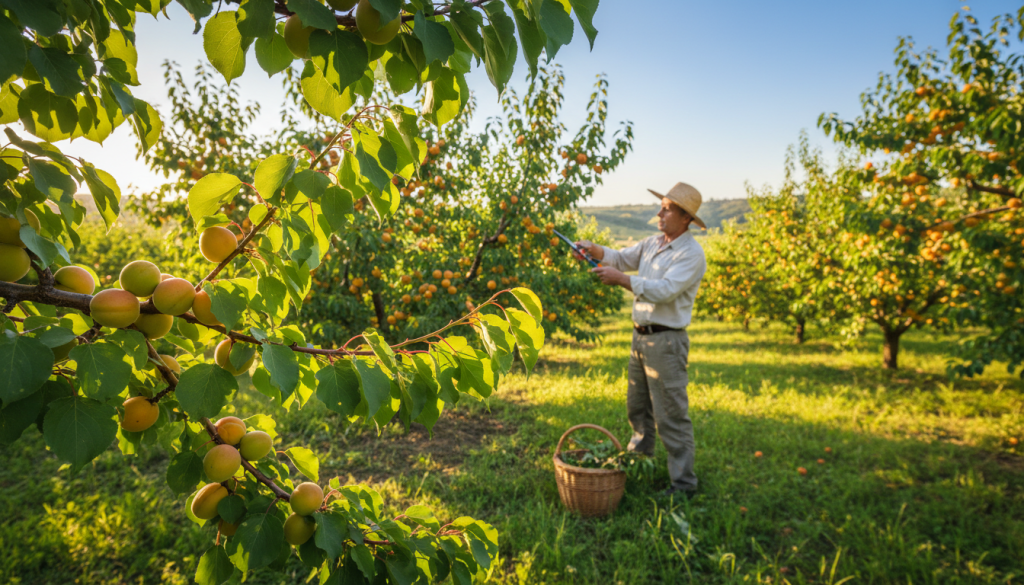
Protecting Your Apricot Tree & Blossoms
Every gardener knows that protecting the blossoms and developing fruit is essential for a successful harvest. I learned this lesson the hard way when a late spring frost wiped out an entire year’s crop. Now, I’m diligent about safeguarding my apricot trees, especially during their most vulnerable moments.
Shielding Blooms from Frost Damage
Frost can be devastating for apricot blossoms. If frost is forecast during flowering, I cover my trees overnight with horticultural fleece, hessian, or even an old bedsheet. I use bamboo canes to support the fabric, ensuring it doesn’t touch the delicate flowers. It’s crucial to uncover the tree during the day to let in sunlight and allow pollinating insects to do their work.
For container-grown apricot trees, I simply move the pots into my unheated greenhouse or a sheltered porch during cold snaps. This method is easy and effective. However, protecting blossoms on large, free-standing trees can be tricky. I recommend planting these trees only in warm, sheltered spots where spring frosts are less likely.
Defending Your Fruit from Birds and Other Pests
Once the blossoms give way to developing fruit, it’s time to defend against birds and squirrels. I use plastic-free netting or fruit sleeves supported on a simple wooden frame to keep pests at bay. This method has proven effective in preserving my precious harvest.
If you have multiple fruit trees in your garden, investing in a fruit cage can be a fantastic long-term solution. It not only protects your trees but also saves you frustration during the ripening season. Additionally, dwarf varieties, often sold as patio fruit trees, do best when tucked into an unheated greenhouse or sheltered spot during the coldest months.
Preventing Disease and Maintaining Health
Maintaining good airflow around your apricot trees is vital for disease prevention. Regular pruning helps with this, as does keeping the area around the tree clean of fallen leaves and fruit. A little vigilance goes a long way. I check my trees regularly during flowering and fruiting season to ensure they remain healthy and productive.
With these simple yet effective techniques, you can protect your apricot trees and enjoy a bountiful harvest year after year!
| Protection Method | Description |
|---|---|
| Frost Covering | Use horticultural fleece or old bedsheets to cover blossoms overnight. |
| Container Movement | Move pots into a greenhouse or sheltered area during cold snaps. |
| Netting | Utilize plastic-free netting to shield developing fruit from pests. |
| Fruit Cage | Invest in a fruit cage for long-term protection of multiple trees. |
| Regular Vigilance | Check trees frequently during flowering and fruiting to prevent issues. |
Tips to Improve Your Apricot Crop
Let’s dive into some of my favorite tips for enhancing your apricot crop. These little extra efforts can transform a modest harvest into a bumper crop of huge, juicy apricots!
Hand Pollination for Better Fruit Set
A common misconception is that apricots don’t need help with pollination. While they are self-fertile, they bloom early in spring when pollinators are scarce. That’s why I take matters into my own hands!
My hand-pollination routine is simple. On dry, sunny days around noon, I gently dab the center of each flower with a small paintbrush. I do this over several days to ensure a good fruit set. After pollinating, I lightly mist the tree with water to help the pollen stick. Just remember to let the flowers dry completely before nightfall to prevent disease.
If you have trees in a greenhouse, hand pollination is a must. They need that extra attention since they’re isolated from natural pollinators.
Thinning Fruitlets to Boost Size and Quality
Once my tree sets a heavy crop, I take the time to thin the tiny fruits. When they reach cherry size in late spring, I space them about 2-3 inches apart. This allows the remaining fruits to grow larger and juicier.
Using sharp secateurs, I cut unwanted fruitlets in half. They drop off naturally without damaging the shoot. I always start with misshapen or awkwardly positioned ones, ensuring the best fruits remain.
Using Mulch and Other Growing Aids
Mulching is one of the simplest yet most effective growing aids. Each spring, I spread a thick layer of homemade compost or well-rotted manure around the base of my trees. This helps suppress weeds and retains moisture in the soil.
Consistent mulching not only feeds the soil slowly over time but also improves soil structure. This reduces the need for additional fertilizing, making care easier as my apricot trees mature.
Lastly, don’t hesitate to experiment with different varieties suited to your region. Some are more cold-hardy, while others ripen earlier. Finding the right match can dramatically improve your fruiting success!
Conclusion
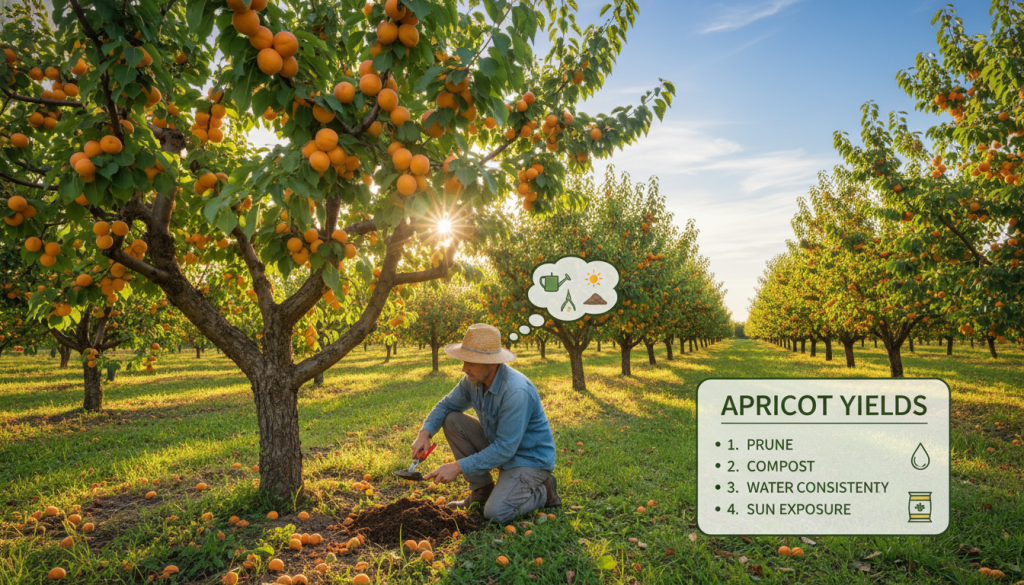
The satisfaction of enjoying homegrown fruits is truly unmatched. I hope this guide has shown you that nurturing your own apricot trees is not only achievable but incredibly rewarding. Remember, the key pillars of success include selecting a sunny, well-drained spot and providing consistent care throughout the year.
Annual pruning and training keep your trees healthy and manageable for easy harvesting each summer. Protecting blossoms from frost and defending ripening fruit from pests are small efforts that yield significant rewards. Start with quality plants from reputable suppliers for the best results.
Growing apricot trees is a delightful journey, filled with lessons and sweet rewards. Experiment with different varieties suited to your climate, and let your gardening adventure unfold. My apricot trees have brought me immense joy, and I can’t wait for you to experience that same delight in your own backyard!