

Ethan Brooks
Focused on sustainable practices, careful seed selection, and hands-on experience, our family work closely with nature to produce quality harvests while continuously learning and improving each year..
Latest Posts


Archive
Tags
Social Links
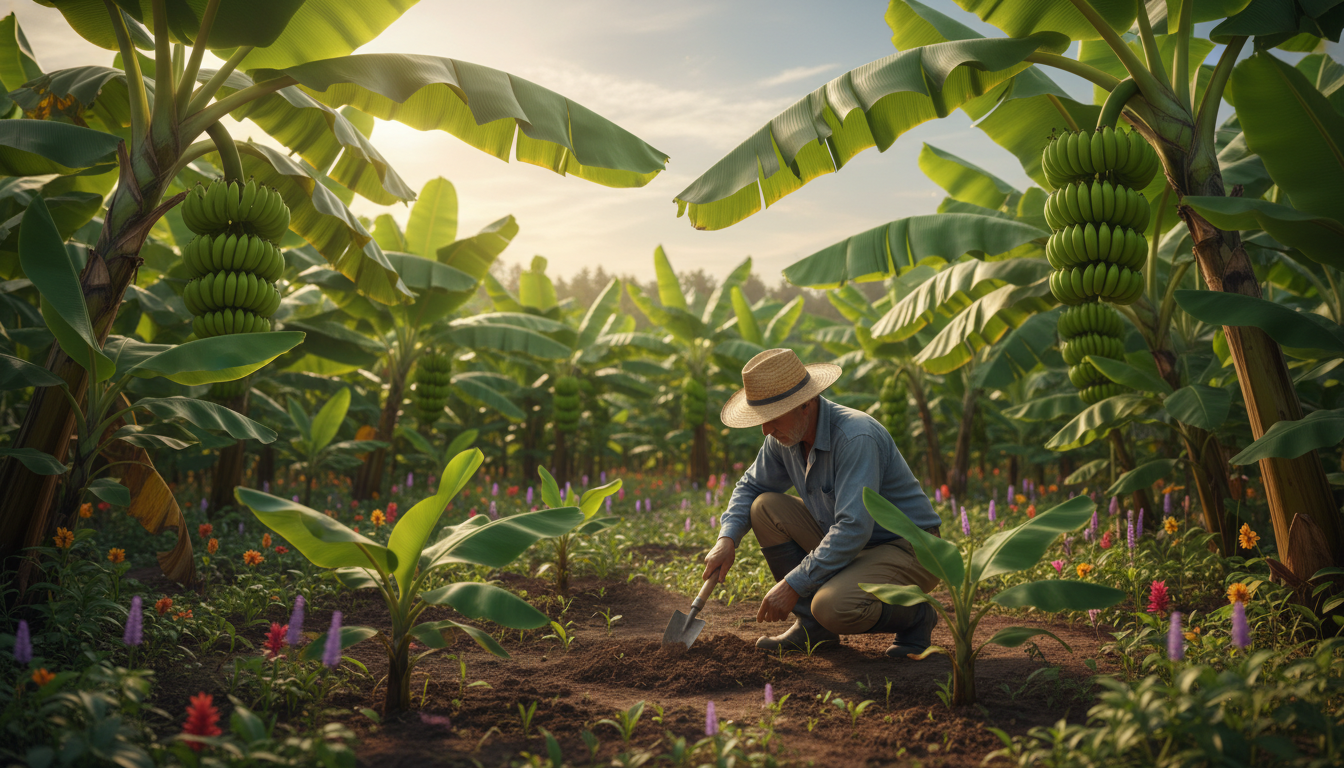

Welcome to the wonderful world of growing your own bananas! Homegrown bananas are not just any fruit; they are often sweeter than the typical Cavendish variety found in stores. Imagine enjoying the rich taste of your own freshly harvested bananas right from your backyard.
Banana plants are fascinating, as they are actually giant perennial herbs, not trees. They belong to the same family as gingers and bird-of-paradise flowers. Patience is key, as it can take anywhere from 18 months to 3 years for a sucker to produce its first bunch of fruit.
These plants require ample space, so plan for about 2 to 4 square meters per plant in your garden. After harvesting, the mother plant will only produce one bunch of bananas, and it needs to be cut back to the ground level.
Understanding Banana Plants and Varieties
Let’s dive into the fascinating biology of banana plants and their diverse varieties. These remarkable plants are not trees at all; they are actually giant perennial herbs. Their trunks are made up of tightly wrapped leaf stalks, creating a unique structure.
New leaves begin to grow inside the plant, just below the ground. They push up through the middle of the crown, a process that is truly captivating to observe. As the plant matures, the banana flower emerges from the center, eventually developing into the bunch of bananas we all love to eat.
Popular Banana Varieties in the United States
In the United States, several banana varieties are commonly grown. The most well-known is the Cavendish variety. This stout plant produces large, heavy bunches that you often see in supermarkets.
Another popular choice is the Lady Fingers variety. These bananas are tall and slender, yielding smaller, sweeter fruit. Many gardeners grow them not only for their delicious taste but also for their ornamental appeal.
Plantains are another significant variety. These cooking bananas are drier and starchier, often used when green, much like potatoes. In fact, plantains make up about 80% of all bananas grown worldwide.
The Role of Suckers and Rhizomes in Growth
Understanding the rhizome, or corm, is crucial for successful banana cultivation. This underground structure has multiple growing points that develop into new suckers or pups. These suckers can be left to replace the mother plant or transplanted to expand your banana patch.
While wild bananas produce viable seeds, the edible varieties we commonly grow do not. Instead, propagation occurs through suckers and rhizome pieces. Suckers are baby plants that shoot off from the base of the mother plant, providing an excellent opportunity to increase your banana plants over the years.
By grasping this biology, I can become a better grower. Knowing where new growth comes from and how to manage my plants is key to a thriving banana garden.
| Variety | Description | Usage |
|---|---|---|
| Cavendish | Stout plant with large, heavy bunches | Fresh consumption |
| Lady Fingers | Tall and slender with smaller, sweeter fruit | Fresh consumption, ornamental |
| Plantains | Drier and starchier, used green | Cooking, similar to potatoes |
Ideal Growing Conditions for Banana Plants
Banana plants flourish in specific conditions that mimic their natural habitat. Understanding these requirements is crucial for anyone looking to cultivate these delicious fruits.
Climate Requirements
Banana plants thrive in tropical or warm subtropical climates. The ideal temperature range for them is between 78 and 86 degrees Fahrenheit (26-30°C). If temperatures drop below 57 degrees Fahrenheit (14°C), these plants simply stop growing. Additionally, frost can kill the above-ground parts, but the underground corm may survive and re-shoot.
Humidity is another critical factor. In commercial plantations, growers often water their plants two or three times a day to maintain high humidity levels. This consistent moisture is essential for the overall health of the plants.
Soil Type and Preparation
The soil for banana plants needs to be incredibly rich and fertile. I recommend incorporating plenty of compost and chicken manure before planting. This enriches the soil and provides essential nutrients. Additionally, adding wood ash can give the plants an extra potassium boost, which they love.
Space and Arrangement
Providing enough room for banana plants is essential for their growth. Planting them in blocks or clumps, rather than single rows, creates a sheltered environment that increases humidity and protects the trunks from sunburn. The outside rows often look sad, while the best bananas grow on the inside, shielded by their neighbors.
Allowing 2 to 5 meters between each plant is crucial, depending on your layout. If space is limited, consider growing a few plants together with something else on the outside for protection.
Lastly, banana plants need a lot of water because their large leaves evaporate moisture quickly. Ensuring steady moisture in both the ground and the air is essential for healthy growth.
| Condition | Requirement |
|---|---|
| Temperature | 78-86°F (26-30°C) |
| Humidity | High; water 2-3 times daily |
| Soil | Rich, with compost and chicken manure |
| Spacing | 2-5 meters between plants |
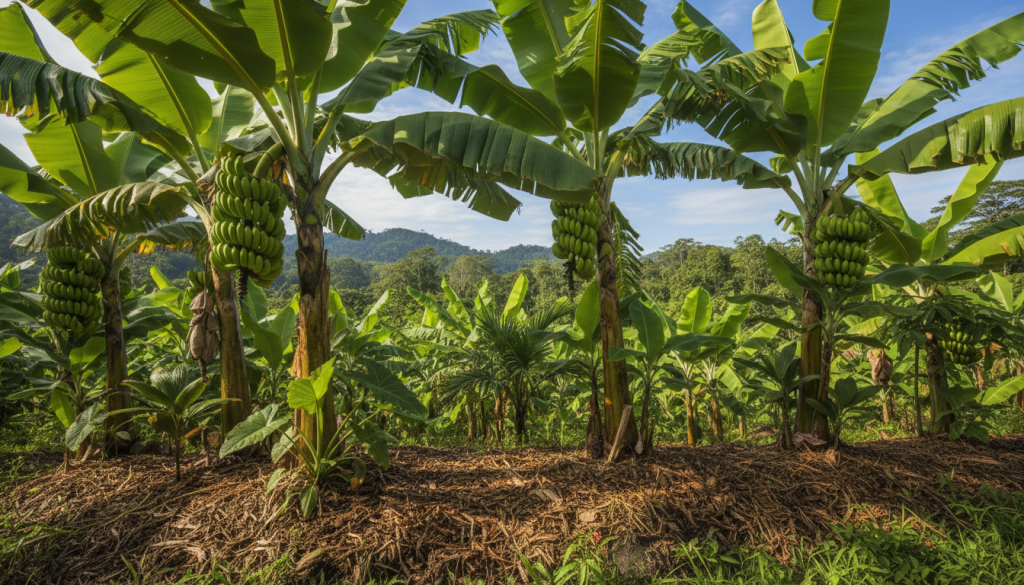
How to Grow Banana: Propagation and Planting Techniques
Starting your banana journey begins with the right propagation techniques. The best way to start is by obtaining healthy suckers or pups from a vigorous banana plant. These suckers should have small, spear-shaped leaves, ideally about four feet high. Choosing the right suckers is crucial, as smaller ones take longer to fruit and produce smaller first bunches.
When you’re ready to take a sucker from the mother plant, use a sharp shovel. Cut downwards between the mature plant and the sucker through the corm. Ensure you get a good chunk of corm and plenty of roots. After cutting, chop the top off the sucker to reduce evaporation while it settles into its new home.
Another option for propagation is digging up a piece of the rhizome. You can chop it into bits, where every piece with an eye can be planted. Although this method takes longer, it works well if you have limited access to suckers.
After planting, it’s essential to keep the newly planted bananas moist but not overly wet. Without leaves to evaporate water, they can rot if overwatered. Spacing is also vital for optimal growth. Within double rows, you can space plants 2 to 3 meters apart. Between double rows, maintain a distance of 4 to 5 meters. If you’re planting a single clump of a few banana plants, you can place them even closer together.
| Propagation Method | Description | Time to Fruit |
|---|---|---|
| Suckers | Healthy pups taken from the mother plant | 6-12 months |
| Rhizome Pieces | Chopped sections of the rhizome | 12-18 months |
Watering and Feeding Your Banana Plants
As your banana plants grow, they will require consistent care, especially when it comes to watering and feeding. Understanding their needs is essential for healthy growth and abundant fruit production.
Seasonal Watering Needs
From late spring through late summer, your banana plants will experience rapid growth. During this time, they need a lot of water. This is particularly true in warm weather when their large leaves evaporate moisture quickly. The most common cause of banana plant death is lack of water, so keeping up with watering is crucial.
For container-grown banana plants, you must pay extra attention. These plants dry out faster than those in the ground, so they need more frequent watering. If you bring container plants indoors for winter, reduce watering significantly. Allow the compost to dry out between waterings to prevent root rot.
Feeding: Compost, Manure, and Fertilizers
Bananas are heavy feeders, requiring plenty of nutrients to thrive. In spring, apply a general-purpose granular fertilizer over the soil surface. Then, cover it with a generous layer of mulch. This will help retain moisture and slowly release nutrients.
Chicken manure is an excellent choice for feeding, as bananas love nitrogen and potassium. Be sure to keep the fertilizer close to the trunk, as banana plants do not have extensive root systems. For container plants, mix slow-release feed into the compost at planting time. Additionally, consider using organic liquid feed during spring and summer for an extra nutrient boost.
Special Care for Container-grown Banana Plants
When it comes to container-grown banana plants, I recommend re-potting them every spring or every other spring. Increase the container size by 2 to 3 inches for younger plants. For larger containers, aim for an increase of 4 to 6 inches every two to three years.
Lastly, remember that wood ash sprinkled around your plants adds extra potassium, which is vital for healthy fruit development. Keeping up with their feeding schedule will reward you with lush growth and better fruit production.
| Care Aspect | Details |
|---|---|
| Watering Frequency | Frequent in spring and summer; reduce in winter |
| Fertilizer Type | General-purpose granular, chicken manure, organic liquid feed |
| Container Size Increase | 2-3 inches for younger plants; 4-6 inches for larger plants |
| Special Notes | Keep fertilizer close to the trunk; use mulch to retain moisture |
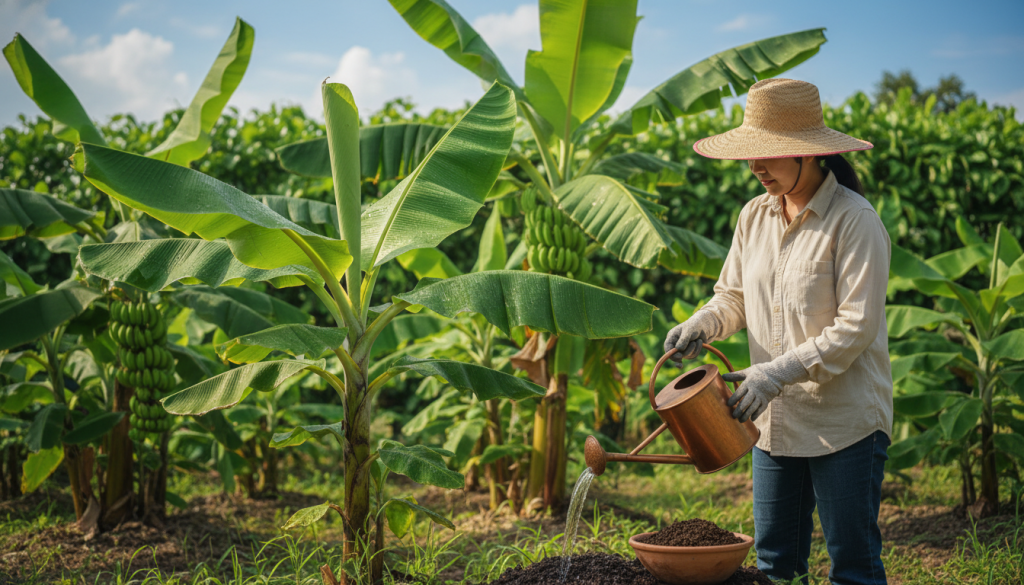
Maintaining Healthy Banana Plants
Maintaining healthy banana plants is essential for a fruitful harvest. Proper care and attention will ensure your plants thrive and produce delicious fruit. In this section, I’ll share my favorite strategies for keeping your banana plants in peak condition.
First, let’s talk about pruning suckers. Each banana family should consist of three plants: one mother plant with a ripening bunch, one baby sucker, and one in-between. By cutting back everything else, you help the plant focus its energy on developing fruit rather than wasting it on excessive suckers. Remember, the best suckers to keep are those with small, spear-shaped leaves, as they are still receiving nutrients from the mother plant.
Pruning Suckers and Managing Plant Energy
Regular pruning is vital for managing the energy of your banana plants. It allows the plant to direct its resources toward fruit production. By maintaining a family of three, you’ll prevent overcrowding and ensure that each plant has enough space to grow.
Mulching and Soil Care for Consistent Moisture
Next, let’s discuss mulching. A mature banana plantation becomes almost self-mulching. I recommend throwing all dead leaves and old trunks back under the plants. This creates a rich, moisture-retaining layer. Additionally, using a generous layer of organic mulch around the base of your plants helps hold moisture in the soil and suppresses weeds.
It’s also important to remove any dead leaves and cut down dead plants occasionally. This keeps your banana patch looking tidy and healthy. A clean area around your plants can deter pests and promote better growth.
Protecting Plants from Wind, Frost, and Pests
Banana plants can be vulnerable to strong winds. Providing shelter and protection is crucial for maintaining healthy, upright plants. For tender varieties, I recommend cutting off the foliage, wrapping the stem in hessian and straw, and applying a thick layer of mulch over the root zone for insulation during winter months.
Even if the top growth gets severely damaged by cold, well-established banana plants often re-sprout from the base in spring. This resilience makes them a rewarding addition to any garden.
| Maintenance Aspect | Details |
|---|---|
| Pruning | Keep one mother plant, one baby sucker, and one teenager |
| Mulching | Use organic matter to retain moisture and suppress weeds |
| Protection | Shield plants from wind and frost; wrap stems in winter |
| Pest Management | Maintain cleanliness to deter pests |
Growing Banana Fruit: Flowering, Ripening, and Harvesting
The journey of growing bananas reaches an exciting stage as we explore flowering, ripening, and harvesting. Understanding these processes is essential for any banana enthusiast.
Understanding the Banana Flower and Fruit Development
The banana inflorescence, known as the “bell,” is a stunning sight. This purple structure contains many flowers that will eventually develop into the bunch of bananas we all love. Initially, the tiny bananas point downward, but as they mature, they gradually turn and curl upward toward the light. It’s a fascinating transformation that I enjoy watching over just a few days.
To promote even ripening, I recommend covering the developing bunch with a banana ripening bag. Use blue on the shady side and silver on the sunny side to reflect sunlight. This simple trick helps ensure that all bananas ripen uniformly.
Once the bunch has developed, you can cut off the bell about 15 centimeters below the last female hand. This action redirects the plant’s energy into growing bigger bananas instead of producing a long stalk filled with infertile flowers.
Harvesting Techniques: Cutting Hands vs. Whole Bunch
When it comes to harvesting, I prefer cutting off just one hand at a time. This way, I can bring them inside and let them ripen in a bag while the rest stay green on the plant. If you harvest the whole bunch, all bananas ripen at once, which can lead to an overwhelming amount to eat in a short time.
To determine when bananas are ready to pick, look for well-rounded fruit with visible ribs. The little flowers at the end should be dry and rub off easily. This is a sure sign that they are ripe and ready for harvest.
Ripening and Preserving Bananas at Home
Bananas will continue to ripen on the bunch, and those taste the absolute best. However, once they start ripening, they go quickly, so be prepared! If you want to preserve your harvest, there are a couple of practical methods.
- Peel and freeze bananas for cooking and baking.
- Peel, split them in half lengthwise, and dry them for a delicious snack.
Keep in mind that the fruit takes about two months to fill out and ripen after the flower first appears. Patience is key during this exciting waiting period.
Troubleshooting Common Issues When Growing Bananas
Growing bananas can be rewarding, but it comes with its share of challenges. As a banana grower, I’ve encountered various issues that can affect the health of my plants. Let’s explore some common problems and how to tackle them effectively.
Dealing with Weather Extremes and Temperature Stress
Bananas can endure extreme heat if they have enough water, but they really don’t thrive in it. When temperatures drop below 57°F (14°C), banana plants stop growing. Frost can kill everything above ground, but the underground corm often survives and can re-sprout.
The most common cause of banana plant death is lack of water. Therefore, consistent watering is crucial. It’s also important to note that strong winds can damage banana plants. Planting them in sheltered blocks helps protect them from gusts.
Managing Pests, Diseases, and Animal Intruders
Banana plants can attract various pests and animals. I’ve had issues with possums, birds, and even kangaroos trying to munch on my ripening bananas. Using bunch covers is a great way to protect your developing fruits from diseases, insects, and hungry wildlife.
Keeping your plants healthy and well-fed is key to managing common pests and diseases. Strong plants are naturally more resistant to problems, so ensure they receive adequate nutrients.
Handling Sticky Sap and Tool Cleaning Tips
Harvesting bananas can be a sticky affair due to the sugary sap. This sap is incredibly hard to wash off with soap. However, I discovered a fantastic cleaning tip: washing your hands and tools with milk effectively removes the sticky residue. I learned this trick from ABC Gardening Australia years ago, and it has been a game-changer for keeping my garden tools clean.
Even when things go wrong, banana plants are surprisingly resilient. They often bounce back from the base when conditions improve, reminding us of their strength and adaptability.
Can the Right Fertilizer for Passion Fruit Also Benefit Banana Plants for Better Growth?
Choosing the best passion fruit fertilizer can significantly enhance the nutrient profile of your soil, which may also benefit banana plants. Both tropical fruits thrive on similar nutrients, so a carefully balanced fertilizer could promote healthier growth and increased yields for both plants, making it a smart gardening choice.
Additional Tips for Growing Bananas in Your Garden
Banana plants offer more than just delicious fruit; they can enhance your garden in various ways. Not only do they provide shade and beauty, but they also serve practical purposes that benefit both the plants and your overall garden ecosystem.
One fantastic use for banana plants is as windbreaks or natural screens. They can effectively shield your garden from strong winds, protecting more delicate plants. Additionally, positioning them on the hot western side of your house can help keep it cool during the hottest parts of the day.
Using Banana Plants as Windbreaks and Garden Screens
Banana plants are perfect for creating a lush barrier that blocks wind and provides privacy. Their large leaves catch the wind, reducing its impact on other plants. This feature is especially useful in gardens where wind can damage delicate crops.
Furthermore, banana plants can utilize water and nutrients from waste drains, such as those from outdoor showers or washing areas. This clever permaculture technique not only conserves water but also helps nourish your banana plants.
Companion Planting and Mulch Crops to Support Growth
Companion planting can significantly enhance the health of your banana plants. Consider growing mulch crops like cassava, sweet potato, and crotalaria in the understory. These plants can help retain moisture and enrich the soil with nutrients.
Additionally, banana leaves are a valuable resource. They can be fed to horses, cows, and other grazing animals, making banana plants a multifunctional asset in homesteads and small farms. After harvesting, the dried remains of banana trunks can be used for weaving baskets and mats, ensuring nothing goes to waste.
When planting, keep in mind that banana plants don’t have extensive root systems. Therefore, it’s essential to apply fertilizer close to the trunk. Just sprinkle some fertilizer every now and then to replenish the nutrients removed during harvesting. This practice helps maintain a healthy growth cycle.
| Benefit | Description |
|---|---|
| Windbreaks | Protects other plants from strong winds |
| Shade | Provides cooling shade on hot days |
| Companion Planting | Enhances soil health and moisture retention |
| Animal Feed | Leaves can be used as feed for livestock |
| Craft Materials | Dried trunks can be woven into baskets and mats |
Conclusion
As we conclude this guide, let’s reflect on the journey of cultivating these delightful plants. Growing bananas doesn’t take much effort once you get the basics right from the start. Remember to provide rich soil, plenty of water, and regular feeding. Shelter from wind and careful pruning will help direct energy into fruit production.
A banana plant takes about 9 months to produce a bunch of bananas, after which the mother plant dies. Fortunately, the suckers around the base are ready to take over. With the family-of-three pruning system, you’ll enjoy a continuous supply of bananas for years to come.
Additionally, banana plants offer benefits beyond just delicious fruit. They provide shade, wind protection, and even crafting materials. Be patient, as it can take 18 months to 3 years for the first sucker to bear fruit. However, the sweetness of homegrown bananas makes the wait worthwhile.
So, whether you have a large garden or a small space, I encourage you to start your banana-growing journey. Each experience will teach you more about these magnificent plants. Once you taste your first homegrown banana, you’ll understand why so many gardeners fall in love with growing them!