

Ethan Brooks
Focused on sustainable practices, careful seed selection, and hands-on experience, our family work closely with nature to produce quality harvests while continuously learning and improving each year..
Latest Posts


Archive
Tags
Social Links
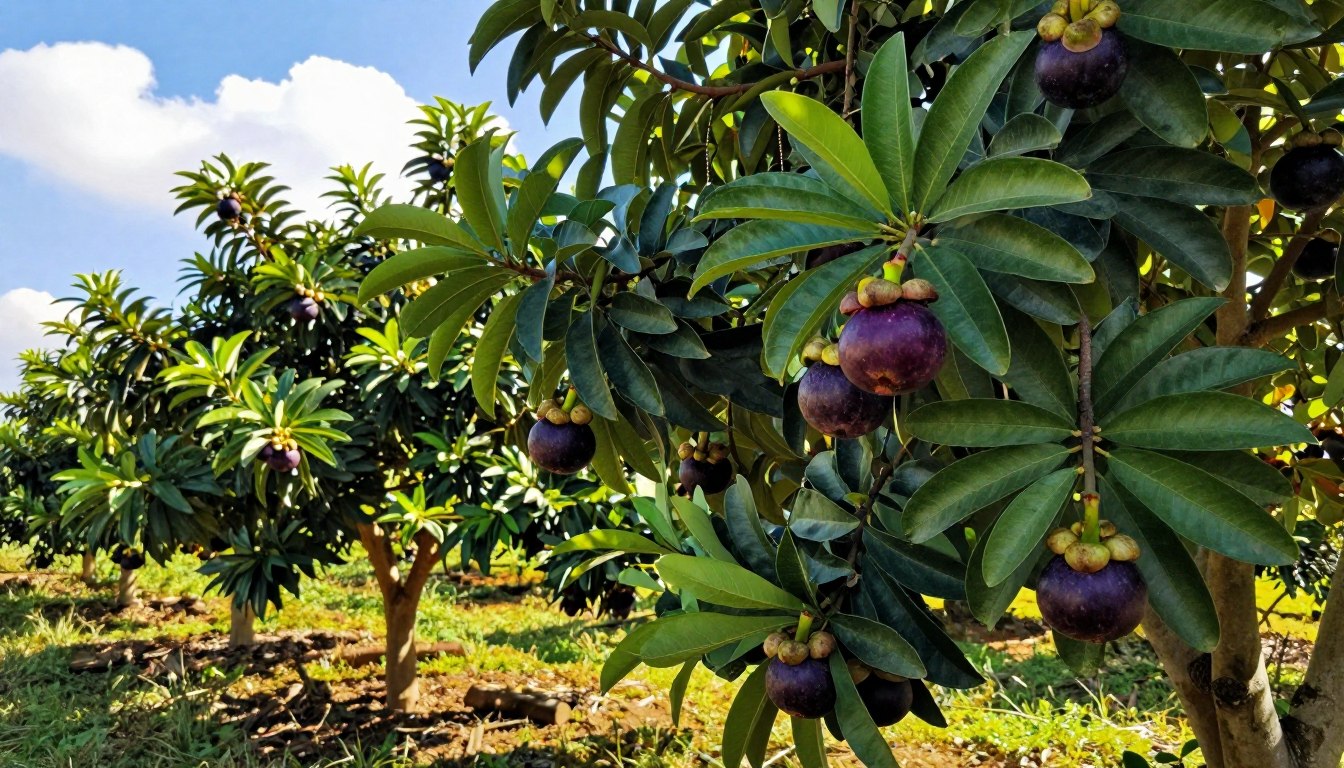

I’ll answer it clearly while keeping things simple and practical.
I share my hands-on plan for how to grow mangosteen and care for this picky tropical tree. I write from experience. A healthy, mature tree can yield up to two thousand fruits in a season, so patience pays.ке
I will cover seed choice, soil needs, and daily care in a friendly, stepwise way. Expect clear tips that fit a U.S. gardener’s pace and climate planning. This evergreen, called the queen of tropical fruit, rewards steady effort with soft, sweet flesh that is rare and prized.
Key Takeaways
- I give a direct route for success with this rare tree.
- Healthy trees can produce large harvests when cared for right.
- Soil, patience, and consistent watering are essential.
- The fruit is highly valued and worth the effort.
- My guide walks you from seed choice through harvest.
Understanding the Queen of Tropical Fruit
This remarkable tree blends striking form with an irresistible fruit. I like to start by looking at the plant itself and its story.
Botanical Characteristics
The mangosteen tree, Garcinia mangostana, is a slow-growing evergreen native to Malaysia, Singapore, and Indonesia.
It can reach up to 50 feet in ideal conditions and offers glossy leaves that shift from rose-colored new growth to deep green.
The fruit has a sweet, tangy flavor that balances tropical sweetness with a touch of acidity—one reason the mangosteen fruit is so prized.
Historical Significance
Known as the queen of tropical fruit, this plant carried royal status across its native range.
It was once reserved for elites, and even Queen Victoria showed fascination for those queen fruits.
I find that understanding these traits helps when planning care for young trees and anticipating future harvests.
- Leaves: glossy and attractive
- Height: may reach 50 feet
- Flavor: sweet with slight acidity
Essential Climate and Environmental Requirements
This crop demands a narrow climate band and steady moisture for reliable health.
Mimicking Southeast Asia is the best plan. The mangosteen prefers warm, humid conditions and consistent rainfall. Air temperatures must stay above 40ºF and below 100ºF for long-term survival.
I recommend keeping daytime ranges close to 68–104°F and protecting young plants from cold snaps. These limits explain why this tree is hardy only in USDA zones 11 and 12. That covers parts of Florida, Puerto Rico, and Hawaii.
High humidity is non-negotiable. Avoid windy, salty coastlines—salt spray stresses the roots and foliage. Creating a sheltered, moist environment gives the best chance your mangosteen trees will mature and set fruits.
- Temperature: keep within the narrow band for health.
- Humidity: maintain steady moisture and rainfall-like conditions.
- Site choice: avoid salty, exposed areas for queen fruits success.
How to Grow Mangosteen from Seed
Starting from seed is the classic route for this queen fruit, and it rewards patience. I look first for fresh seeds with a tan outer edge and a deep white center. That visual check helps avoid weak embryos.
Seed Selection
Pick seeds from fully ripe fruit. Choose clean, undamaged seeds. If the end looks dark or dry, skip it.
Germination Process
Soak the seed in purified water for 24 hours. Plant it about one inch deep in rich soil. Keep the container in the sunniest spot you have.
Expect germination in four to six weeks when temperatures stay warm and water is steady. Provide partial shade during the hottest hours to prevent leaf scorch.
Potting Methods
Use an eight-inch or deeper container with fertile potting mix. Young trees need steady moisture and bright sunlight all day for strong root development.
It will take years for a seedling to reach about 48 inches and be ready for transplanting outside.
| Item | Recommendation | Timing |
|---|---|---|
| Seed appearance | Tan edge, bright white center | At purchase or harvest |
| Soak | Purified water, 24 hours | Before planting |
| Container | 8″ or deeper, rich soil | At planting |
| Germination | Warm, sunny spot | 4–6 weeks |
| Transplant height | ~48 inches | May take years |
Selecting the Best Planting Site
Pick a calm, sheltered corner in your yard where the air rarely gusts. I look for a spot that blocks strong wind and keeps salty breezes well away.
Good conditions matter. Choose a site with steady moisture, partial midday shade, and protection from winter drafts. Avoid coastal locations; salt damages roots and leaves.
- I dig a hole twice the width and depth of the container at least 30 days before planting.
- Preparing the area lets the young tree focus on building a strong root system rather than fighting stress.
- Check the site carefully—moving a mature mangosteen tree hurts its delicate taproot.
| Requirement | Why it matters | Action |
|---|---|---|
| Shelter from wind | Prevents branch and root stress | Choose a protected corner or windbreak |
| Avoid salt exposure | Salt stunts growth and burns leaves | Keep planting well inland from shorelines |
| Soil prep | Encourages deep root establishment | Dig large hole 30+ days before planting |
| Light balance | Supports photosynthesis without scorch | Provide morning sun and afternoon shade |
Pick wisely, and your queen fruits will have the best start.
Preparing the Soil for Optimal Growth
Before planting, I focus on building a rich, well-draining bed that feeds roots for years.
Soil pH and Nutrient Balance
A slightly acidic mix helps plants take up nutrients efficiently. Aim for a soil pH of 5.5 to 6.8. I test early and correct any major drift well before transplanting.
Deep, loamy, sandy soil is best. This texture provides good drainage while holding moisture near roots.
- Amendments: dig in well-rotted manure and quality compost to supply nutrients and structure.
- Drainage: proper soil prep reduces the risk of root rot, a common killer of young mangosteen trees.
- Testing: check pH and organic matter so corrections are simple and effective.
Preparing the bed now saves work later and creates a fertile zone where seeds and young trees can establish quickly.
Transplanting Young Trees into the Garden
I wait until a seedling stands at least 48 inches before I plan permanent planting. That height gives the young trees a stronger root system and better odds for survival.
Prepare the hole early: fill it halfway with nutrient-rich soil and organic matter at least 30 days ahead. This creates a settled bed and a welcoming root zone.
When you lift the tree from its container, protect the delicate taproot. Handle the root ball gently and avoid twisting or dropping it.
- Tamp soil firmly after setting the root ball to remove air pockets.
- Stake the tree right away in windy conditions for extra support.
- Leave enough room; a mature tree may reach 20 to 82 feet over the years.
| Step | Action | Why it matters |
|---|---|---|
| Timing | Plant after seedling is ~48 inches | Stronger roots reduce transplant shock |
| Soil prep | Half-fill hole 30 days prior with rich soil | Settles bed and adds nutrients |
| Handling | Protect taproot; avoid rough movement | Taproot is vital for long-term stability |
| Support | Stake if windy; firm soil around roots | Prevents tilt and promotes steady establishment |
Watering Techniques for Healthy Development
Water rhythms shape the health of young trees more than most gardeners expect. I keep a simple routine when planting a mangosteen tree: steady moisture at the root zone, not puddles on the surface.
For the first three months after transplant, I water daily in the morning. That helps settle the soil around the container root ball and reduces shock.
These trees need an annual rainfall of at least 50 inches, so in drier regions I add supplemental water. I check moisture levels during the hottest hours each day and adjust amounts based on temperatures and humidity.
Avoid pooling water. Standing moisture invites root rot and weak roots. Keep soil consistently damp but well drained.
- Stop watering just before blooming to improve fruit set.
- Provide morning sunlight with afternoon shade in very hot spots.
- Monitor the soil near seeds and young roots for dry patches.
Fertilization Schedules for Sustained Growth
I follow a steady feed schedule for young trees because consistent nutrition makes a big difference during the first critical years.
Fertilize every three to four months for the first three years. Use fish emulsion or a balanced fertilizer with an NPK of 16-16-16. That gives the nutrients needed for healthy foliage and future fruits.
After three years, I cut back to two applications per year. I time these at the end of winter and the start of fall.
Adding quality compost around the base helps soil structure and holds nutrients near the roots. Keep compost a few inches away from the trunk and work it into the topsoil during planting or in spring.
- First 3 years: feed every 3–4 months using fish emulsion or 16-16-16.
- After 3 years: feed twice yearly (late winter, early fall).
- Use compost for steady organic matter and better nutrient retention.
| Stage | Product | Timing |
|---|---|---|
| Establishing tree | Fish emulsion or 16-16-16 | Every 3–4 months, first 3 years |
| Mature trees | Balanced fertilizer + compost | End of winter, start of fall |
| Soil care | Quality compost | Spring top-dress or at planting |
Consistent feeding pays off. With steady nutrient supply and good soil habits, your mangosteen tree will build the energy needed across the years for a healthy harvest.
Managing Sunlight and Shade Needs
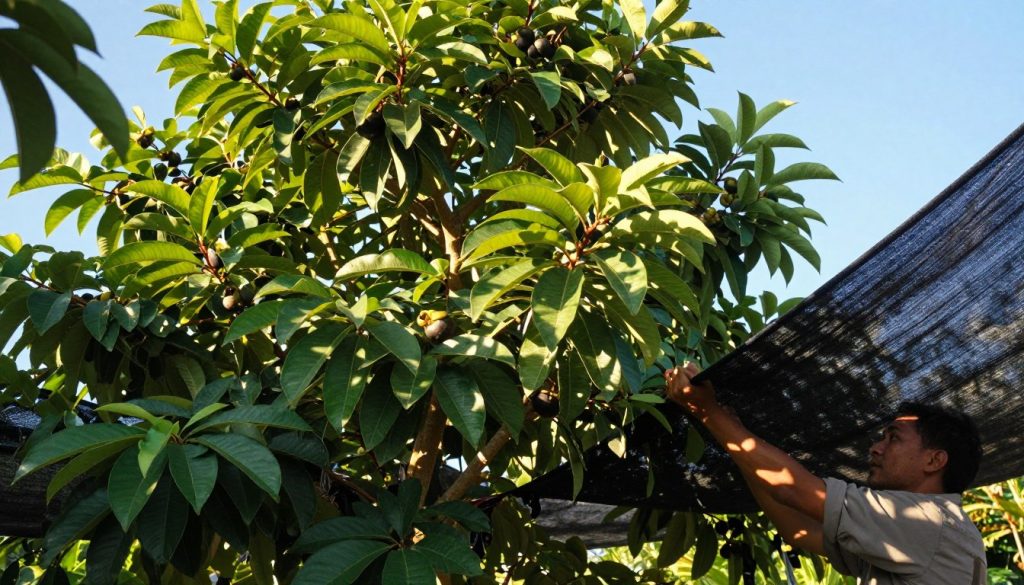
Young specimens need careful light balance during their first years in the yard.
Protect young trees from harsh midday sun for the first two to three years after planting. I use shade tarps or a patio umbrella over the root zone during the hottest parts of the day.
Proper light keeps leaves healthy. Filtered sunlight reduces leaf burn and preserves steady moisture in the soil. That also helps maintain the right humidity around the crown.
- Morning sun, afternoon shade works well for seedlings.
- Use temporary covers on very hot days or when temperatures spike.
- Watch how sunlight moves across the site each day before final placement.
| Stage | Recommended Exposure | Why it matters |
|---|---|---|
| Young trees (0–3 years) | Partial sun, filtered midday shade | Prevents leaf scorch and preserves soil moisture |
| Maturing tree | More full sun, still likes some filtered shade | Supports fruit set and strong canopy growth |
| Mature trees | Full sun tolerated; partial shade acceptable | Balances fruit production with leaf health |
With balanced sunlight and simple shade solutions, your mangosteen tree will establish steadily and set fruits in favorable conditions.
Pruning for Shape and Air Circulation
Pruning shapes a neat canopy and improves air movement through the branches. I trim with purpose so the mangosteen tree keeps a balanced form and strong framework.
Remove any broken or diseased branches right away. Cutting these away helps prevent infections and keeps other trees nearby healthy.
For older, unproductive specimens, I perform heavier pruning. That clears dead wood and sparks new shoots that can set fruits in later years.
Good cuts also open the canopy so light reaches inner leaves and small limbs. Better light and steady air circulation reduce fungal problems and boost resilience.
- Prune annually for a tidy shape and improved air flow.
- Take out broken or diseased wood as soon as you spot it.
- Use sharp, clean shears for precise cuts and faster healing.
Identifying and Treating Common Diseases
A quick visual check each week helps me catch problems before they spread. Spotting issues early protects the canopy and the future harvest of fruits.
Anthracnose Prevention
Anthracnose shows as black lesions and often makes flowers shrivel and drop. That can stop any mangosteen fruit from forming.
My routine: prune for open air, remove infected blooms, and apply an organic fungicide after cuts. Avoid overhead watering that wets flowers and leaves.
Thread Blight Management
Thread blight turns leaves brown in hot, humid summers, especially in shaded parts of the canopy. It is common in the southeastern United States.
I remove affected twigs, improve light and air flow, and keep mulch clear of the trunk. If fruit skin looks translucent after long wet periods, I treat the tree as stressed by fluctuating water and humidity.
| Issue | Key Sign | Action |
|---|---|---|
| Anthracnose | Black flowers, dropped blooms | Prune, organic fungicide, avoid wetting canopy |
| Thread blight | Brown leaves in summer | Remove twigs, increase air circulation, reduce shade |
| Root rot | Spoiled roots, wilting | Improve drainage, avoid waterlogged soil, consult a specialist |
Early detection and steady care keep my mangosteen tree healthy across the years. For a deeper species overview see the mangosteen profile, and for comparative planting notes consult this mango planting reference.
Dealing with Pests and Caterpillar Damage
Small, nocturnal caterpillars often hide in shaded crowns and chew new leaves down to the midrib. That sight is a clear sign of active pests on a mangosteen tree and calls for quick action.
I check my trees at dusk and dawn. Regular inspection catches infestations early and prevents heavy defoliation that can weaken the tree over years.
When you spot stripped leaves, use an insecticide that contains Bacillus thuringiensis. It controls caterpillars effectively and is safe for bees and many beneficial insects.
- Look for leaves reduced to midribs—this points to nocturnal feeders.
- Apply Bacillus thuringiensis following label directions for best results.
- Keep humidity and soil moisture steady; stressed trees are more prone to diseases and pests.
| Sign | Likely Cause | Action |
|---|---|---|
| Leaves eaten to midrib | Nocturnal caterpillars | Inspect nightly, apply Bt |
| Sparse canopy | Repeated defoliation | Improve water, shade, and care |
| Repeated pests | Poor vigor | Address moisture and nutrient needs |
Understanding the Long Wait for Harvest
A long-term planter knows this fruit often rewards patience more than speed.
Expect a long timeline. It can take up to 15 years before a young mangosteen tree gives a first meaningful yield.
I tell gardeners the typical window is about 8 to 15 years. That stretch tests patience and planning.
View the process as a multi-year journey. Daily care builds toward a reward that is rare in home gardens.
- Understanding that it can take years to see your first harvest is essential for any hopeful grower.
- The mangosteen tree is a long-term investment; steady care pays off later.
- Patience is the most important tool in your kit when working with these queen fruits.
My advice: prepare for the wait and enjoy each stage. Small milestones—leaf flushes, stronger trunks, and occasional blooms—mean the tree is moving toward the time it will bear fruit.
Harvesting Techniques for Perfect Fruit
I pick harvest time carefully. For me, timing and gentle handling protect a precious queen fruit.
Watch the skin: when about 25 percent or more turns purple, the fruit is usually ready. You can pick a slightly under-ripe piece if it is fully formed; it will finish ripening off the tree.
Use an orchard ladder and steady footing to reach high clusters. I cut each fruit from the branch rather than letting it fall; dropping bruises the skin and speeds decay.
- Cut fruit cleanly with a sharp tool; avoid pulling or twisting.
- Handle each fruit gently to prevent bruises that ruin flavor and shelf life.
- Pick from high branches using a ladder; don’t let fruit fall several feet.
After years of care, that first perfect mangosteen rewards patience. The sweet, tangy flavor is unmatched when the harvest is done right, and careful handling makes every bite count.
Can Tips for Growing Papaya Also Help in Growing Healthy Mangosteen Trees?
Tips for growing healthy papaya trees in containers can indeed benefit mangosteen trees. Both plants thrive in well-drained soil and require similar watering and sunlight conditions. By applying successful papaya growing techniques, gardeners can enhance the health and yield of their mangosteen trees, fostering a bountiful tropical garden.
Culinary Uses for Your Homegrown Bounty
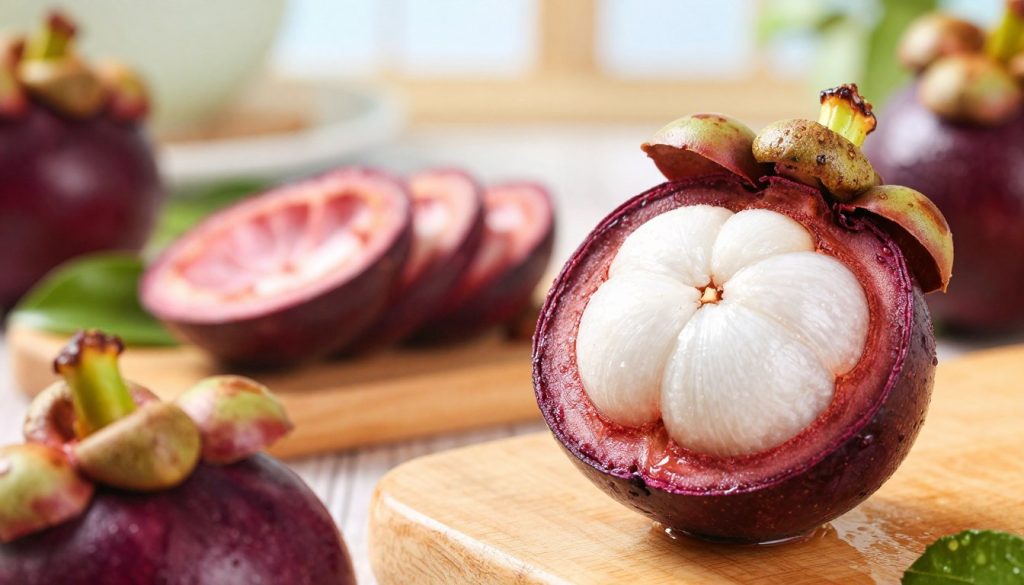
Freshly picked fruit from my tree brightens simple meals and sparks new recipe ideas. I begin by cutting around the circumference of the fruit and pulling the two halves apart. This exposes the white segments and makes serving easy.
The soft segments resemble orange or mandarin sections in form and texture. I enjoy them plain, chilled, or as a delicate topping for fruit salad. Their sweet-acid balance lifts a bowl without overpowering other fruits.
These queen fruits also play nicely in savory dishes. I add small segments to salads, pair them with grilled fish, or fold them into salsas for a bright finish. Juicing the flesh yields a fragrant, tropical drink that blends well with lime or ginger.
- Cut around the circumference, pull halves apart to reveal the parts inside.
- Use fresh in fruit salads or as a refined dessert garnish.
- Add segments to savory recipes or blend for a chilled beverage.
Sharing harvest with friends is a joyful reward. I love testing recipes and watching guests react to that unique, floral flavor from my trees.
Conclusion
, A patient gardener watches seasons pass while a young tree quietly builds strength.
I know this work asks for time and steady habits. Follow the tips here on climate, soil, watering, and pruning and your efforts will pay off.
Expect that it will take years before a full harvest. Treat each stage as progress and celebrate small wins like healthy leaf flushes and stronger trunks.
Sustainable care helps local ecology and gives your family a rare, delicious reward. I hope this guide empowers you to tend your trees with confidence and enjoy that eventual homegrown bounty.