

Ethan Brooks
Focused on sustainable practices, careful seed selection, and hands-on experience, our family work closely with nature to produce quality harvests while continuously learning and improving each year..
Latest Posts


Archive
Tags
Social Links
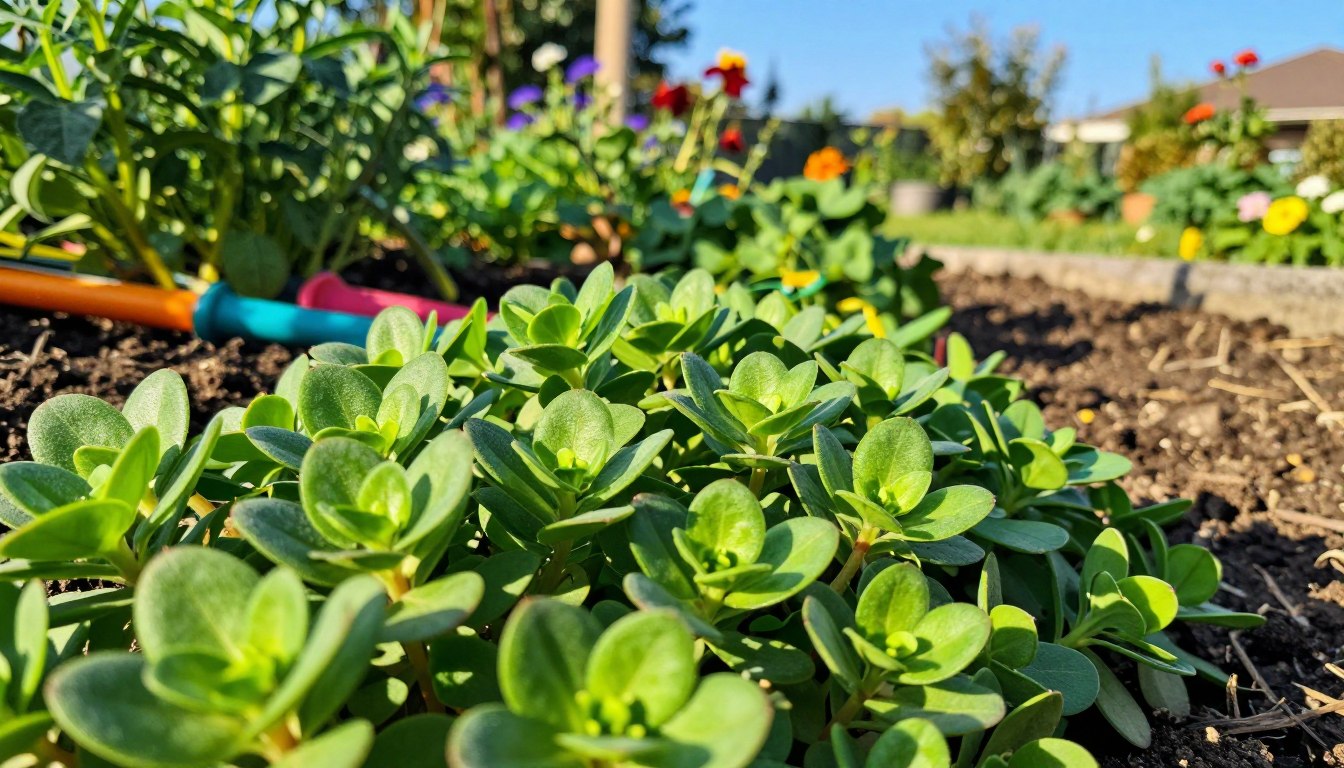

My garden journey began with spinach. It was my favorite leafy green for years. Then, I found a plant that changed everything.
Learning how to grow purslane became a rewarding adventure. Portulaca oleracea, its scientific name, was once a pesky weed to me. Now, I see it as a nutrient-packed superstar.
This resilient, succulent plant is incredibly easy to love. It thrives with minimal care. Your backyard space can become a source of fresh, healthy greens.
I want to share my simple methods with you. These tips will help your plants flourish. Even a beginner can have great success.
You can enjoy a bountiful harvest all season long. Let’s explore the simple steps to a lush and productive garden.
Key Takeaways
- Purslane, known as Portulaca oleracea, is a highly nutritious leafy green.
- It was often mistaken for a weed but is valued for its health benefits.
- The plant is succulent and very tough, making it simple to cultivate.
- Beginners can achieve great results with a few straightforward guidelines.
- It provides a reliable harvest throughout the entire growing season.
- Adding this plant diversifies your homegrown produce selection.
- Purslane can thrive in various conditions, even with little experience.
Introduction to Purslane and Its Benefits
My perspective on purslane shifted dramatically when I discovered its hidden nutritional treasures. This resilient plant offers benefits that many gardeners overlook.
Nutritional Perks and Health Benefits
Portulaca oleracea stands out as a nutrient-dense vegetable with exceptional omega-3 content. Its leaves provide alpha-linolenic acid, rare among garden plants.
This succulent variety delivers vitamins A, C, and E plus essential minerals. However, people prone to kidney stones should note its oxalic acid content.
My Journey with Growing Purslane
I once pulled this valuable plant from my garden beds, mistaking it for weeds while cultivating spinach. Learning about its benefits changed my approach completely.
Now I intentionally cultivate this amazing nutrient-packed vegetable in my garden. Its versatile leaves add nutrition and flavor to meals.
Understanding Purslane’s Growing Conditions
Getting the basics right makes all the difference for this succulent. My first attempts failed because I overlooked simple needs.
Creating the perfect environment ensures your purslane thrives with minimal effort.
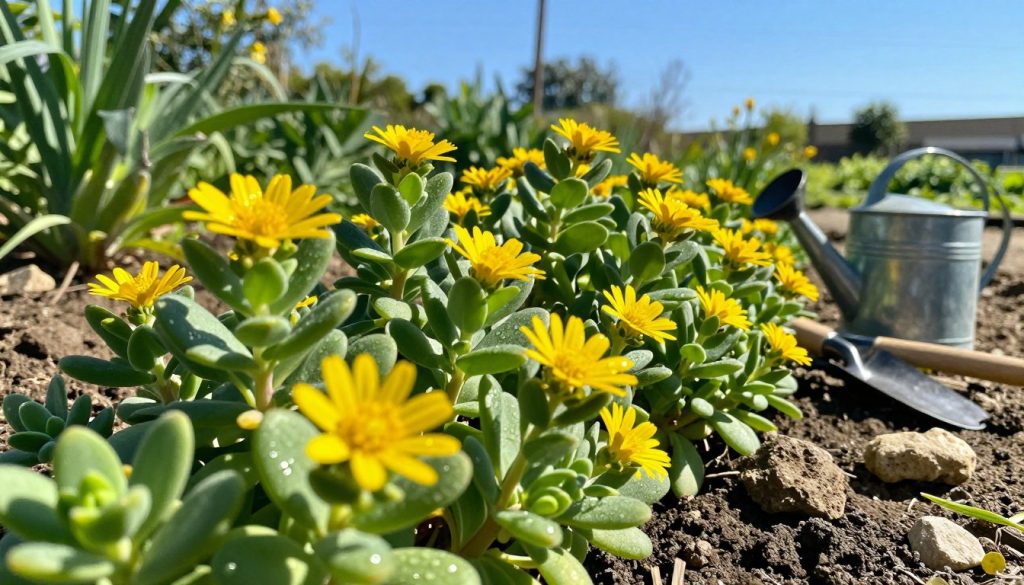
Ideal Soil, Sunlight, and Drainage
This resilient plant adapts to almost any soil. It loves free-draining ground and full sun exposure.
I avoid heavy, wet soil where roots might rot. Even poor-quality earth works well for these hardy plants.
Watering Tips and Temperature Guidelines
While drought-tolerant, occasional water during dry spells boosts leaf production. This simple tip enhances flavor too.
Warm weather suits it best. The first frost ends its season instantly.
Providing these conditions lets your purslane grows vigorously. These tips create ideal conditions for success.
How to Grow Purslane
This resilient plant offers one of the most straightforward planting experiences. I find its adaptability truly remarkable.
Planting Techniques and Optimal Timing
Direct sowing works best for this succulent. Late spring through summer provides ideal conditions.
I space rows about 12 inches apart in my garden beds. Covering seeds with just 1cm of soil ensures proper germination.
| Method | Best Time | Soil Depth | Spacing |
|---|---|---|---|
| Direct Sow | Late Spring | 1cm | 12″ rows |
| Container | Early Summer | 0.5cm | 8″ apart |
| Starter Pots | Mid-Spring | 1cm | 4″ cells |
Sowing, Thinning, and Maintenance Tips
Seedlings emerge quickly in warm ground. Thinning to 10cm apart gives plants room to flourish.
Harvest-ready leaves appear within 6-8 weeks. Minimal care keeps these plants productive all season.
End-season cleanup involves pulling plants for compost. Amazingly, seeds remain viable for decades.
Caring for Your Purslane Garden
Maintaining a purslane garden is surprisingly simple and rewarding. These resilient plants thrive with minimal intervention, making them perfect for busy gardeners.
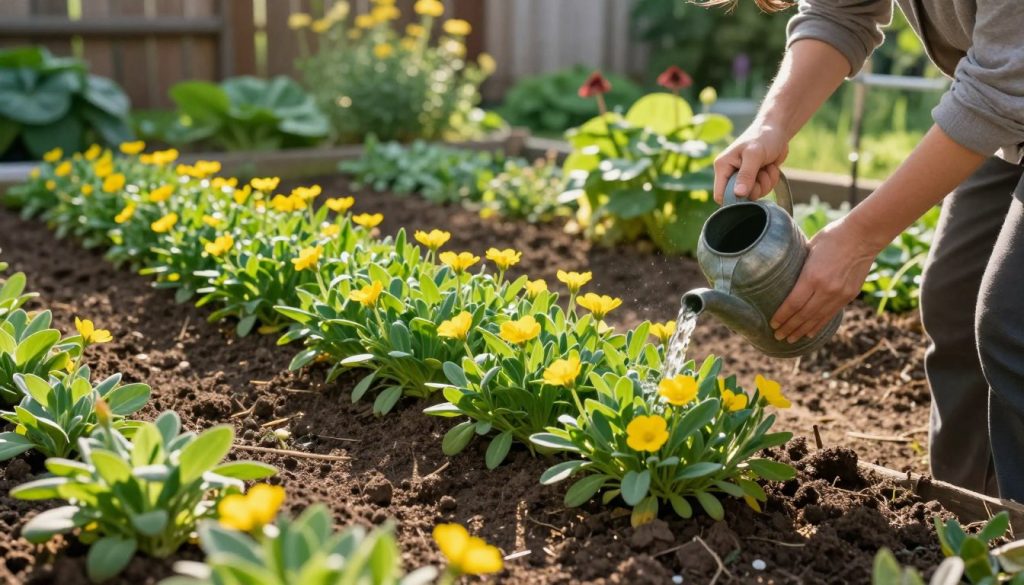
Fertilization, Weeding, and Troubleshooting
I rarely fertilize my purslane. It grows well in average soil without extra nutrients.
Weeding is seldom necessary. The plant spreads quickly, crowding out unwanted species.
Poor drainage causes the most issues. Ensure your soil is light and well-draining to prevent rot.
| Care Aspect | Recommendation | Frequency |
|---|---|---|
| Fertilization | Not required | Never |
| Weeding | Minimal needed | Occasionally |
| Drainage Check | Ensure soil is light | At planting |
Regular monitoring keeps your garden productive. Healthy leaves will be ready for harvest all season.
Harvesting and Culinary Uses of Purslane
Harvesting purslane brings me genuine joy every season. This versatile vegetable offers delightful culinary possibilities. Its crisp texture and unique flavor make it a garden favorite.
When and How to Harvest for Best Flavor
I always gather leaves early in the day. Morning harvest captures peak malic acid content. This gives the plant its signature tangy flavor.
Young stems and leaves taste best raw. After 6-8 weeks, older parts work well cooked. I sometimes transplant whole plants for continued growth.
Creative Recipes and Salad Ideas
This succulent adds refreshing crunch to salads. Its apple-like taste surprises many first-timers. I love experimenting with different preparations.
Raw leaves brighten summer salads perfectly. Cooked stems enrich soups and stir-fries. Every part of this plant brings nutrition to meals.
| Harvest Time | Plant Part | Best Use | Flavor Profile |
|---|---|---|---|
| Morning | Young Leaves | Raw Salads | Tangy, Crisp |
| 6-8 Weeks | Mature Stems | Cooked Dishes | Mild, Earthy |
| Any Time | Whole Plant | Transplanting | N/A |
My favorite perfectly purslane recipes showcase its versatility. This remarkable plant transforms ordinary dishes into extraordinary meals.
Can I Grow Purslane Alongside Cantaloupe for a Thriving Garden?
Growing purslane alongside cantaloupe can be beneficial for your garden. This low-maintenance herb not only enhances soil health but also provides ground cover, reducing weed competition. To ensure the best results, consider the optimal cantaloupe planting times for gardeners to maximize your harvest while enjoying the perks of companion planting.
Growing Purslane in Containers and Small Spaces
My balcony became a thriving garden when I discovered container gardening. This method works perfectly for purslane cultivation in limited areas.
Even urban dwellers can enjoy fresh greens with this space-saving approach. The Portulaca oleracea adapts beautifully to potted life.
Container Setup and Planting in Pots
Choosing the right container makes all the difference. A 12-inch pot comfortably holds six 4-inch plants.
I always use quality potting soil with excellent drainage. These succulent plants dislike waterlogged roots during hot summer days.
| Container Size | Plant Capacity | Soil Type | Drainage Needs |
|---|---|---|---|
| 12-inch Pot | 6 Plants | Potting Mix | High |
| 8-inch Pot | |||
| Hanging Basket | 4 Plants | Light Soil | Moderate |
| Window Box | 8 Plants | Potting Mix | High |
Seasonal Care and Winter Considerations
Potted plants need more frequent watering than those in the ground. I water twice weekly and use balanced fertilizer during the growing season.
Those trailing stems create stunning hanging baskets. In colder zones, move containers to protected areas before winter.
Indoor relocation near sunny windows extends the harvest. You can enjoy fresh leaves year-round with this simple method.
Conclusion
Embracing purslane cultivation has been one of my most satisfying gardening decisions. This nutrient-packed vegetable transforms any garden into a source of fresh, healthy greens.
Following simple tips on soil and watering ensures your plants thrive all summer. You’ll enjoy a continuous harvest of crisp leaves and tender stems.
Whether planted in the ground or containers, this adaptable plant requires minimal care. Its seeds remain viable for years, promising future bounty with little effort.
I encourage you to start your own patch today. Experience the unique flavor and health benefits this remarkable purslane provides.