

Ethan Brooks
Focused on sustainable practices, careful seed selection, and hands-on experience, our family work closely with nature to produce quality harvests while continuously learning and improving each year..
Latest Posts


Archive
Tags
Social Links
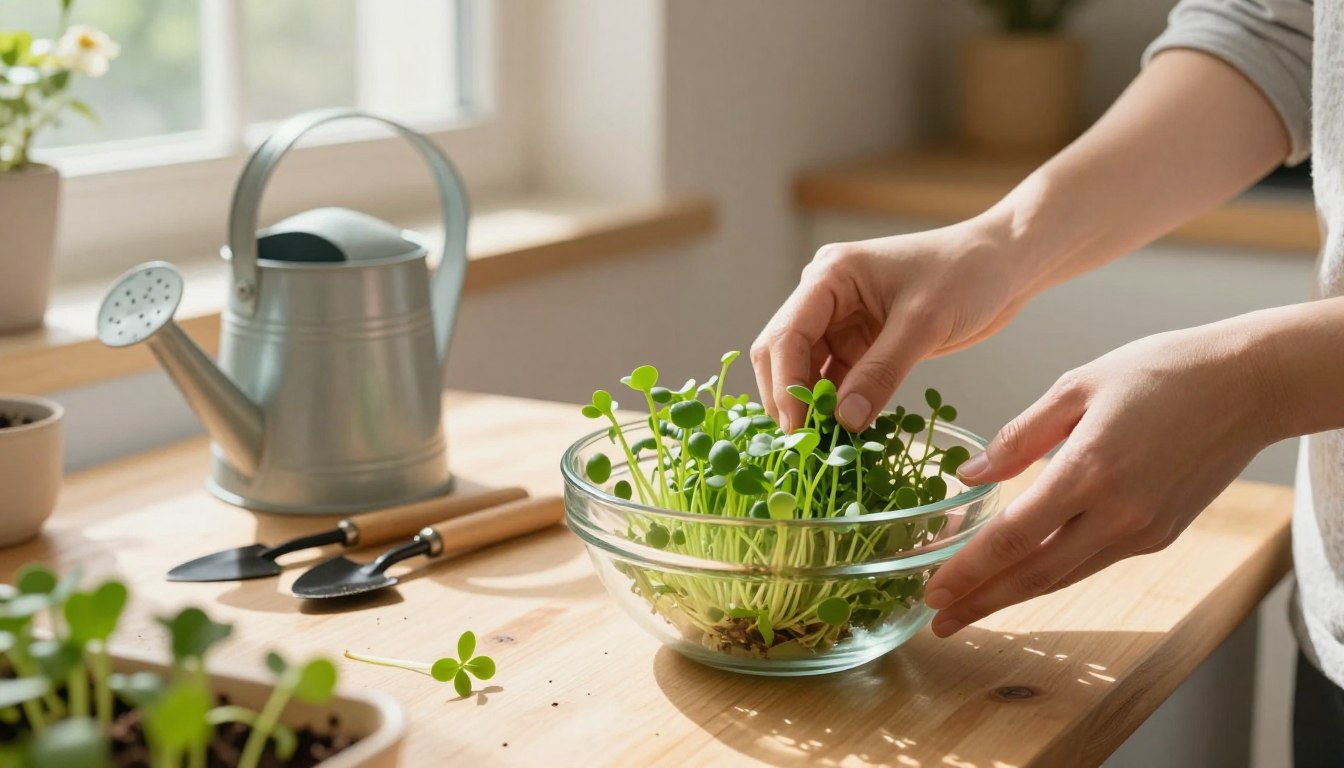

Have you ever wanted a fresh, peppery green right from your own space? I’m here to show you it’s easier than you think. This guide gets you started with how to grow watercress successfully.
My own journey with this plant has been incredibly rewarding. Experts like Trudy Kendrick and Dan Drost from Utah State University Extension confirm it’s a sun-loving aquatic species. Their April 2020 fact sheet is a great resource.
This leafy green is a nutrient powerhouse. It thrives with just a little attention. You can enjoy its crisp, fresh flavor in your meals every day.
I’ve simplified the entire process for you. Even if you’re new to gardening, you can do this. Let’s turn a corner of your home into a source of healthy food.
Key Takeaways
- Watercress is a nutritious, perennial plant that loves sun and water.
- It is classified as an aquatic species, perfect for damp conditions.
- Growing it at home is a straightforward process, ideal for beginners.
- You can manage it easily to produce fresh greens year-round.
- Having a constant supply adds a healthy, flavorful punch to your dishes.
- The process is rewarding and brings garden-fresh produce to your kitchen.
- With simple steps, your home can become a productive gardening space.
Introduction to My Watercress Journey
Watercress cultivation became my surprising passion after one simple experiment. This perennial plant thrives naturally along waterways, but I discovered it adapts beautifully to container gardening at home.
My Personal Experience with Watercress
My journey began with a small container setup on my patio. These plants proved incredibly resilient and low-maintenance. They quickly became the most rewarding part of my gardening routine.
Even during busy weeks, my watercress continued flourishing. The therapeutic process of nurturing these vibrant greens brought me daily joy. Fresh, peppery leaves became a regular addition to my meals.
The Benefits of Growing Watercress at Home
Cultivating your own supply offers remarkable advantages. You gain complete control over food quality and freshness. Homegrown watercress far surpasses store-bought alternatives in flavor and texture.
| Aspect | Store-Bought | Homegrown |
|---|---|---|
| Freshness | Often wilted | Just harvested |
| Flavor | Mild | Peppery & robust |
| Nutrition | Diminished | Maximum potency |
These plants fit perfectly into any gardening space, indoor or outdoor. The satisfaction of harvesting your own nutritious greens is truly unmatched. It’s an accessible way to enhance your diet with minimal effort.
Understanding Watercress: Plant Basics and Varieties
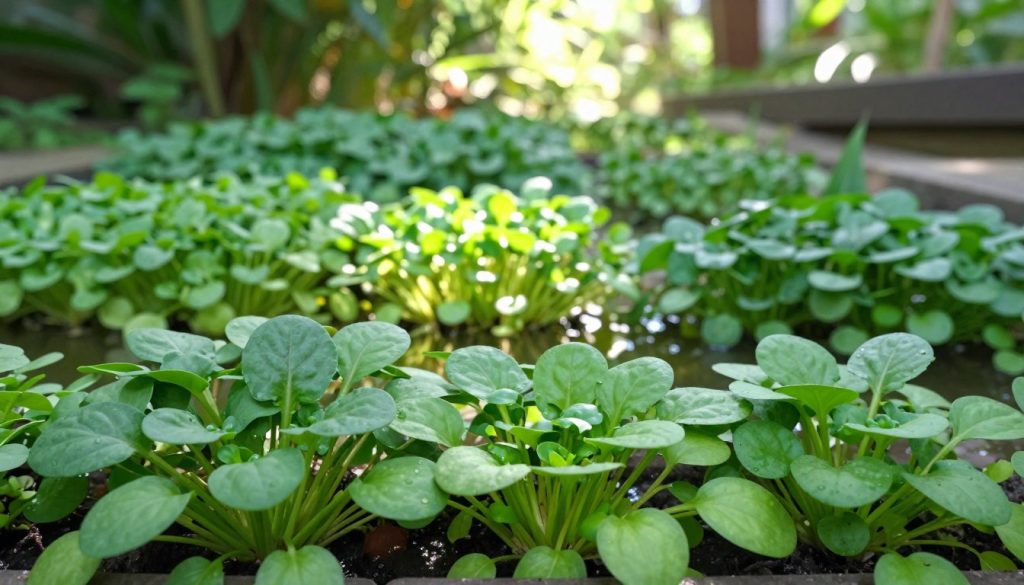
Exploring the fascinating world of watercress reveals its unique characteristics. This amazing plant, scientifically known as Nasturtium officinale, thrives in specific conditions. I’ve learned it prefers soil with a pH between 6.5 and 7.5 for optimal growth.
Overview of Watercress Varieties
Several distinct types exist beyond the common perennial variety. Garden Cress is an annual plant that grows quickly. Wintercress is a biennial type that produces delicate white flowers.
Each variety has adapted to different environments. Some prefer wetter conditions while others tolerate drier areas. These plants offer diverse options for home cultivation.
Culinary and Medicinal Uses
This versatile vegetable brings peppery flavor to many dishes. European cuisine especially values its robust taste in salads. The National Institutes of Health recognizes its medicinal properties as an herbal remedy.
Its nutritional benefits make it a valuable addition to any diet. Fresh leaves provide maximum flavor and health benefits. This herb continues to surprise me with its versatility.
Step-by-Step Guide on how to grow watercress
Getting started with this vibrant green requires just a few simple decisions. I found success by focusing on location and proper planting methods from day one.
Choosing the Right Location and Containers
Selecting an appropriate spot makes all the difference. This plant thrives in consistently moist environments with partial sunlight.
My favorite containers are shallow trays with good drainage. They allow roots to spread while maintaining essential moisture levels.
Planting Techniques for Beginners
Begin by sowing your seeds 1/4 inch deep into rich soil. This timing typically falls three weeks before your area’s final frost date.
Space young plants about 8 inches apart for healthy development. Stem cuttings offer another excellent propagation method.
Germination occurs best in cool conditions between 50-60°F. These simple techniques ensure a strong start for your garden project.
Soil, Water, and Fertilization: Creating Optimal Conditions
Your success with this peppery green depends on replicating its natural aquatic environment at home. I found that getting these three elements right makes all the difference in achieving vibrant, healthy plants.
Soil Preparation and Amendments
Proper soil preparation begins with working fertilizer into the top 6 inches. I add about 1 inch of compost per 100 square feet, creating rich, fertile conditions.
Maintaining a consistent pH between 6.5 and 7.5 proved crucial for long-term plant health. This balanced environment supports robust growth.
Watering Methods and Tips
Since watercress is an aquatic species, keeping roots submerged is essential. I change container water once or twice weekly to maintain freshness.
Consistent moisture prevents roots from drying out. According to Utah State University Extension, shallow moving water creates ideal growing conditions.
Feritlization Guidelines and Nutrient Insights
When I noticed yellowing leaves indicating iron deficiency, mixing complete soluble fertilizer into water helped. This addresses nutrient imbalances effectively.
Proper fertilization prevents stunted, dark-colored plants from phosphate deficiency. Regular monitoring ensures optimal nutrition.
Managing Pests and Other Growing Challenges
Keeping your garden healthy requires attention to potential problems. I’ve faced various issues while cultivating my favorite greens. These challenges are manageable with simple solutions.
Identifying and Controlling Common Pests
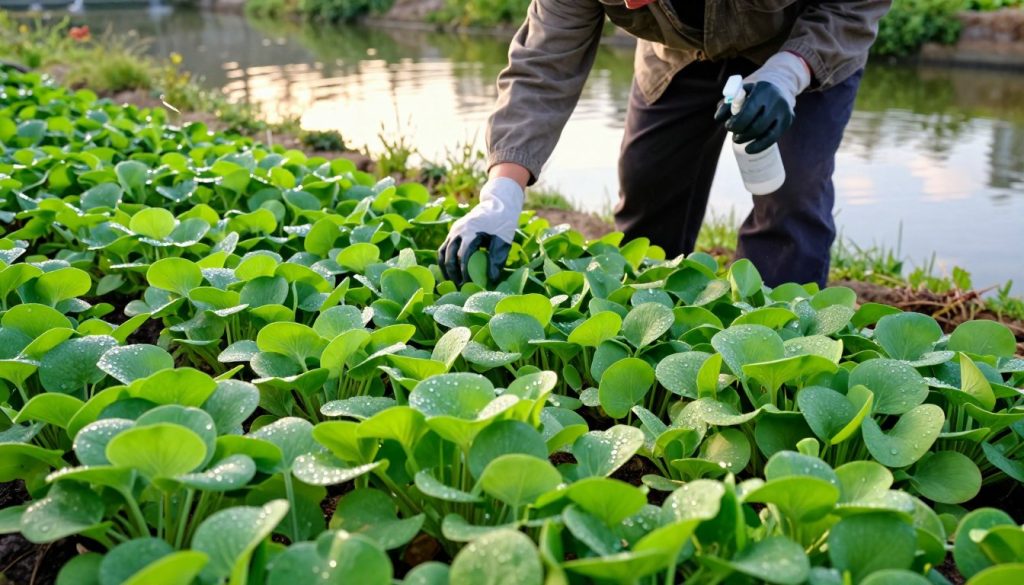
Whiteflies often hide beneath leaves. I control them using insecticidal soap sprays. This method keeps my plants safe without harsh chemicals.
Snails love moist environments. They can damage your garden quickly. Hand-picking them works well for me.
Spider mites cause leaf discoloration. Their natural enemies include lady beetles. Introducing predatory mites helps control these pests.
Weed Management and Garden Maintenance
Weeds compete with your plants for nutrients. I keep the area clear of debris. Light mulching maintains soil moisture effectively.
Watch for flowering signs carefully. The vegetable flavor decreases after blooming. Harvest stems immediately when flowers appear.
| Pest | Signs | Control Method |
|---|---|---|
| Whiteflies | Under leaves | Soapy water spray |
| Snails | Chewed leaves | Hand picking |
| Spider Mites | Discolored leaves | Predatory insects |
Regular monitoring makes pest control easier. Healthy plants resist problems better. Good maintenance keeps your garden thriving.
Harvesting, Storing, and Enjoying Your Watercress
Reaping the rewards of your gardening efforts brings immense satisfaction. The moment you gather those fresh, vibrant greens makes every bit of care worthwhile.
Timing Your Harvest for Peak Flavor
I always wait for dime-sized dark green leaves before harvesting. This ensures maximum flavor and nutrition. The perfect time comes during cooler spring and fall seasons.
Cut stems back to 4 inches tall after harvesting. This encourages regrowth for another round. Warm temperatures above 85°F diminish the peppery taste.
Simple Recipes and Culinary Uses
Fresh watercress transforms ordinary meals into extraordinary experiences. My favorite salad combines these leaves with citrus segments and walnuts.
These recipes highlight the plant’s nutritional benefits. Soups gain incredible flavor from added greens. Refrigerated leaves stay fresh for about a week.
Proper storage maintains quality for several weeks. Enjoy your harvest in various delicious preparations.
Can I Use Similar Techniques to Grow Watercress and Turnip in My Garden?
Growing watercress alongside turnips can enhance your garden’s productivity. By using the right methods, you can cultivate both effectively. Explore online resources that provide detailed “stepbystep turnip growing techniques” to ensure your turnips thrive, while also creating a suitable environment for watercress to flourish.
Innovative Indoor Gardening: Embracing Modern Systems
Technology has transformed my approach to cultivating fresh greens indoors. Modern gardening systems offer incredible solutions for urban dwellers and busy plant lovers.
These automated setups create perfect environments for various plants. They eliminate traditional challenges like soil mess and constant watering.
Exploring Gardyn’s Home Gardening Solutions
Gardyn’s Home Kit 3.0 uses innovative yCubes instead of soil. This system provides optimal conditions for vegetable and herb growth.
LED lights mimic natural sunlight spectrum perfectly. They promote healthy foliage development through efficient photosynthesis.
The automated watering system maintains ideal moisture levels. It replicates stream conditions that many plants love.
My Experience with Automated Indoor Gardening
My Gardyn system produces vibrant watercress year-round. I enjoy fresh leaves regardless of outdoor weather.
Planting seeds or cuttings becomes remarkably simple. The controlled environment ensures consistent growth and flavor.
Automated care features save significant time. I focus more on harvesting than maintenance.
This modern approach makes indoor gardening accessible to everyone. Fresh, peppery greens are always within reach.
Conclusion
Embarking on this journey with a simple aquatic plant has been incredibly fulfilling. It provides a constant, fresh supply of nutritious leaves right from your home. This gardening project is both simple and deeply rewarding.
Success comes from providing the right environment. Whether in a traditional garden bed or a modern indoor container, consistent moisture and basic care are key. Your plants will thrive with this attention.
I hope you feel inspired to start your own patch of this versatile vegetable. The peppery flavor it adds to a salad or sandwich is a fantastic payoff. Happy harvesting!