

Ethan Brooks
Focused on sustainable practices, careful seed selection, and hands-on experience, our family work closely with nature to produce quality harvests while continuously learning and improving each year..
Latest Posts


Archive
Tags
Social Links
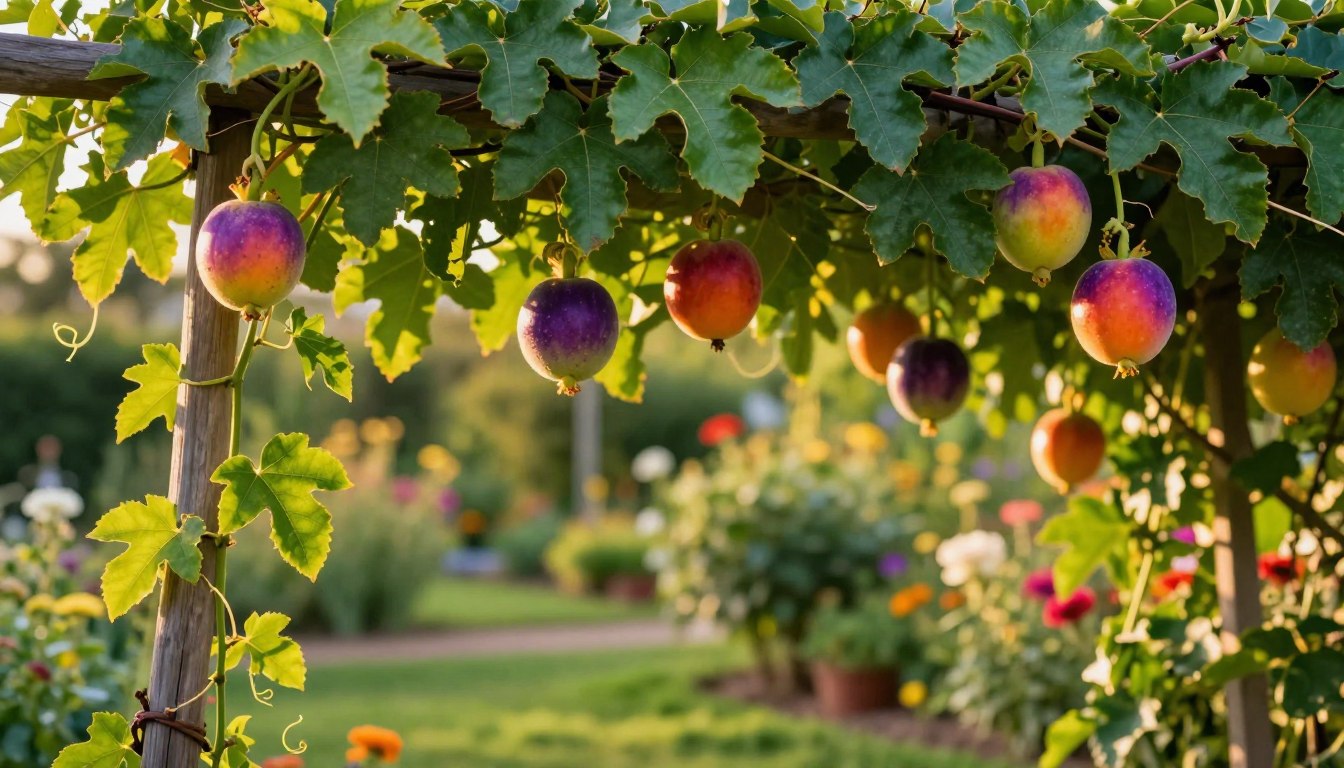

Dreaming of exotic, fragrant vines laden with sweet fruit in your backyard? You’re in the right place. This is your complete how to grow passion fruit guide. The name itself has a deep history. Spanish missionaries named it for the “passion” of Christ they saw in the flower.
I’ve created this resource to simplify the process. Cultivating these tropical climbers is a deeply rewarding journey. My goal is to turn your garden into a productive sanctuary.
Whether you’re new to gardening or have years of experience, these instructions will help. You’ll learn to manage your vine for a maximized harvest. Let’s get started on this exciting project together.
Key Takeaways
- This guide simplifies tropical vine cultivation for any skill level.
- The plant’s name has a fascinating historical origin.
- Proper care turns your garden into a productive, fragrant space.
- Effective management leads to a larger harvest.
- Following clear steps ensures your vine thrives.
- The journey of growing this fruit is highly rewarding.
Introduction
There’s a special joy in cultivating a plant that offers both stunning visual appeal and delicious rewards. I believe every home landscape deserves at least one of these vigorous vines. Its lush foliage and intricate flowers create a tropical paradise right outside your door.
The process asks for some patience. Your dedication, however, pays off spectacularly. Nothing compares to plucking a ripe, aromatic passion fruit from your own yard.
Over many seasons, I’ve honed techniques to help vines flourish. My methods tackle common issues like tricky weather and less-than-ideal soil. This guide provides a clear path from choosing your first plant to savoring the harvest.
Let’s embark on this rewarding journey together. We’ll focus on the care and passion needed to transform your outdoor space into a lush, productive sanctuary.
Passion Fruit Botany and History
The story of the passion fruit is as rich and layered as its flavor. I find its journey from wild vine to garden treasure truly inspiring. Let’s explore the roots and remarkable features of this captivating plant.
Origin and Cultural Significance
This vine is native to South America. Regions like Brazil and the West Indies are its original home. Spanish missionaries gave the flowers their symbolic name.
They saw the five petals and sepals as representing the five wounds of Christ. This connection to the passion story is deeply woven into its history.
Indigenous tribes have long valued different passiflora species. For centuries, they used the leaves as a natural calming tonic. This traditional knowledge highlights the plant’s cultural importance beyond its fruit.
Key Botanical Characteristics
The passiflora genus is vast, containing about 550 different species. Most hail from tropical areas in Central and South America. The plant is a nutritional powerhouse.
It offers excellent amounts of vitamins A and C. It also provides key minerals like potassium and iron. The structure of its flowers is a botanical marvel.
They feature a complex corolla and a superior ovary. This unique design makes them a standout in any garden collection.
Selecting the Ideal Passion Fruit Variety for Your Garden
Your garden’s success begins with selecting the perfect passion fruit cultivar. With several options available, this choice shapes your vine’s flavor, hardiness, and yield.
I always advise gardeners to start by understanding the two main types. Your local climate and taste preferences will guide you best.
Purple vs. Golden: Pros and Cons
The classic purple passion fruit, Passiflora edulis, is widely loved. It produces sweeter fruits with a rich, aromatic pulp. This species is a top pick for many home gardens.
Its golden cousin, P. edulis var. flavicarpa, offers different benefits. The yellow form has a tangier, more acidic taste. It shows strong resistance to common soil diseases.
However, it is less tolerant of cold snaps. Consider a hybrid plant if you want the best of both worlds. These blends offer great flavor and robust health.
Visit a trusted nursery to see the fruits and cultivars up close. The size and shape can vary, so choose what excites you most for your space.
Preparing the Soil and Site for a Thriving Garden
A thriving passion fruit vine starts with the right foundation beneath it. I focus on two critical elements: the soil it grows in and the spot you choose in your garden.
Soil Requirements and Drainage Tips
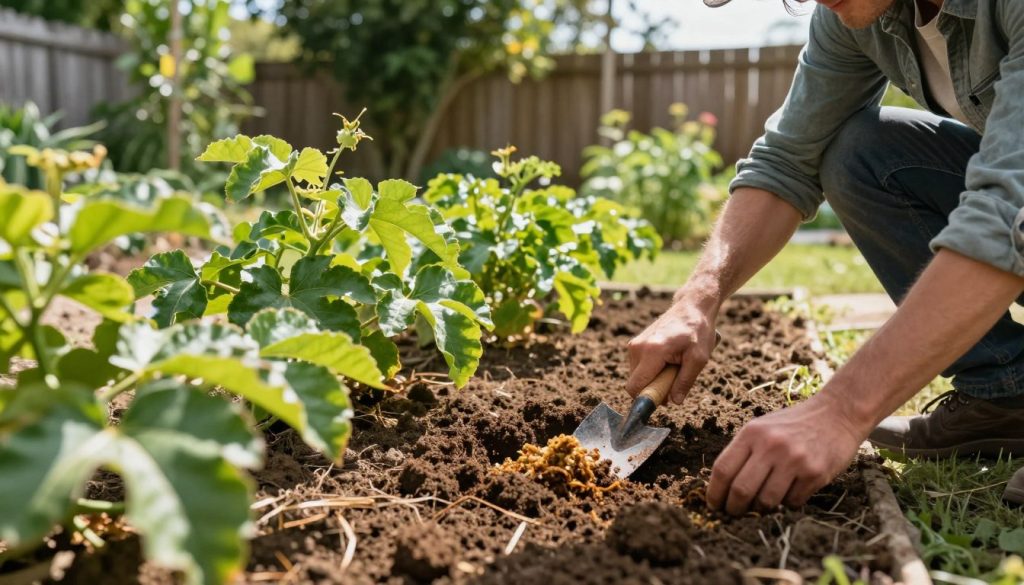
Your vine’s health depends on its soil. Aim for a pH between 6.5 and 7 for optimal nutrient absorption. Fast drainage is non-negotiable.
These plants are highly susceptible to root rot in soggy conditions. If your garden has heavy clay, build raised mounds. This protects the shallow roots from waterlogging.
Optimal Site Selection and Sun Exposure
These vines love full sun. Position them to receive plenty of light for strong growth. Inland areas with intense, dry heat require some afternoon shade.
Your local climate matters greatly. Ideal temperatures range from 68 to 82 degrees Fahrenheit. This range encourages the most vigorous production.
How to Grow Passion Fruit With Proven Techniques
Getting your passion fruit off to a strong start sets the stage for years of abundant harvests. I rely on a combination of smart planting and a clear, repeatable method. This approach ensures your plants establish quickly and thrive.
Planting Strategies and Vine Establishment
Always select a location that is completely free from frost. This gives your young seedlings the best possible beginning. These are incredibly vigorous plants.
Once settled, a single vine can expand 15 to 20 feet in a single season. Install a robust trellis or fence right at planting time. Handle the root system with extreme gentleness to prevent shock.
Step-by-Step Growing Method
If starting from seed, always use fresh seeds for reliable germination. They sprout in just weeks, while older ones can languish for months. Your growth journey begins here.
Even gardeners in cooler climates can succeed. Established vines tolerate brief dips to 21°F with proper shelter. This hardiness makes the passion for cultivating them accessible to many.
Follow these steps with care, and you’ll watch your vine flourish. The reward is a lush, productive addition to your garden.
Watering, Fertilizing, and Feeding Your Passion Fruit Vines
Proper nourishment transforms a young vine into a prolific producer. I focus on two key practices: consistent hydration and targeted feeding. These elements work together to support vibrant leaves and abundant fruit.
Nutrient Management and Fertilization Schedule
Your plant thrives on a balanced diet. I recommend a slow-release fertilizer applied in early spring. This provides essential nutrients for healthy growth.
Be cautious with nitrogen-heavy formulas. Too much encourages leafy growth at the expense of fruit production. Your goal is a harmonious balance.
Deep weekly water sessions are crucial during summer. This ensures moisture reaches the entire root system. Avoid shallow sprinkling that leads to weak roots.
Watch for yellowing leaves between the veins. This often signals a nutrient deficiency or cold soil. Address these signs promptly for continued health.
| Season | Fertilizer Type | Water Frequency |
|---|---|---|
| Spring | Balanced Slow-Release | When topsoil is dry |
| Summer | Low Nitrogen Blend | Deeply once per week |
| Fall | Potassium Boost | Reduce gradually |
Consistent care creates a thriving vine. Your attention to these details makes all the difference. The reward is a garden filled with delicious passion.
Training and Supporting Vines for Optimal Growth
A well-supported vine is key to a bountiful harvest and healthy plant. Proper guidance from the start ensures your climbers develop strong structure and produce abundantly.
Using Trellises and Fences Effectively
Training your passion fruit along a sturdy support is one of the best tips for managing its rapid climb. I always use soft ties to gently secure tendrils to the structure. This encourages natural attachment over time.
My favorite method involves a horizontal wire system. This setup improves air flow around the foliage. Better circulation prevents fungal issues that can harm your vine.
Ensure your chosen fence or trellis can handle heavy weight. A mature plant laden with fruit becomes quite substantial. Strong supports prevent collapse during peak production.
Keeping the growth elevated offers multiple benefits. It protects developing passion fruit from ground pests. Harvesting becomes cleaner and simpler when fruits hang freely.
For detailed guidance on structures, visit this comprehensive resource. It covers various support options suitable for different garden setups.
Pruning and Maintenance to Boost Productivity
Keeping your vines healthy and productive requires regular attention. Proper care ensures vigorous growth and excellent fruit yields season after season.
Pruning Best Practices for Vigor and Fruit Set
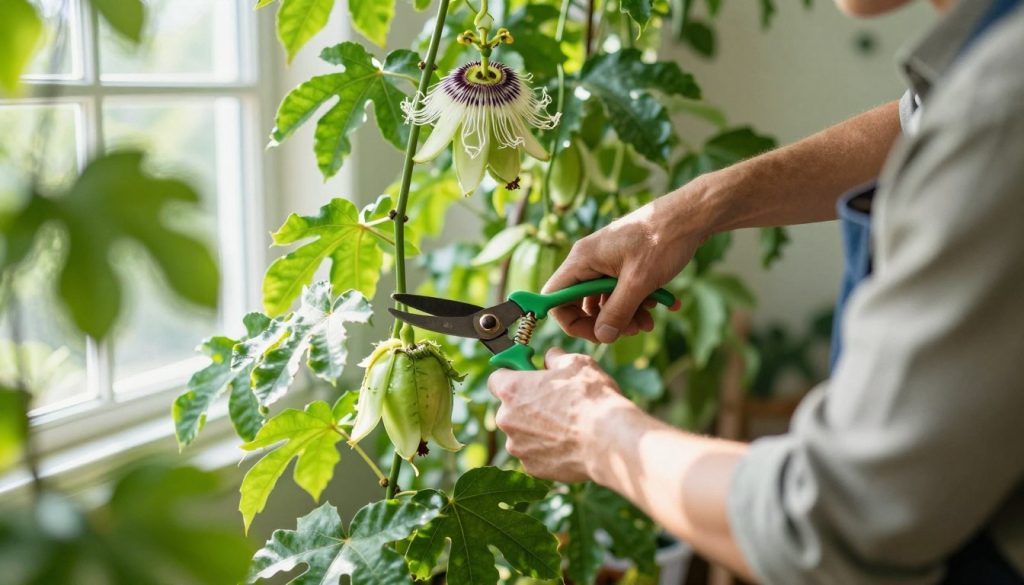
I always perform pruning in early spring. This timing removes dead wood and stimulates fresh growth. It prepares the plant for its main fruiting period.
Cut back healthy branches by about one-third. This keeps the vine manageable and improves air flow. Better circulation prevents disease and supports robust production.
Use sharp, clean tools for every cut. This prevents disease spread and helps wounds heal quickly. A well-maintained vine is a happy vine.
These plants typically live for five to seven years. Plan to replace them periodically for a consistent harvest. After the main season, do a thorough cleanup prune.
This maintenance sets the stage for next spring. Your dedication keeps the garden thriving for many years.
Troubleshooting and Preventing Common Plant Issues
Even with the best care, your garden might face some challenges. I’ve encountered several issues over the years and want to share practical solutions.
Identifying Root Rot, Pests, and Other Challenges
One serious threat is root rot, often showing as large straw-colored patches on foliage. These burned-looking areas indicate trouble below the soil.
If you notice mottled leaves, it could be a virus spread by aphids. Unfortunately, this often requires removing the entire plant to protect others.
I suggest monitoring closely in humid areas where fungal infections thrive. Regularly check under leaves for pests like thrips or snails that can quickly damage young growth.
For prevention, ensure good drainage and consider treatments if you suspect soil pathogens. Healthy practices keep your garden thriving.
Enhancing Pollination and Fruit Set Naturally
Creating the perfect environment for pollination makes all the difference in your harvest. Warm, humid conditions are ideal for this process.
Your garden needs bees to move pollen between flowers. The pollen is too sticky for wind to carry. Planting herbs and bright flowers nearby attracts these essential pollinators.
Hand Pollination Techniques and Bee Attraction
Sometimes nature needs a helping hand. If your vine has flowers but no fruit, try hand pollination.
Use a small brush to transfer pollen between flowers. This simple technique often solves production issues.
Watch out for extreme weather. Torrential rain or excessive heat can disrupt pollination. Protecting your plants ensures better results.
Harvest time comes about seven to eight weeks after flowering. The fruit is ripe when its skin becomes wrinkled.
| Pollination Method | Best Conditions | Time to Harvest |
|---|---|---|
| Bee Pollination | Warm, humid weather | 7-8 weeks |
| Hand Pollination | Dry, calm days | 7-8 weeks |
| Natural Attraction | Diverse plantings | Consistent yield |
Following these natural methods supports a successful fruit set each season. Your efforts will be rewarded with abundant harvests.
Can Tips for Growing Bananas Help Me Grow Passion Fruit Successfully?
While tips for growing bananas primarily focus on nurturing a healthy banana plant care routine, some practices can overlap with passion fruit cultivation. Both fruits thrive in well-drained soil and benefit from regular watering. Implementing these techniques can enhance your chances of successfully growing vibrant passion fruit alongside bananas.
Creative Uses for Passion Fruit in the Kitchen
After harvesting your tropical treasures, the real fun begins in your kitchen. The tart-sweet flavor opens up endless possibilities for delicious treats.
Delicious Passion Fruit Cocktail Recipe
My favorite way to celebrate a good harvest is with a refreshing drink. The pulp and seeds add wonderful texture and flavor.
For a simple cocktail, combine the following:
- Scoop fresh pulp into a shaker
- Add sugar and your choice of spirit
- Shake vigorously with crushed ice
- Strain into a glass with sugared rim
This creates a perfect balance of sweet and tart notes. The seeds provide a satisfying crunch.
During winter months, use frozen pulp from your summer bounty. Store it in small containers for year-round enjoyment.
Conclusion
Transforming a simple space into a lush, fruit-bearing sanctuary is a deeply fulfilling achievement. This endeavor brings beauty and health to your home landscape.
Understanding the unique needs of these plants is essential. From soil preparation to pollination habits, each detail supports a thriving vine.
I hope you feel confident starting your own journey. Patience is key, as roots need time to establish before a bountiful harvest arrives.
The joy of picking your own fresh fruit is worth every effort. This reward comes whether you plant in the ground or a large container.
Keep observing your garden and learning from each season. Share the passion for these magnificent vines with friends and family.