

Ethan Brooks
Focused on sustainable practices, careful seed selection, and hands-on experience, our family work closely with nature to produce quality harvests while continuously learning and improving each year..
Latest Posts


Archive
Tags
Social Links


I grow vegetables in my small backyard and I learned fast that the right feed makes a big difference. Best Fertilizer for Eggplant gives clear results: bigger fruits, healthier plants, and more harvests through the season.
I found eggplants are heavy feeders that need steady nutrients to thrive. When I switched to a balanced plan, my garden started producing glossy, full fruits more often.
I’ll walk you through what worked for me and how to pick options that fit your soil and schedule. This short guide will save time and help you get the most from each plant.
Key Takeaways
- Eggplants need steady nutrients to reach full yield.
- Choosing the right feed improved my harvest quickly.
- A balanced approach keeps fruits glossy and healthy.
- Adjust feeding to soil and season for best results.
- My simple routine made the garden more productive.
Understanding Why Eggplants Are Heavy Feeders
Eggplants demand more nutrients than many other garden vegetables. I learned this after a few seasons of small fruit and slow growth. These plants use lots of food to build stems, leaves, flowers and the glossy fruit we want.
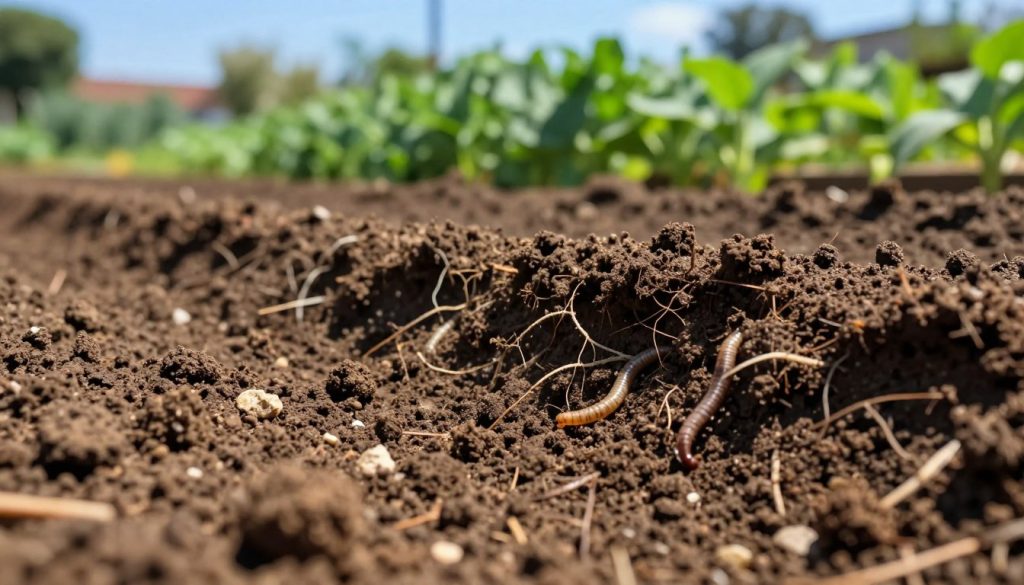
I make sure my soil is rich in organic matter before planting. A healthy soil base helps steady growth through the growing season. It also gives the roots constant access to essential nutrients.
Consistent feeding keeps each plant strong. I follow a repeating schedule so eggplants do not stall or drop flowers. Many experts, including the National Garden Bureau, stress that fertilizing supports overall plant health and larger harvests.
- I prep soil early with compost and aged manure.
- I check how different varieties respond and adjust my schedule.
- For tips on timing and methods, I follow guides like how to fertilize eggplants.
Preparing Your Soil for Optimal Growth
Good crops begin with a simple step: testing the soil to learn what it really needs. I start each season by checking pH and nutrient levels so my plants get the right care from day one.
Testing Your Soil pH
I follow Christy Wilhelmi’s advice and perform a soil test at the start of the season. Eggplant prefers slightly acidic ground, about pH 5.5 to 7.0, which helps the roots uptake phosphorus and potassium.
Test kits or a lab report tell me if I need amendments. Knowing this saves time and prevents common diseases tied to poor nutrient balance.
Amending with Organic Matter
I work compost and aged manure into the top soil several weeks before planting. This improves texture and supplies steady nitrogen as it breaks down.
Benefits I see:
- Better root development and stronger growth.
- Improved water retention and fewer nutrient swings.
- Reduced disease pressure and healthier leaves.
Selecting the Best Fertilizer for Eggplant
Picking the right nutrient mix helped my eggplants move from spindly to sturdy fast. I check the soil and plan a feed that fits each growth stage.
Balanced options like a 10-10-10 product give equal nitrogen, phosphorus, and potassium. That mix supports early growth and steady fruit set without pushing too much leafy growth at the expense of blooms.
Choosing Between Organic and Synthetic Options
I read NPK labels and match them to my soil test. When I want steady, long-term improvement, I use compost or aged manure. For a phosphorus boost, bone meal adds calcium and helps prevent blossom end rot.
- I use a balanced fertilizer at planting to help roots and early growth.
- Bone meal is my go-to organic source of phosphorus during transplanting.
- Synthetic fertilizers give a quick nutrient release when plants need a fast pick-me-up.
| Type | Key Benefit | When I Use It |
|---|---|---|
| Balanced 10-10-10 | Even N-P-K for steady growth | At planting and early stage |
| Bone meal | High phosphorus and calcium | Transplanting and bloom set |
| Compost / Manure | Slow-release nutrients and better soil matter | Season-long soil health |
My rule: match the fertilizer type to soil needs and the stage of growth. If you want a step-by-step on timing and methods, see my guide on how to grow eggplant.
Timing Your Feeding Schedule
A simple feeding calendar made it easier to give my garden what it needed, when it needed it. Good timing protects young roots, supports steady growth, and keeps plants from wasting nutrients.
Initial Planting Boost
I give an initial dose of a balanced fertilizer at planting to help roots settle. This helps the plant establish strong roots and leaf growth without pushing too much nitrogen.
Mid-Season Maintenance
During the season I watch temperatures and plant vigor. Eggplants like daytime temps near 80°–90°F to set fruit well. I side-dress with compost or light fertilizer every few weeks to keep nutrients steady.
Supporting Fruit Development
Once flowers form, I switch to a feed higher in phosphorus and potassium to boost fruit set and size. I also apply a liquid plant food every 2–4 weeks to supply quick nutrient uptake and steady fruit production.
- At planting: one application of balanced feed.
- Mid-season: gentle nutrients and compost to sustain growth.
- Flowering: higher phosphorus and potassium to support fruits.
Application Methods for Maximum Nutrient Uptake
I learned that how you deliver nutrients matters just as much as what you use. Small changes in application can lift growth and keep soil healthy all season.
Foliar feeding is my quick fix when leaves look dull or plants are stressed. I spray early in the morning when temperatures are cool. This helps nutrients reach the leaves without burning them.
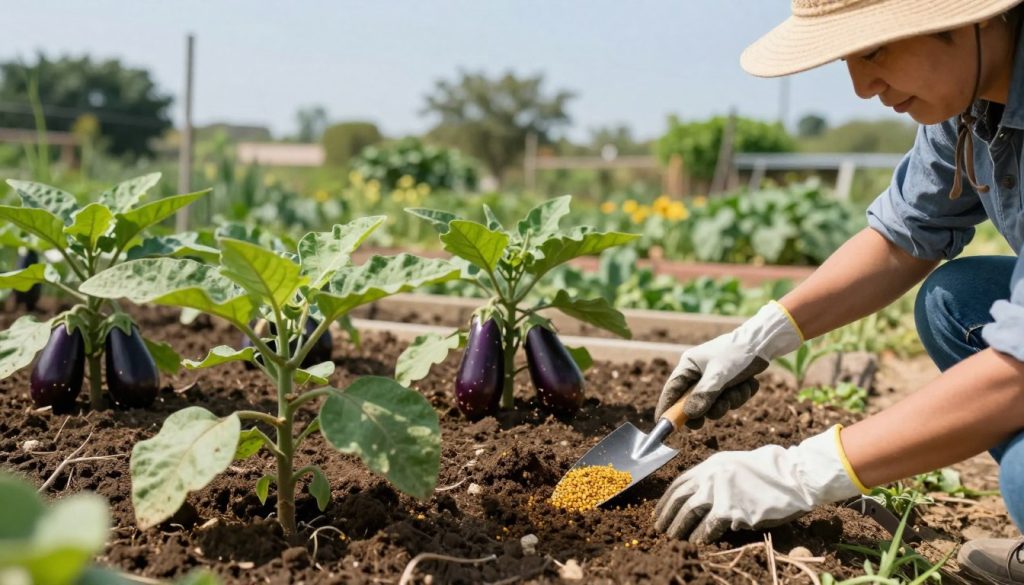
Sidedressing works well for long-term uptake. I place granular fertilizer in a narrow band near the roots and lightly work it into the soil. That reduces splash during heavy water and helps roots take up nutrients steadily.
My practical tips:
- I use a drip system to feed liquid fertilizer directly to the roots and avoid wet leaves that invite diseases.
- When I apply granular mixes, I mix in compost or aged manure to slow release and improve soil structure.
- I check temperatures and spray only when cool; I repeat light foliar feeds every few weeks during peak growth and flowering.
Mixing methods — foliar, sidedress, and drip — gives eggplants a steady supply of phosphorus and potassium when they need a boost. This balanced approach protects fruits and supports steady growth without overloading nitrogen.
How Does Fertilizer for Oats Compare to Fertilizer for Eggplant in Boosting Plant Yield?
When considering plant yield, the best oat fertilizer options available focus on nitrogen content, aiding robust growth. In contrast, fertilizer for eggplant often prioritizes phosphorus and potassium to enhance fruit development. Both types significantly boost yield, but choosing the right formula matters for optimal results in each crop.
Common Mistakes to Avoid During the Growing Season
One season taught me how easy it is to overdo nutrients and hurt harvests. Small errors in feeding or timing changed plant vigor and fruit set fast.
Too much nitrogen makes lush leaves but few fruits. Gail Pabst warns that heavy nitrogen leads to bushy growth and poor fruiting.
Practical checks I use
- I avoid letting fertilizer touch the stem to prevent burning and crop loss.
- I monitor soil moisture and always water after applying fertilizer so nutrients reach the roots.
- I space feeds by several weeks and watch temperatures and plant needs before the next dose.
- I balance nutrients—too many quick-release fertilizers push leaf growth at the expense of fruits.
Takeaway: be cautious with feeding during the growing season. Careful timing, water, and placement protect the crop and support steady growth.
Conclusion
I learned quick gains come from simple, consistent care rather than big changes. Keep the soil healthy, test it early, and match your fertilizer to what the ground actually needs.
I feed and water my plant on a steady schedule so plants do not stall. That steady approach boosts fruit set and keeps eggplants productive.
Watch for common mistakes: avoid too much nitrogen and never let strong food touch stems. Small, careful steps protect your garden and improve results.
I hope these tips help you enjoy more harvests. With consistent attention, your eggplant patch will reward you with healthy fruit all season long.