

Ethan Brooks
Focused on sustainable practices, careful seed selection, and hands-on experience, our family work closely with nature to produce quality harvests while continuously learning and improving each year..
Latest Posts


Archive
Tags
Social Links


Are you ready to dive into the delightful world of Santa Claus melon? This unique fruit, often called the piel de sapo, offers a flavor experience like no other. I’m excited to share my personal journey of learning how to cultivate this sweet treasure right in my backyard.
With its creamy texture and sugary sweetness, this melon has quickly become one of my favorites. From its fascinating Spanish origins to its impressive shelf life, I’ll guide you through everything I’ve discovered about this remarkable fruit.
Join me as I reveal tried-and-true tips for nurturing these melons, ensuring you enjoy their juicy goodness long after harvest. Let’s explore why the Santa Claus melon deserves a spot in your garden this year!
Introduction: What is the Santa Claus Melon?
Discover the intriguing features of the Santa Claus melon. This delightful fruit is a muskmelon cultivar that originally hails from Spain. Known locally as “piel de sapo,” which translates to “toad skin,” this name beautifully captures its mottled green and yellow exterior.
The skin of a mature Santa Claus melon transforms from a vibrant green with gold flecks to a predominantly yellow surface adorned with green speckles. This visual appeal makes it stand out in any garden. When I first examined the skin, I was captivated by its unique pattern.
But the true magic lies within. The flesh of the Santa Claus melon is a creamy, yellow-green color. Its smooth texture is incredibly refreshing, making it perfect for enjoying on a hot summer day. I still remember the first time I bit into one, instantly understanding why this fruit has captured the hearts of many.
In addition to its delightful taste, the Santa Claus melon boasts an impressive shelf life compared to other melons. This means I can savor its signature sweetness long after harvest. The flavor itself is a harmonious blend of the sugary punch of watermelon and the creamy subtlety of honeydew.
As I share this information with fellow gardeners, I notice how Santa Claus melons are gaining popularity across the U.S. Many are discovering the joy of growing and tasting this exceptional fruit. Each melon I harvest has its own unique character, making it a true star of my summer fruit platters.
Whether enjoyed for breakfast, as a snack, or as a light dessert, the Santa Claus melon is versatile and always a crowd-pleaser. I encourage you to consider adding this charming fruit to your garden this year!
How to Grow Santa Claus Melon: Essential Tips
If you’re eager to cultivate your own Santa Claus melons, there are essential tips to consider. Choosing the right location is crucial for success. These plants thrive in warm climates with plenty of sunlight. I always look for a spot that gets at least 6 to 8 hours of direct sunlight each day. This ensures that my melons develop their sweet flavor.
Choosing the Right Location and Climate
When planning where to plant my Claus melons, I make sure there’s enough space for the vines to spread out. These melons are vigorous growers that need room to flourish. Additionally, I check the local climate. Santa Claus melons prefer temperatures between 70 to 80 degrees Fahrenheit (21 to 27 C) for optimal growth.
Soil Preparation and Requirements
The soil preparation step is something I never rush. I dig deeply and enrich the bed with organic matter. This is important because the roots of Santa Claus melons can stretch down up to 4 feet. I also test my soil pH before planting, aiming for a range between 6.0 and 6.8. This makes a huge difference in nutrient absorption.
Planting Techniques and Timing
Timing is everything when I plant my Santa Claus melons. I wait until after the last frost date when soil temperatures have warmed to at least 70 to 80 degrees Fahrenheit. I sow my seeds about 1 inch deep and space them 24 to 36 inches apart on raised mounds. This helps with drainage and gives each plant the room it needs to thrive.
In cooler regions, starting seeds indoors 4 to 6 weeks before the last frost and hardening off the seedlings for about 7 days has been a game-changer for my melon harvest. The germination process typically takes 10 to 14 days under warm conditions. I always get excited when I see those first little sprouts pushing through the soil.
I’ve discovered that growing Santa Claus melons on mounds not only improves drainage but also helps the soil warm up faster in spring. This gives my plants a strong head start. Getting these basics right sets you up for a bountiful melon season.
Santa Claus Melon Care: Watering, Fertilizing, and Pruning
Maintaining healthy Santa Claus melons requires a thoughtful approach to care. Proper watering, fertilizing, and pruning are essential for ensuring that these fruits thrive. With a few simple strategies, I’ve learned to nurture my plants effectively.
Watering Strategies for Consistent Moisture
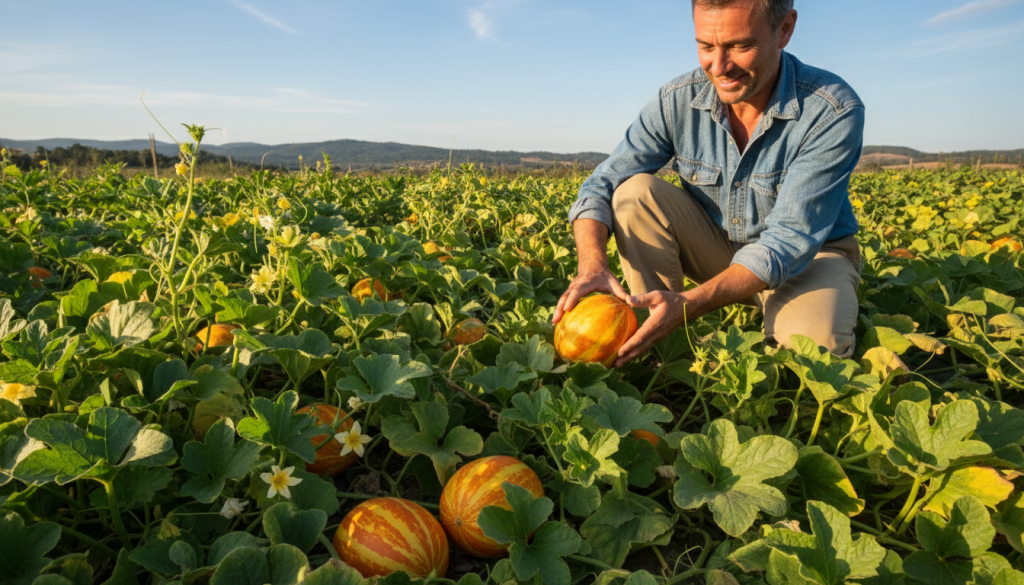
I’ve found that consistent watering is the secret to growing juicy Santa Claus melons. I make it a priority to keep the soil evenly moist throughout the entire growing season. When I water my Claus melon plants, I always direct the water at the base of the plant rather than overhead. Wet foliage is an open invitation to fungal diseases that can ruin my harvest.
I swear by organic mulch around my Santa Claus melon plants. It has been a lifesaver for retaining moisture, keeping weeds at bay, and maintaining stable soil temperatures. During the fruit’s development, I ensure that my plants receive at least 2 inches of water weekly, which is about 1.5 gallons per square foot. This consistent moisture helps prevent stress during critical growth phases.
Fertilizing Schedule for Healthy Growth
My fertilizing routine for Santa Claus melons starts with a balanced fertilizer worked into the soil at planting time. Following that, I feed my plants monthly to keep them vigorous and productive. I’ve learned that nitrogen is most needed during active growth, so I apply about 0.5 to 1 pound of nitrogen per 100 feet of row. Using organic compost as a 2-3 inch layer during soil preparation has also been beneficial.
As the season progresses, I keep an eye on the nutrient levels. Regular feeding ensures that my melons develop a richer flavor and smoother texture. If you want to explore more about fertilizing techniques, check out this resource.
Pruning and Training the Vines
I’ve learned that pruning is not optional if I want healthy Claus melons. Removing excess foliage improves airflow and helps prevent the diseases that can plague crowded vines. One of my favorite tricks is pinching off the tips of the vines to encourage bushier growth. This ultimately leads to more flowers and a better fruit set on my Santa Claus melon plants.
As the season winds down, I pinch off any new growth shoots. This directs all the plant’s energy into ripening the existing melons rather than producing new ones that won’t have time to mature. I often train my Santa Claus melons onto a trellis, which not only saves precious garden space but also keeps the developing fruit off the ground and away from soil-borne pests.
The time I invest in proper watering and care pays off when I slice open a perfectly ripe melon with that signature sweet, creamy flesh I’ve come to adore. By focusing on these care strategies, I’ve noticed a significant improvement in the health and flavor of my melons.
Propagation Methods for Expanding Your Melon Garden
Expanding my garden with new plants is always an exciting venture. One of the most rewarding experiences is propagating my own Santa Claus melons. Watching them transition from tiny seeds into sprawling, fruit-laden vines brings immense joy. There are two primary methods for propagation: seed propagation and cutting propagation. Each method has its unique benefits and processes.
Seed Propagation: Starting Indoors and Transplanting
When I start seeds indoors, timing is crucial. I typically sow them about 4 to 6 weeks before the last expected frost. This ensures that my seedlings are strong and ready for outdoor conditions when the weather warms up. I’ve found that germinating Claus melon seeds in a warm, moist environment yields the best results. Under optimal conditions, I usually see sprouts emerging within 7 to 14 days.
The hardening-off process is something I never skip. I gradually introduce my Santa Claus melon seedlings to outdoor conditions over the course of a week. This step helps prevent transplant shock, ensuring that my plants adapt well to their new environment.
Cutting Propagation: Quick Rooting Techniques
In addition to seeds, I’ve also experimented with cutting propagation. This method allows me to clone my healthiest plants and expand my melon patch quickly. For cuttings, I select vigorous stems about 4 to 6 inches long, ensuring they are free from any signs of disease or pest damage.
My go-to rooting medium for Claus melon cuttings is a blend of peat and perlite. This mix provides the perfect balance of moisture retention and drainage for developing roots. I keep my cuttings in a warm, humid environment and check them daily. It’s always thrilling to see those first white roots emerging from the stem.
Using a container with good drainage is essential for both seed starting and cutting propagation. I’ve learned that soggy conditions are detrimental to healthy Santa Claus melon roots. Whether I’m working with seeds or cuttings, propagating melons is a wonderful way to share plants with friends and ensure I always have a steady supply of these delicious fruits.
| Propagation Method | Steps Involved | Time to Germination/Rooting |
|---|---|---|
| Seed Propagation | Sow seeds indoors, harden off seedlings, transplant outdoors | 7-14 days |
| Cutting Propagation | Select stems, prepare rooting medium, maintain humidity | Varies, typically within a few weeks |
Lifecycle and Growth Stages of Santa Claus Melon
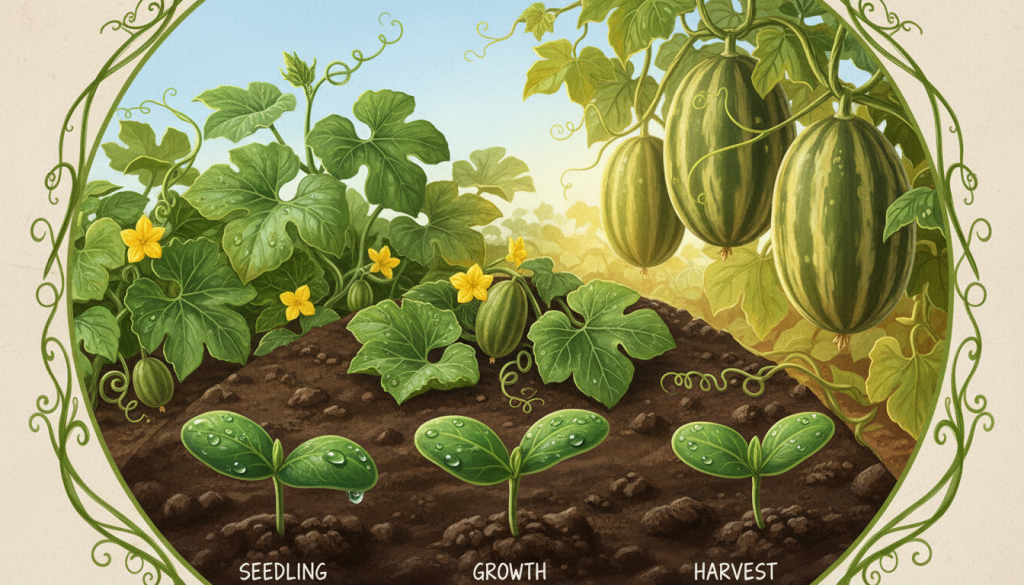
Tracking the growth stages of my Santa Claus melons is a fascinating journey. This annual plant completes its lifecycle in a single growing season, and I love observing each phase unfold. The germination stage fills me with anticipation—within 7 to 14 days of planting, those tiny green shoots begin to emerge, signaling the start of something delicious.
Germination and Seedling Development
About 2 to 3 weeks after germination, my Claus melon seedlings develop their first true leaves. This transition marks their evolution from fragile sprouts into robust young plants. It’s a thrilling sight that keeps me motivated in my gardening efforts.
Vegetative Growth and Flowering
The vegetative growth phase kicks in around 4 to 6 weeks after germination. I’m always amazed at how quickly the vines expand and fill their allotted garden space. Flowering occurs approximately 60 to 70 days after planting. Successful pollination at this stage is crucial, as it directly influences my fruit yield.
Fruit Development and Time to Maturity
The time between flowering and fruit set is critical for Santa Claus melons. I ensure that pollinators have easy access to my garden during this period. From planting to full maturity, I expect my melons to be ready for harvest in about 80 to 90 days. Each Santa Claus melon swells to its mature size of 12 to 18 inches in length, showcasing the fruits of my labor.
I’ve observed that Claus melons have a moderate to fast growth rate, making them a rewarding choice for gardeners who don’t want to wait an entire season for results. Understanding this lifecycle has helped me plan my garden better and anticipate each stage of growth. This ensures I provide the right care at the right time for my Santa Claus melon plants.
| Growth Stage | Duration | Key Events |
|---|---|---|
| Germination | 7-14 days | Seed sprouts emerge |
| Seedling Development | 2-3 weeks | True leaves develop |
| Vegetative Growth | 4-6 weeks | Vines expand rapidly |
| Flowering | 60-70 days | Pollination occurs |
| Fruit Development | 80-90 days | Melons reach maturity |
Common Problems and Pest Management
Every gardener faces challenges, and I’ve certainly had my share while tending to my Santa Claus melons. Understanding these issues is crucial for a successful harvest. Early detection can prevent minor problems from spiraling out of control.
When I notice yellowing leaves or wilting on my Claus melon vines, I immediately check the soil moisture. Overwatering and underwatering are common culprits that I’ve dealt with. If the soil is soggy, I allow it to dry and improve drainage. Conversely, if the soil is too dry, I increase my watering frequency.
I’ve found that Santa Claus melons are particularly sensitive to light conditions. If my plants aren’t getting a full 6 to 8 hours of direct sun, the growth becomes weak, and fruit production drops dramatically. Low temperatures can also stunt my melon plants and delay fruiting. Therefore, I always make sure to plant only after the weather has settled into a consistently warm pattern.
Identifying and Solving Growth Issues
Common growth issues include:
- Yellowing leaves: Check for overwatering or nutrient deficiencies.
- Wilting: Adjust watering habits to ensure consistent moisture.
- Stunted growth: Ensure adequate light and appropriate temperatures.
Controlling Pests: Spider Mites, Aphids, and More
Spider mites, aphids, and whiteflies have all tried to make a meal of my Santa Claus melon plants. I’ve become vigilant about checking the undersides of leaves for webbing and sticky residue. My preferred organic treatments for pests on Claus melons include:
- Neem oil: Effective against various pests.
- Insecticidal soap: A safe option for controlling infestations.
- Beneficial insects: Introducing ladybugs can help keep pest populations in check.
When I need to use a stronger insecticide, I apply pyrethrin-based products at dusk to protect the honeybees that visit my garden during the day.
Dealing with Animal Visitors and Protection Methods
Animal visitors like deer, rabbits, and squirrels have occasionally helped themselves to my ripening fruit. I’ve learned to look for tracks and droppings as early warning signs. To protect my developing Santa Claus melons, I cover them with clear containers like milk jugs with the bottoms cut out. This allows light in while keeping curious critters at bay.
Fencing and companion planting with marigolds and nasturtiums have become essential parts of my pest management strategy. These methods help keep my melon patch safe and productive.
| Problem | Symptoms | Solutions |
|---|---|---|
| Overwatering | Soggy soil, yellowing leaves | Allow soil to dry, improve drainage |
| Underwatering | Drooping leaves | Increase watering frequency |
| Insufficient light | Weak growth, fewer fruits | Ensure 6-8 hours of full sun |
| Low temperatures | Stunted growth, delayed fruiting | Plant after warm weather settles |
| Pests | Webbing, sticky residue | Use neem oil, insecticidal soap |
Safety and Edibility of Santa Claus Melon
Let’s explore the safety and nutritional aspects of the Santa Claus melon. I’m happy to share that this fruit is completely safe for human consumption. I’ve never had any concerns about toxicity when enjoying it fresh from my garden.
Toxicity Concerns for Humans
The flesh of this claus melon is where all the magic happens. It’s sweet, juicy, and packed with vitamins A and C. This makes it a nutritious choice I feel good about eating and sharing with my family.
I always discard the skin of the Santa Claus melon because it’s tough and not particularly pleasant to eat. However, the seeds inside are perfectly edible and add a nice crunch when I’m feeling adventurous.
In my experience, the only minor issue with this melon is that eating excessive amounts might cause mild digestive discomfort. But that’s true of many fruits and easily avoided with moderation.
Pet Safety: Dogs and Cats
When it comes to my pets, I’ve researched extensively and found that Santa Claus melons are not listed as toxic to dogs or cats by any major poison control center. I still keep my melon plants and harvested fruit out of reach of my curious pets. Too much of this sweet treat could potentially cause mild gastrointestinal upset in animals.
Edible Parts and Nutritional Benefits
I love that this fruit is low in calories yet incredibly hydrating. It makes for my go-to snack during the hot summer months when I need something refreshing and light. The nutritional benefits of this melon continue to impress me. The antioxidants support skin health, and the high water content helps with hydration on multiple levels.
I often share slices of Santa Claus melon with friends and neighbors, confident that I’m offering them something both safe and exceptionally delicious. Whether I’m enjoying the flesh fresh, blending it into smoothies, or adding it to fruit salads, I appreciate that this melon is a wholesome, natural food with no toxicity concerns to worry about.
Conclusion
Reflecting on my journey with the Claus melon has truly been a highlight of my gardening adventures. This delightful fruit has secured a permanent place in my garden rotation. I’m already planning next season’s layout to include even more of these magnificent vines.
I’ve learned that the Santa Claus melon is more than just a fruit; it’s a conversation starter and a culinary delight. Each time I slice into that creamy, sweet flesh, I’m reminded of why I fell in love with cultivating melons.
The versatility of this melon in the kitchen continues to inspire me, from fresh slices to creative salads. I encourage every gardener, whether new or experienced, to give these melons a try. The satisfaction of growing your own is unmatched.
As the season wraps up, the memories of summer harvests linger long after the last fruit has been enjoyed. I hope my experiences have given you the confidence to plant your own Claus melon patch and enjoy the joy of harvesting these incredible fruits.
Here’s to your very own sweet harvest for years to come!