

Ethan Brooks
Focused on sustainable practices, careful seed selection, and hands-on experience, our family work closely with nature to produce quality harvests while continuously learning and improving each year..
Latest Posts


Archive
Tags
Social Links
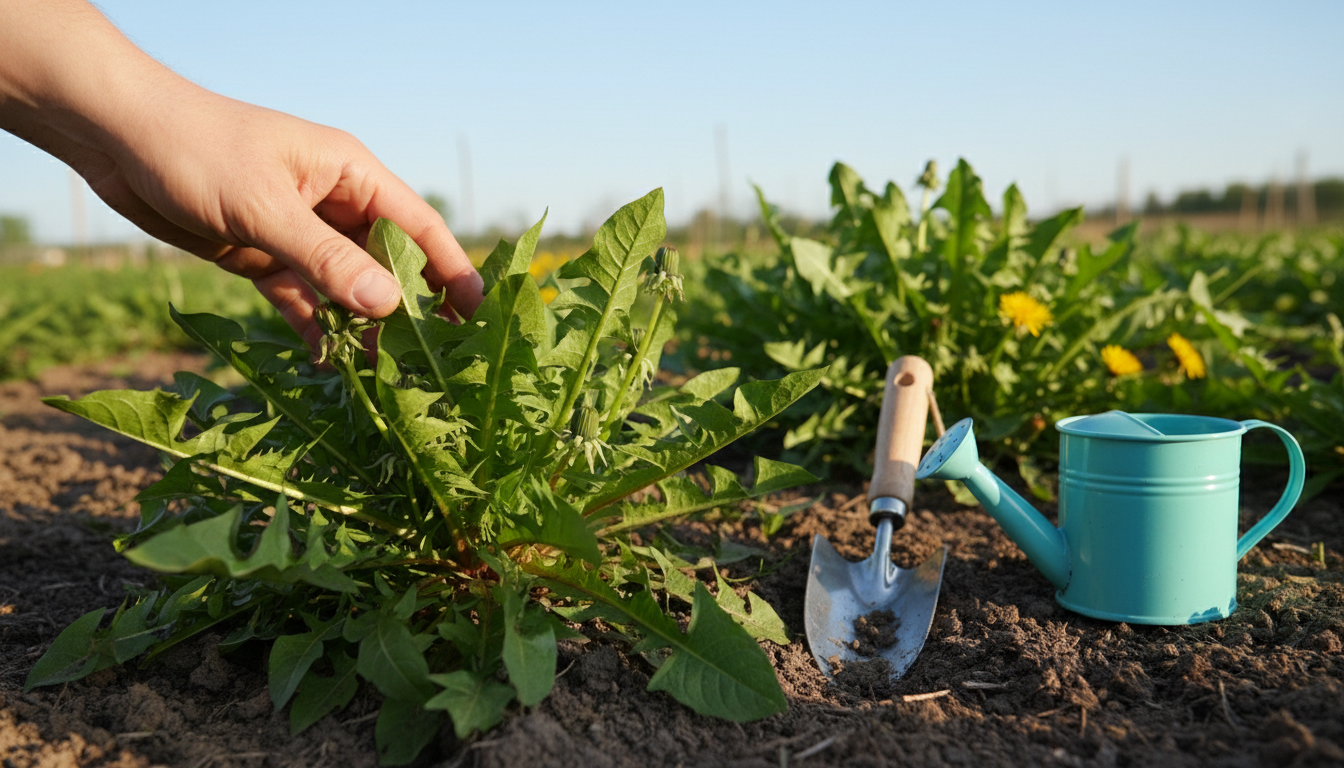

Welcome to my journey into the world of dandelion greens! You might think these vibrant plants are just pesky weeds, but they are actually a nutritional powerhouse. I promise, cultivating them at home is easier than you imagine.
In this guide, I’ll share everything from understanding what dandelions truly are to harvesting their delicious leaves and roots. You’ll learn how simple it is to start growing these greens, even if you’re a complete beginner.
By the end, you’ll be ready to embrace dandelions in your garden, whether in a pot on your balcony or a dedicated garden space. Let’s change the way you see these bright yellow flowers forever!
Key Takeaways
- Dandelions are nutritious and easy to grow.
- They can thrive in various gardening spaces.
- Harvesting techniques are simple and rewarding.
- Understanding soil and sunlight needs is essential.
- These greens can enhance your meals.
Introduction to Dandelion Greens: Benefits and Why Grow Them
I once viewed dandelions as just garden nuisances, but their health benefits are impressive. These vibrant plants are more than just weeds; they are a nutritional powerhouse. A single cup of chopped dandelion (about 55 grams) provides nearly 2 grams of fiber, over 100 grams of calcium, and a significant amount of iron and potassium. This makes them a true superfood!
People have relied on dandelions for their nutritional value for centuries. Historically, these greens were used to prevent scurvy due to their high vitamin C content. It’s fascinating to think that dandelions were intentionally brought to America as a food crop. They were cherished for their health benefits and versatility.
When I grow dandelion greens myself, I enjoy peace of mind knowing that my food is free from pesticides and contaminants. Foraging can be risky; wild dandelions may be exposed to harmful substances like fuel emissions or animal waste. By cultivating them at home, I can ensure they are safe and healthy.
Another wonderful aspect of dandelions is that every part is edible. From the roots to the leaves and even the bright yellow flowers, nothing goes to waste. This is not only economical but also an empowering way to reclaim a plant that has been unfairly demonized.
Whether you’re looking to boost your nutrient intake, save money on store-bought greens, or simply try something new, dandelions are a rewarding choice. I’ve found that home-grown dandelion greens taste much fresher and milder than foraged ones, especially when I control the growing conditions.
Once you understand the benefits, I’m confident you’ll see dandelions not as a nuisance but as a valuable addition to your garden and your plate.
| Nutrient | Amount per 1 cup (55g) |
|---|---|
| Fiber | 2 grams |
| Calcium | 103 mg |
| Iron | 1.7 mg |
| Potassium | 218 mg |
| Vitamin A | Good source |
| Vitamin C | Good source |
| Carotene | Good source |
Understanding Dandelions: Nature, Growth Habits, and Importance for Pollinators
The common dandelion is a remarkable plant that offers much more than meets the eye. These hardy perennials belong to the Asteraceae family and thrive in various environments. I’m always amazed by their resilience, as they can flourish in USDA Zones 3 through 10, from lowlands to elevations over 8,000 feet.
One fascinating aspect of dandelions is their deep taproot. This root can penetrate 6 to 18 inches into the soil, breaking up compacted earth and bringing nutrients to the surface. It’s incredible how these plants can aerate hard clay soil, making it more hospitable for other plants.
Did you know that a single dandelion plant can produce up to 20,000 viable seeds? This ability explains why they spread so easily across lawns and yards. If you’re trying to remove them, be aware that dandelions can regenerate from root segments as short as 1 inch. So, if you want to keep them at bay, it’s crucial to get every bit of that taproot.
In early spring, those bright yellow flowers are among the first food sources available for bees and beneficial insects. They provide essential pollen and nectar when little else is blooming. However, it’s important to note that while dandelions help pollinators, they serve more as a quick snack than a full meal. Bees thrive best with a diverse mix of flowers, especially native plants.
I love watching the bright yellow flowers transform into fluffy seed heads. Hummingbirds often use this fluff to line their nests, adding another layer of biodiversity to my garden. Understanding how dandelions grow has helped me appreciate their role in the ecosystem rather than just seeing them as invaders in my lawn.
These plants are incredibly versatile and low-maintenance. They can tolerate wet, compacted, poor, and dry soils, making them a great addition to any garden. Every time I see those cheerful yellow flowers in my yard, I’m reminded that dandelions are not just survivors; they’re valuable contributors to a healthy garden ecosystem.
How to Grow Dandelion Greens: From Seed to Plant
The path to cultivating dandelions starts with choosing the best seeds and knowing how to plant them. Understanding the right techniques will help ensure a successful growing experience. Let’s dive into the essential steps for getting your dandelion seeds ready for germination.
Choosing and Preparing Seeds for Germination
When I first started growing dandelions, I was surprised to learn that dandelion seeds need light to germinate. This means I only cover them with about 1/8 of an inch of soil — just a light dusting. Keeping the seeds consistently moist is crucial during those first 10 to 14 days while waiting for germination.
I always make sure the soil temperature is between 50 and 70°F before sowing, as this is the sweet spot for reliable germination. Starting seeds indoors about four to six weeks before the last frost date is a great strategy. I fill deep trays or pots with at least six inches of moist potting soil and space the seeds about one and a half inches apart.
Planting Techniques and Timing
When I sow indoors, I place the trays in a warm, sunny spot, ensuring the medium stays moist but never waterlogged. I’ve found that seeds germinate anywhere from seven to 21 days, so patience is key — those little green sprouts are worth the wait.
Once my seedlings reach three to four inches tall and outdoor soil temperatures hit at least 50°F, I know it’s time to transplant them into the garden. If I’m sowing directly outdoors, I wait until after the last hard frost in early spring. I space the seeds six to 12 inches apart or closer at three inches if I want tender baby greens.
It’s essential to remember that the surface of the soil is where the magic happens. Burying dandelion seeds too deep is one of the most common mistakes beginners make. Growing dandelions from seed is honestly one of the easiest gardening projects I’ve ever tackled, making it perfect for anyone just getting started with edible plants.
| Action | Details |
|---|---|
| Seed Depth | 1/8 inch |
| Soil Temperature | 50 – 70°F |
| Germination Time | 10 – 14 days |
| Indoor Start | 4 – 6 weeks before last frost |
| Spacing Indoors | 1.5 inches apart |
| Transplant Height | 3 – 4 inches |
| Outdoor Planting | After last hard frost |
| Outdoor Spacing | 6 – 12 inches apart |
Ideal Soil and Sunlight Conditions for Healthy Growth
Creating the perfect environment for your plants is essential for successful cultivation. The right soil and sunlight conditions play a significant role in the health and flavor of your harvest. I’ve learned that dandelions thrive best when given the proper care, especially regarding soil quality and sunlight exposure.
Soil Types and Amendments for Easy Harvesting
I’ve discovered that while dandelions grow just about anywhere, the quality of your soil makes a huge difference in how easy it is to harvest those long taproots later. For the best results, I aim for slightly acidic soil with a pH between 6.2 and 6.8, though dandelions are forgiving and can handle a range from 6.0 to 8.5.
I learned the hard way that clay soil makes pulling up dandelion roots nearly impossible, so now I always plant in loose, loamy soil — a raised bed works wonders for this. When I want to harvest roots, I make sure the ground is rich and well-amended with compost so those taproots can grow deep without resistance.
Here’s a quick overview of soil conditions that work best for dandelions:
| Soil Condition | Details |
|---|---|
| Optimal pH | 6.2 – 6.8 |
| Acceptable pH Range | 6.0 – 8.5 |
| Soil Type | Loose, loamy soil |
| Amendments | Compost for fertility |
| Harvesting Ease | Raised beds recommended |
Sunlight Preferences: Full Sun vs. Partial Shade
I’ve found that full sun is ideal if I’m growing dandelions for their flowers, because the bright yellow blooms open faster and are ready to harvest on sunny days. On the other hand, when my goal is tender, mild greens for salads, I plant in partial shade — the plants grow slower and the leaves stay less bitter for a longer harvest window.
I’ve experimented with both full sun and shade conditions, and I can confidently say that the best greens come from plants that get some relief from intense afternoon sun. Even though dandelions tolerate poor soil, I always add compost to the planting area because fertile soil produces the tastiest, most succulent leaves.
Here’s a summary of sunlight preferences:
| Sunlight Condition | Effect on Growth |
|---|---|
| Full Sun | Faster flower production |
| Partial Shade | Milder greens, longer harvest |
| Intense Afternoon Sun | Can stress plants |
| Overall Adaptability | Can thrive in various light conditions |
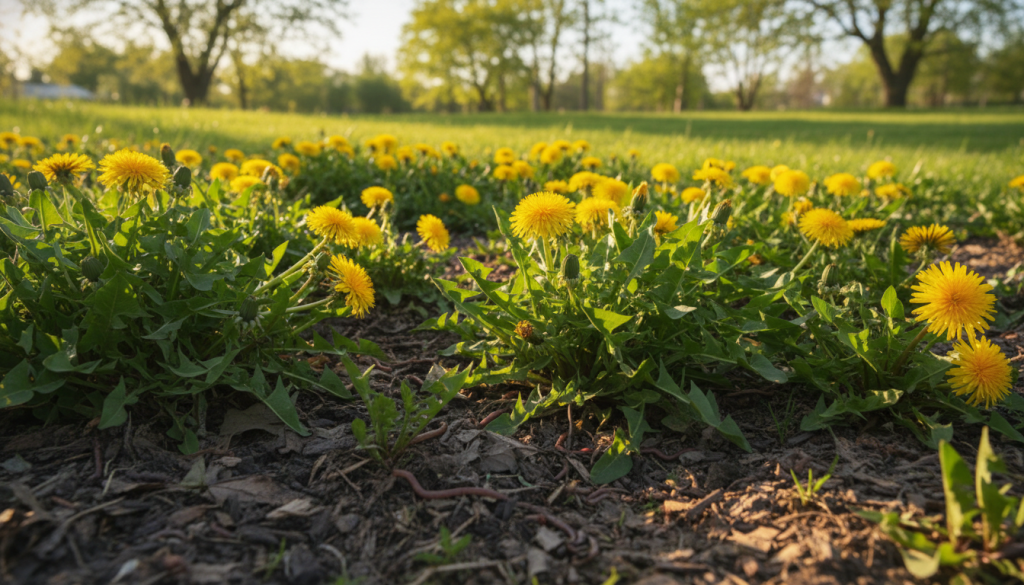
Watering and Maintenance Tips for Lush Dandelion Greens
Proper watering and maintenance are crucial for achieving lush, vibrant dandelion greens. Once established, these resilient plants have long, strong roots that can withstand drought. However, for the best culinary use, it’s essential to keep the soil moist. This not only enhances the flavor but also the succulence of the leaves.
Dandelions can tolerate short periods of waterlogging and drying out. Yet, regular watering is key to producing tender greens that aren’t overly bitter. I’ve found that watering deeply a couple of times a week encourages the taproots to grow strong and deep.
If you’re growing dandelions in containers, keep a close eye on moisture levels. Containers dry out faster than garden soil, so maintaining even moisture is vital. Here are some best practices for watering:
- Water consistently to keep the soil moist, but avoid sogginess.
- Deeply water a few times a week instead of light daily sprinkles.
- For container plants, check moisture daily to prevent drying out.
Another important aspect of maintenance is controlling growth to prevent unwanted spread. Dandelions can quickly take over a yard if left unchecked. To avoid this, I always remove flowers before they can go to seed. This simple action redirects the plant’s energy into producing larger, more harvestable roots.
Here are some tips for controlling growth:
- Check your plants every few days and snip off any flowers.
- Dig up the entire root system when clearing an area to prevent new shoots.
- Use mulch around your dandelion bed to retain moisture and suppress unwanted spread.
With just a little attention to water and flower control, I’ve been able to enjoy abundant harvests without letting dandelions become a nuisance in my garden.
| Action | Details |
|---|---|
| Watering Frequency | 2-3 times a week |
| Soil Moisture | Keep consistently moist, not soggy |
| Container Care | Check moisture daily |
| Flower Control | Remove flowers before they seed |
| Root Management | Dig up roots to prevent regrowth |
| Mulching | Use mulch to retain moisture |
Harvesting Dandelion Greens and Roots: When and How
Understanding the right time for harvesting dandelion greens and roots can elevate your culinary experience. The process is straightforward, and knowing when to pick the leaves and roots ensures the best flavors for your meals.
Picking Leaves for Salads and Cooking
When I want harvest-ready dandelion greens for my salads, I always pick the young, light-colored leaves in spring before the plant starts flowering. That’s when they’re at their most tender and mild.
I’ve learned that once dandelions begin to bloom, the leaves turn noticeably more bitter. So, timing my harvest in early spring is crucial for the best flavor.
I use a sharp knife or scissors to cut the leaves as close to the base of the plant as possible. This encourages new growth for future harvests.
After picking, I store my fresh dandelion greens in the vegetable drawer of the fridge, wrapped in a damp paper towel and kept away from light. They stay fresh for up to three days.
Harvesting Roots for Culinary and Medicinal Use
For the roots, I wait until fall when they’re at their largest and most flavorful. However, you can harvest them anytime the ground isn’t frozen.
I’ve found that harvesting roots from two-year-old plants gives me the best size and flavor, especially if I’m planning to roast them for a coffee substitute.
When the soil is compacted, I water the area deeply the day before harvesting to soften the ground. Then, I use a shovel to carefully dig around the taproot without breaking it.
I wash the harvested roots thoroughly, chop them into one- to two-inch sections, and dry them in my dehydrator at 95°F until they’re brittle.
For a rich, coffee-like beverage, I roast the dried root pieces in a 200°F oven for about four hours, then grind them up. It’s one of my favorite ways to use this versatile plant.
Every part of the dandelion is usable, and I love knowing that nothing goes to waste, whether I’m harvesting leaves for dinner or roots for tea.
Using Dandelion Greens in Your Kitchen: Recipes and Tea
Dandelion greens offer a delightful addition to my kitchen, transforming simple meals into flavorful experiences. These vibrant greens are not just nutritious; they can elevate your dishes in many delicious ways.
I love tossing fresh, young dandelion greens into my salads. Their slightly peppery bite adds a wonderful depth that store-bought lettuce just can’t match. One of my go-to simple salads combines dandelion greens with a lemon vinaigrette, some shaved Parmesan, and a handful of toasted nuts for crunch.
When I’m in the mood for something warm, I sauté the leaves with garlic and olive oil, just like I would with spinach or kale. The heat mellows out any bitterness beautifully, making them a perfect side dish.
I’ve also experimented with using the bright yellow flowers in recipes. Pulling the petals off the bitter stems and sprinkling them over dishes adds a pop of color and mild sweetness.
Making Nutritious Dandelion Tea
Making dandelion tea has become a cherished ritual for me. I steep fresh leaves in hot water for 10 to 15 minutes to enjoy the earthy, nourishing brew. This tea can also be made from the flowers and roots, offering a variety of flavors.
When I prepare tea from the dried roots, I find it has a deeper, roasted flavor that reminds me of coffee but without the caffeine jitters. A word of caution: dandelion is a natural diuretic. If you’re allergic to ragweed, start with just a tiny amount to ensure you don’t have a reaction.
To preserve my harvest, I dry the leaves by bundling them and hanging them upside down in a shaded, airy spot. For the flowers, I use my dehydrator set between 86 and 104°F until they’re crispy. I store all my dried dandelion parts in sealed jars tucked away in a cool, dark cupboard, and they last for months this way.
From fresh salads to soothing tea, I’ve found so many delicious ways to incorporate this humble plant into my daily meals. For more recipes and ideas, check out this easy dandelion-infused recipe.
Common Challenges and Natural Pest Management
Every gardener faces obstacles, and understanding how to handle them is key to success. Dandelions are typically pest and disease resistant, making them easier to manage than many other plants. However, I’ve encountered a few challenges along the way.
Managing Pests Like Rabbits and Slugs
I’ve been fortunate that dandelions are naturally pest and disease resistant, but I have had to deal with the occasional rabbit family treating my garden like an all-you-can-eat buffet. When rabbits discovered my dandelion patch, I installed simple wire screening around the plants. This solution worked well without any chemicals or harm to the animals.
Slugs and snails sometimes show up after a rainy spell. I just head out in the early morning and pick them off by hand — it’s oddly satisfying and keeps my greens pristine.
Preventing Seed Spread and Root Regrowth
The biggest challenge I face isn’t pests but controlling the spread of dandelions themselves. Those fluffy seed heads can turn a tidy garden into a sea of yellow overnight. I make it a non-negotiable habit to deadhead flowers before they transform into puffballs. This prevents thousands of seeds from scattering across my yard and lawn.
When I need to remove dandelions from an area, I wait until the soil is moist and pull by hand. I ensure to extract at least 4 to 5 inches of the taproot from below the surface. I’ve learned that even a one-inch segment of root left in the ground can regenerate into a whole new plant, so thorough removal is essential.
Mulching with at least three inches of wood chips or bark around my garden beds has been a game-changer for suppressing unwanted dandelion growth. I avoid using regular household vinegar as a weed killer because at only 5% acetic acid, it’s simply not strong enough. I prefer non-chemical methods anyway.
For me, managing dandelions is all about balance. I let them thrive where I want them and stay vigilant about removing flowers and roots where I don’t.
| Challenge | Solution |
|---|---|
| Pests (Rabbits) | Wire screening around plants |
| Pests (Slugs/Snails) | Hand-picking in the morning |
| Seed Spread | Deadhead flowers before puffballs form |
| Root Regrowth | Pull roots completely (4-5 inches) |
| Weed Control | Mulch with 3+ inches of wood chips |
| Vinegar Use | Avoid household vinegar; prefer non-chemical methods |
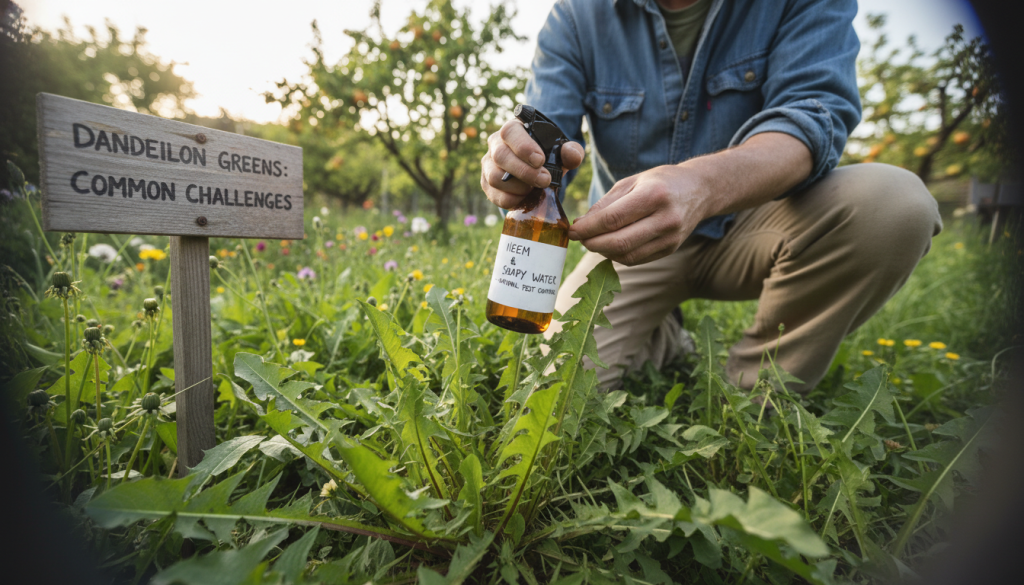
Companion Planting and Biodiversity Benefits of Growing Dandelions
I’ve come to appreciate the unique contributions that dandelions make to my garden ecosystem. These vibrant plants are more than just a source of edible greens; they play a significant role in promoting biodiversity.
Dandelions attract a variety of beneficial insects such as lacewings, ladybugs, and bumblebees. These insects help pollinate my other plants and keep pest populations in check. It’s wonderful to see how these little allies can make a big difference in my garden.
The deep taproots of dandelions act like natural tillers. They break up compacted soil and pull nutrients up from deep underground where other plants can’t reach them. This means that when I let dandelions grow near my vegetable beds, the overall health of my soil improves significantly.
I’ve noticed that allowing dandelions to flourish in my yard increases the number of bees and beneficial insects visiting my garden every day. This diversity is essential for a thriving ecosystem.
In my experience, dandelions make excellent companions for mixed leafy greens, beans, clover, and even tomatoes. They coexist without competing aggressively, allowing all plants to thrive together.
However, I do keep dandelions away from my corn and potato patches. These plants don’t pair well together and can stunt each other’s growth.
Even in a small yard or garden area, allowing a few dandelions to flourish can transform a sterile lawn into a mini ecosystem buzzing with life. I love watching the bees work the bright yellow flowers in early spring when few other food sources are available — it feels good to support local pollinators.
Since I started letting dandelions grow in certain areas, the soil in my garden has noticeably improved. Their roots provide aeration and nutrient cycling, making my garden healthier overall.
I’ve found that dandelions fit beautifully into a diverse garden plan, offering benefits that go far beyond just providing edible greens for my kitchen. If you’re looking to create a more resilient and biodiverse garden, I can’t recommend embracing dandelions enough — they’re so much more than just a weed.
Conclusion
Reflecting on my experiences with dandelions, I find it remarkable how a once-ignored plant has become a cherished part of my garden. This guide has shown that cultivating these greens is not only simple but also incredibly rewarding for your health and local ecosystem.
Every time I see those cheerful yellow flowers, I’m reminded that some of the best food comes from the plants we least expect. I encourage you to give dandelions a chance — start small with a pot on your balcony or a dedicated patch in your yard.
The joy of harvesting fresh greens and brewing your own tea is something I want everyone to experience. Once you change your perspective, dandelions transform from a nuisance into a valuable plant that keeps on giving.
Whether you’re a seasoned gardener or just starting out, dandelions thrive with minimal fuss. With the tips I’ve shared, you’ll soon enjoy your own home-grown dandelion greens. So go ahead, plant those seeds, embrace the dandelions, and discover the joy of growing one of nature’s most underappreciated gifts.
For more insights on this versatile ingredient, check out this guide on dandelion greens.